
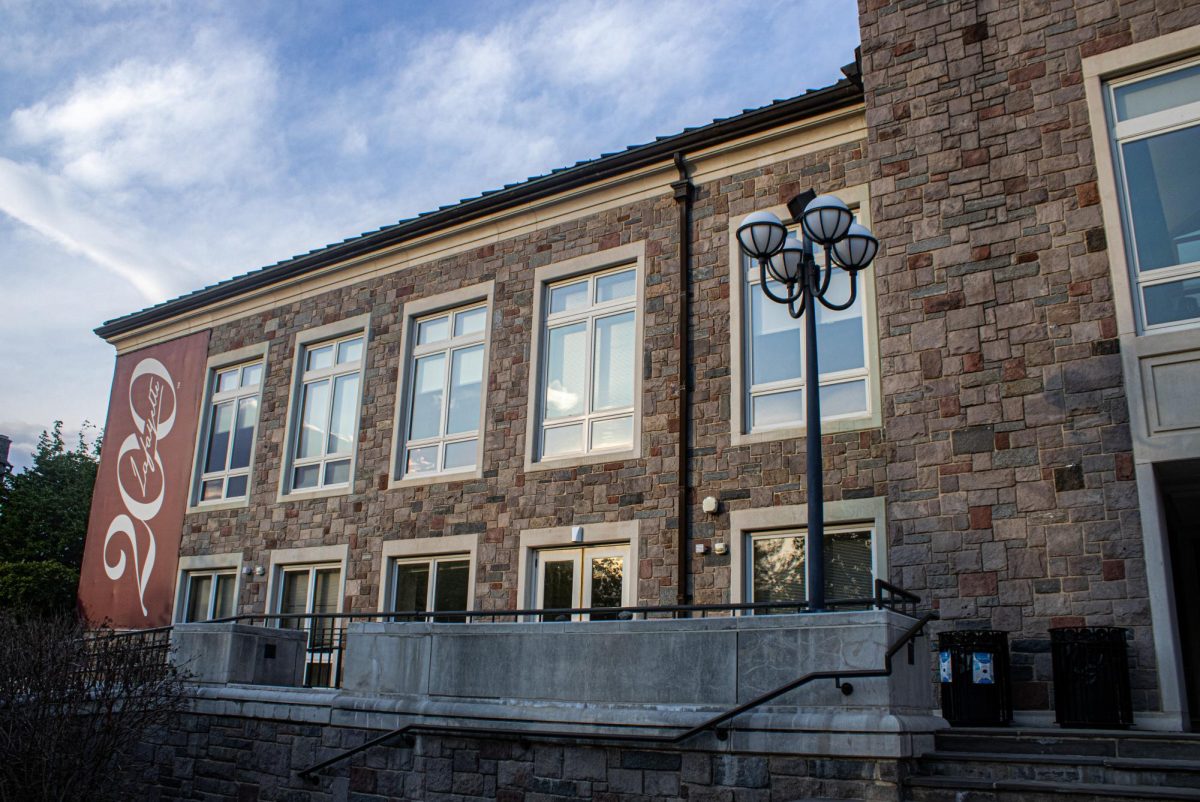



































The German department honored Lafayette College’s special relationship with the language last weekend, just in time for its bicentennial.
“German represents much larger ideas about Lafayette,” said Maurice Luker, who recently retired from directing corporate relations at Lafayette. “It has so much connectivity across the curriculum, and the German program really demonstrated that, and it’s not sort of siloed.”
“Celebrating 200 Years of German at Lafayette” — a full day of lectures — served as an homage to the department’s history at Lafayette, with German being one of three disciplines taught in the college’s first year, according to German professor Dennis Johannssen.
Unusual for an American college, Article X of the Lafayette College charter states, “That there shall be forever maintained in the said College a Professorship of the German Language.”
Johannssen explained that Easton once had a very large German and German-speaking population. Where professors were often English, providing a German curriculum could make the college more approachable for German immigrants of the time.
“I think, in the beginning, it was really a way of making sure that the college is meaningful and accepted by a large part of the population here,” Johannssen said.
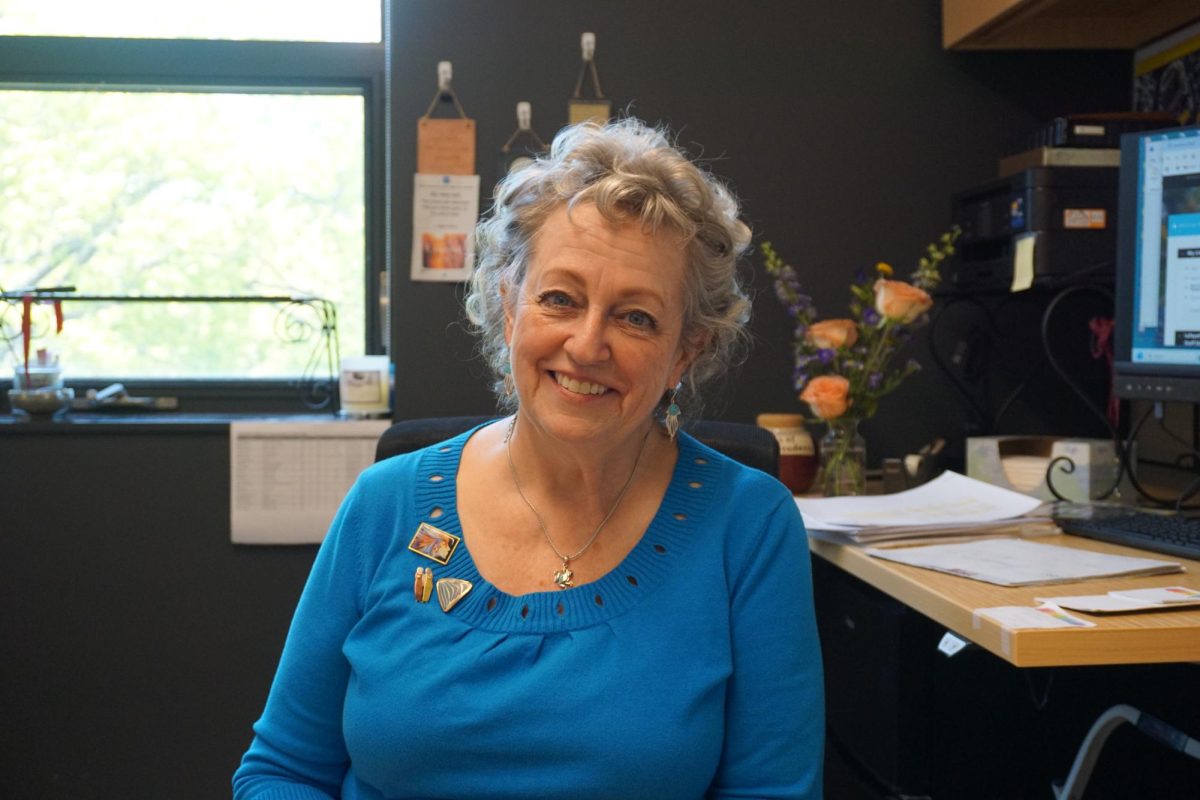
German history is not only isolated to Germany, German professor emerita Margarete Lamb-Faffelberger explained, but includes historical roots in Central Europe, a colonial history, a German Jewish diaspora, Switzerland, Austria and more.
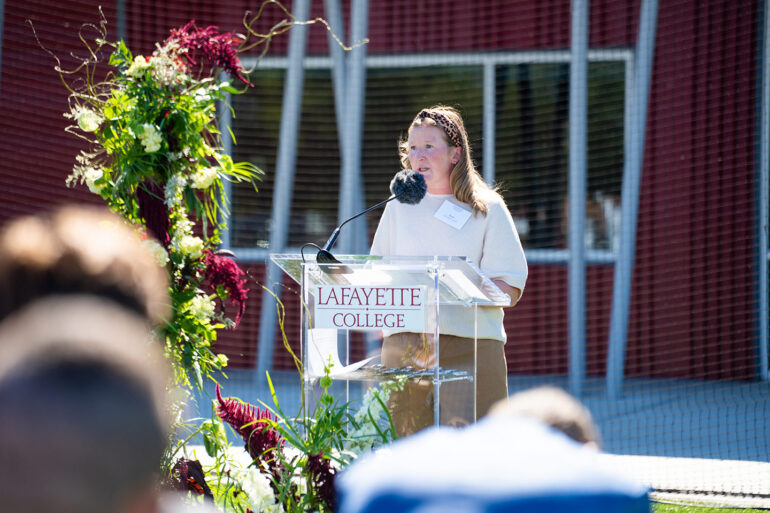
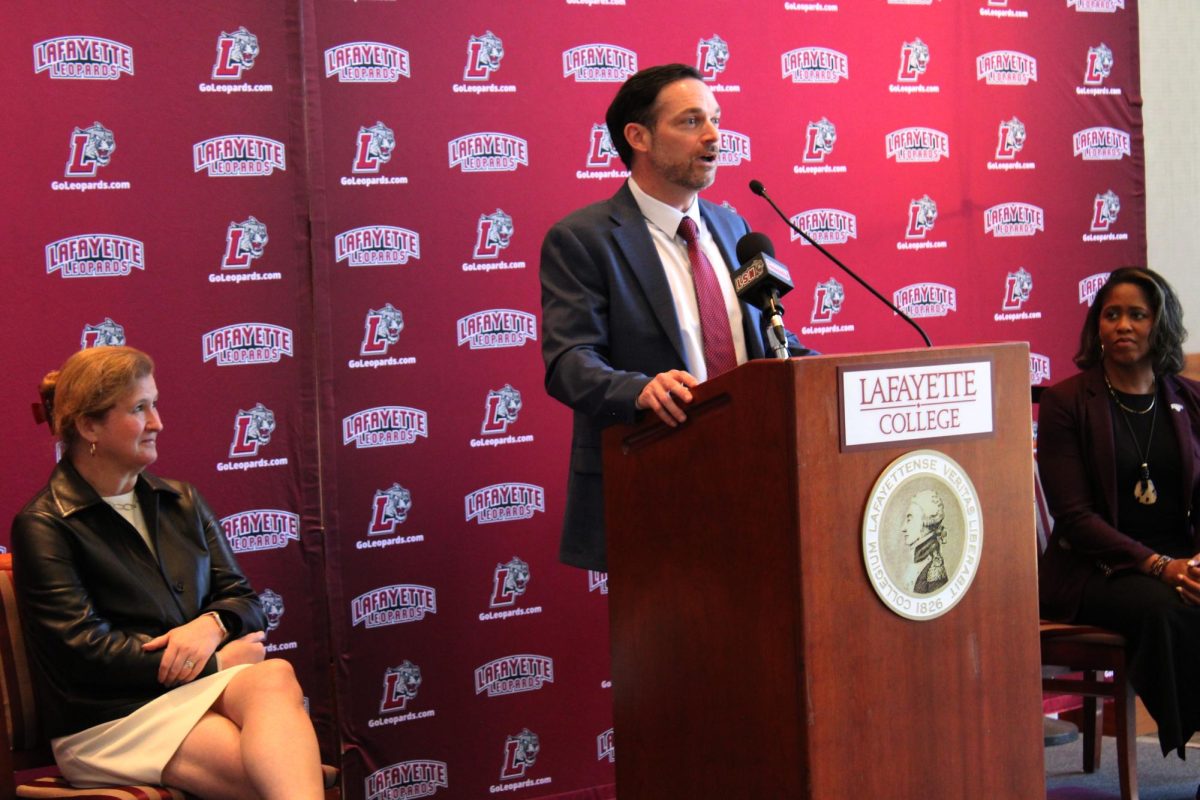
Guest speakers from across the country, including German studies alumni, faculty and students of the department and college President Nicole Hurd participated in the conference.
Speeches ranged from hidden stories of Germanic-Austrian history to personal accounts of Lamb-Faffelberger’s dedication to the German community at Lafayette, with the event also commemorating her 33 years of teaching as she steps down as director of the Max Kade Haus, an off-campus house holding department events.
Luker said Lamb-Faffelberger successfully linked Lafayette to the national Max Kade Foundation, a program that funds and promotes Germanic studies in the United States. The foundation funded renovations for the off-campus Max Kade Haus.
Speaker Wendy Westphal ‘95, a German professor at Marian University and one of Lamb-Faffelberger’s former students, said that the professor “is not just now passing on the torch, she has lit a sea of candles all along the way.”
The Max Kade Haus will continue its current programs, such as hosting writers-in-residence.
“We’re just getting started,” said Johannssen, who will take over as director of the Max Kade Haus. “It’s 200 years, but we still have a lot ahead of us.”
“It’s just such a great program,” said German major and attendee David Broczkowski ‘28. “That’s just the main goal of the classes: it’s not to perform under strict deadlines or to speak perfectly. It’s to understand, just to grow and to learn and to make mistakes.”