
































I believe it is of the utmost importance for Lafayette College to retain its documentary storymaking minor, as it has had a significant impact on my development as an artist, student and professional in the world. In my junior year, I declared a documentary storymaking minor, opening the conversation among the consortium about where the minor would continue to be housed after one of the founding institutions, Muhlenberg College, pulled out of the LVAIC minor. I worked with administration and faculty to pursue a minor that we all felt was deeply important to continue on campus. I fought for months to get it reinstated; only for it to now be withdrawn is a massive blow.
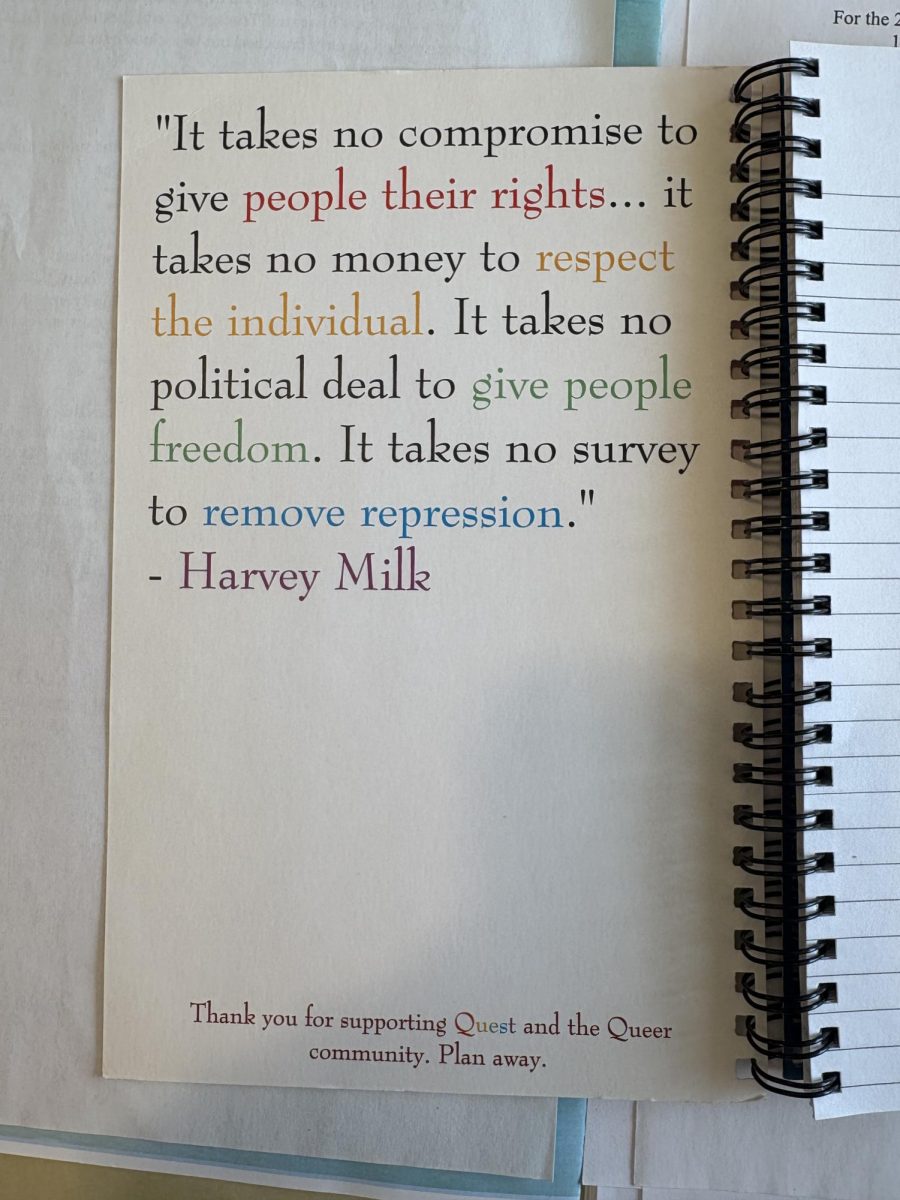
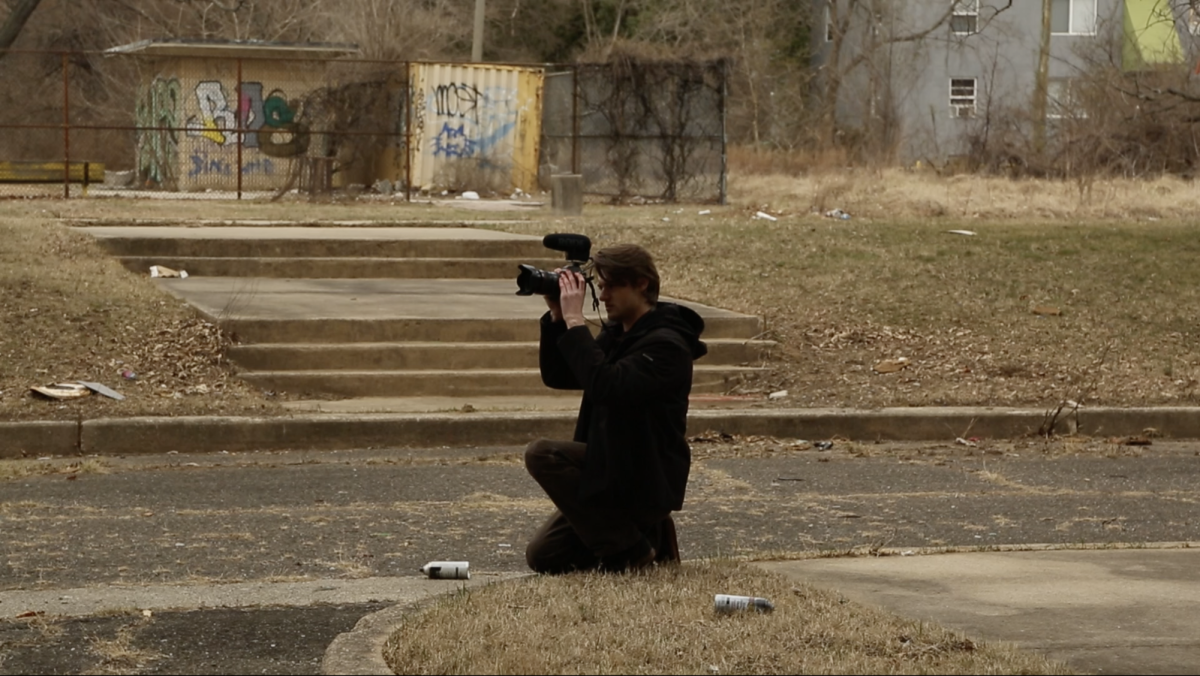
Because of this minor, I have completed two capstone courses in the world of film, which have only deepened my understanding of taking on long-term projects and being a working artist. Because I completed the documentary capstone, I gained knowledge in writing director’s statements and bios, how to engage in rough cut screenings with my peers, how to appropriately and authentically engage with a community whose story I am documenting and give back to my Lafayette community. My documentary capstone was on the queer history of Lafayette College and has been in talks to be added to the Lafayette College Queer Archives Project. This demonstrates to me that the stories I was able to tell because of my documentary storymaking minor are invaluable to the broader campus and community. This project would not be possible without the minor, simple as that.
The documentary storymaking minor also fostered deeper connection with the Lafayette and Easton community through several screenings of topical world discussions and issues. The added benefit of these screenings to connect us to our broader community is invaluable. With the pause of the minor, they have since completely disappeared, with the exception of the queer film series, which is run through a theory-based class.
Because of this interest and experience in documentary, I was hired for an internship with Women Make Movies, an industry-leading fiscal sponsor for female filmmakers. Through this experience, I gained a wealth of knowledge about the film industry, specifically where to apply for grants and which festivals to submit to. My experience with the minor gave me a foot in the door of an incredibly difficult industry to break into.
I say all this out of a deep passion for the impact that the documentary storymaking minor has had on my development and will only continue to do for future students. I believe it is a great threat to our greater arts and Lafayette community to minimize a space that seeks to educate the public at a time when that is significantly needed. I understand and recognize that there are administrative conversations that I am not privy to, and I appreciate the work that has been done to create this conversation. But it is my hope that we are able to preserve this program so that students do not look back in 10 years and see there was a documentary minor, and think, “That would have been such a cool thing to do, why not?”
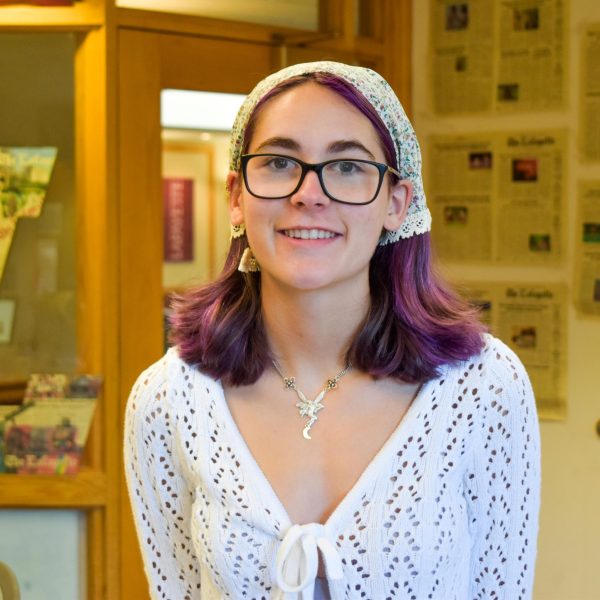
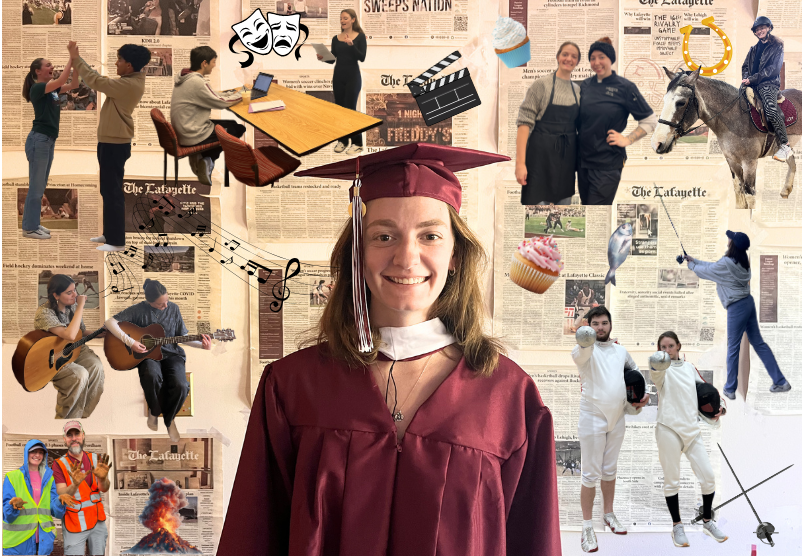
McKenna Graf ’26 is a double major in English and Film and Media Studies, with a minor in documentary storymaking.