
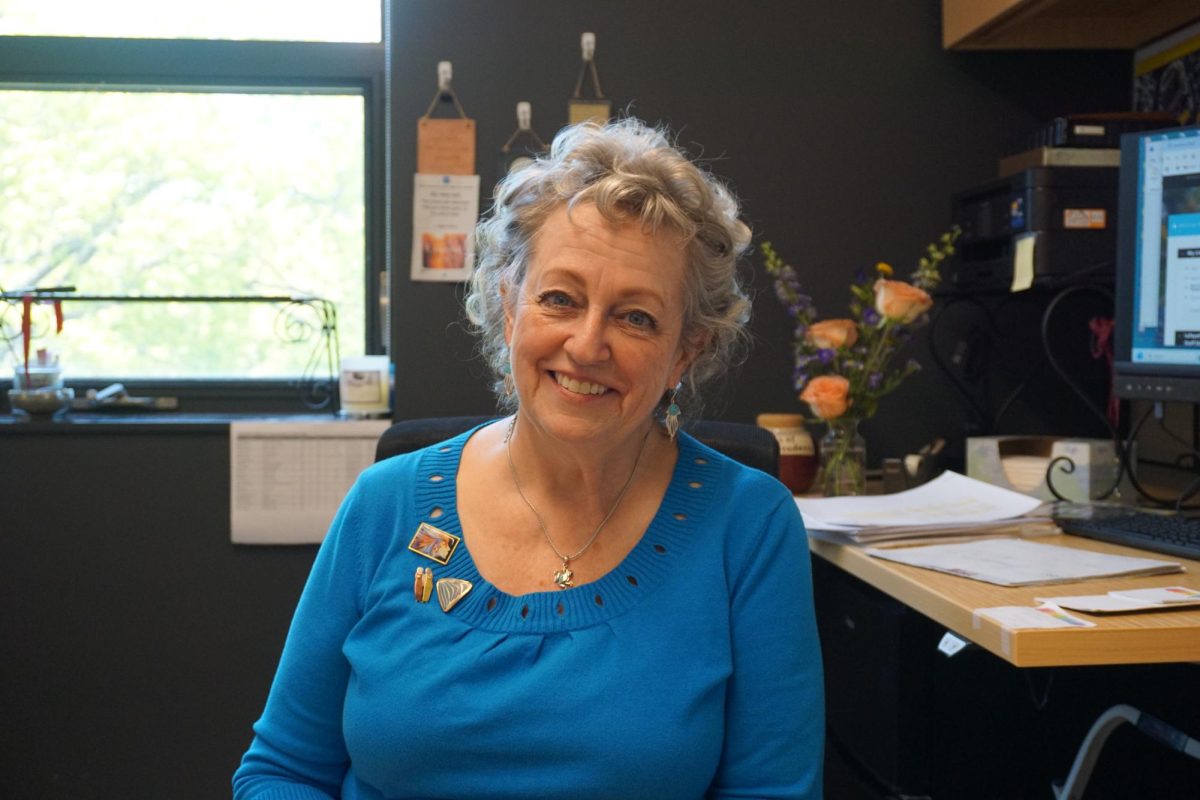







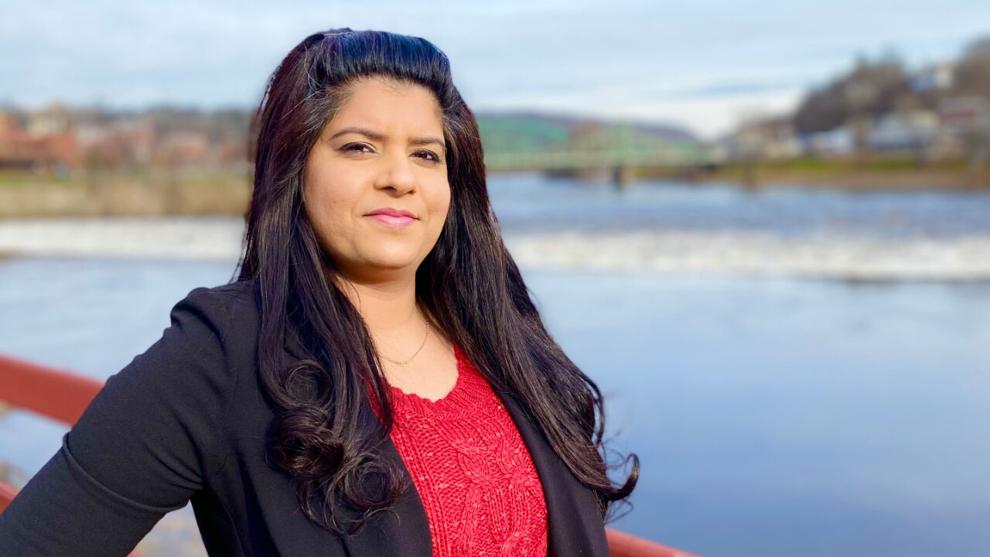
































Last year, environmental journalist Avery Nunn ‘19 was invited by an ocean conservation group to report on a study of the biodiversity of an underwater mountain off the Portuguese coast.
But Nunn was away from her new apartment — and her passport — in California, visiting family across the country in Pennsylvania, where she grew up.
“I had just moved to a new town, and it was all back there, and they’re like, can you be in Portugal in like, a week?” she said.
Naturally, Nunn flew back to California and immediately departed for Portugal, arriving in the middle of the night as the only American in the midst of a bunch of strangers on a Portuguese Navy boat bound for 120 miles offshore.
While the nearly two days out to the site were rocky — huge waves forced Nunn to use her sweatshirt to tie herself to her bed in an attempt to keep still and sleep — the day they arrived was “like, the best day of my life,” she said.
“I just had so much fun just running around this beautiful old sailboat with these top-notch scientists,” she said. “It was just so super amazing.”
The adventure became the story “The Mystery of the Pregnant Rays” in Nautilus, a science magazine, in March.
Nunn is on contract with National Geographic and Scientific American — two of the oldest and most-read magazines in the country — and writes for a variety of other science outlets, including Smithsonian Magazine and Popular Science.
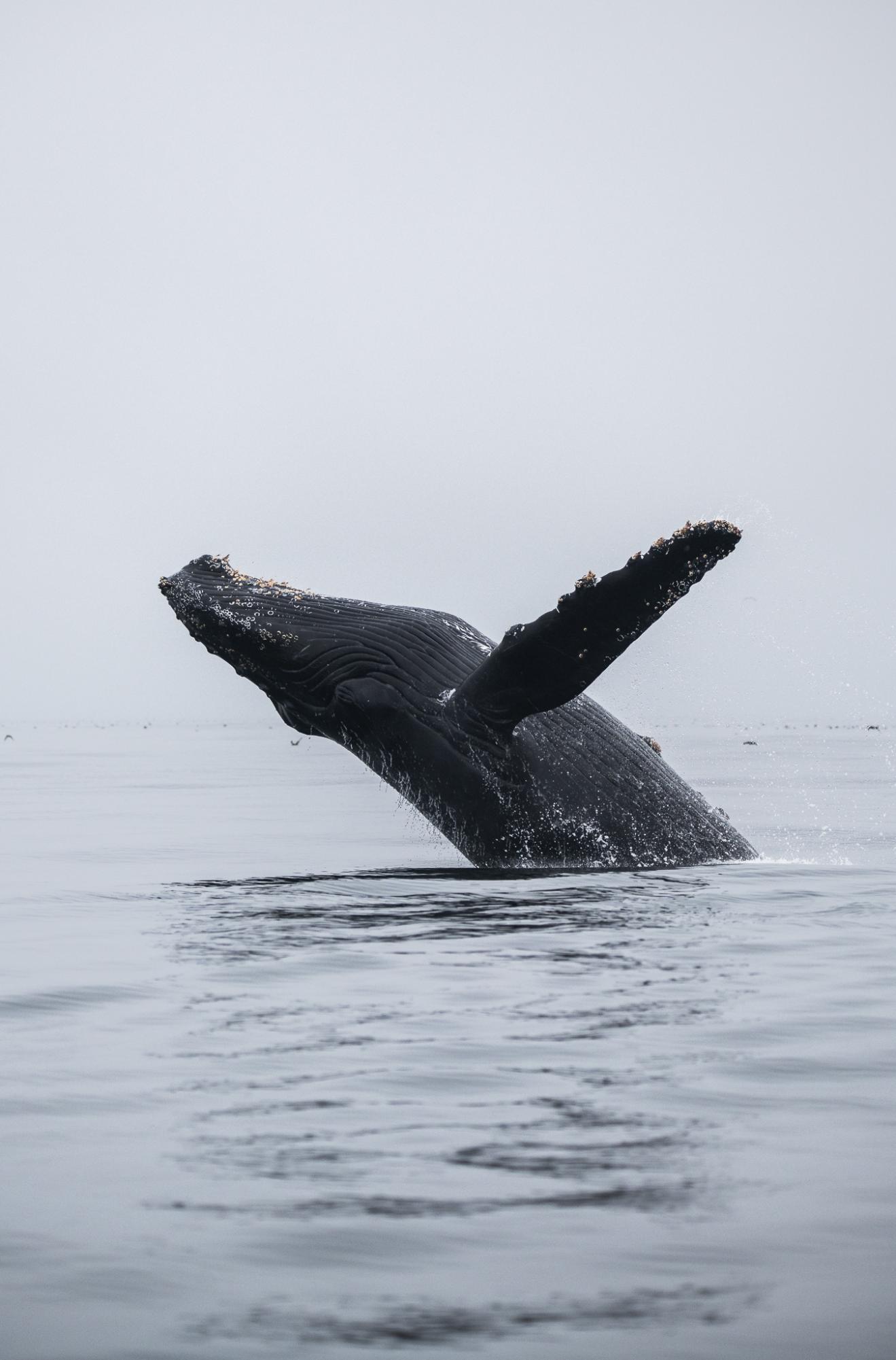
She is drawn to stories with a “narrative style filled with lots of science,” and anything to do with animals, intertwined with poetry and art if she can.
This winter — or rather, summer — Nunn will also be adventuring to the final frontier, Antarctica, to follow penguin research.
“I have no idea what to expect,” she said.
These field opportunities are not usual for her day-to-day freelancing work. Nunn said that when work is slow, she sometimes doubts the career path she’s chosen.
“Then anytime I’m in the field and doing a story and writing about it, I’m like, oh my God, this is the best job ever,” she said.
Nunn cultivated her love of the outdoors, writing and photography growing up in the Philadelphia area and spending summers in Ocean City, New Jersey.
“I am just doing the same things now, which is playing outside barefoot and asking questions and then trying to make some money from it,” she said.
At Lafayette College, Nunn was an English major, but was always interested in science. A senior year geology trip to Ecuador was the “first major shift” in her academic experience that had her questioning her path.
“Avery just gobbled it up,” said geology professor Dave Sunderlin, who remains in touch with Nunn. He described how her field notebook was not just full of notes, but “sketches galore,” dried flowers and smudges of soil.
“She was hard to get out of the water in Ecuador,” he added.
Post-grad, Nunn took a backpacking trip to Patagonia, where she saw a glacier break, prompting her to reflect on all that she had learned about climate change in college.
Inspired to document her experience, Nunn submitted writing and photos to the now-defunct Whalebone magazine, which she described as her first “real” story.
“That was really compelling to me, to be worrying about shifts of places that I grew up loving,” Nunn said.
She went on to Columbia University for a master’s degree in environmental and science journalism, and has covered climate and the environment ever since, through writing and photos.
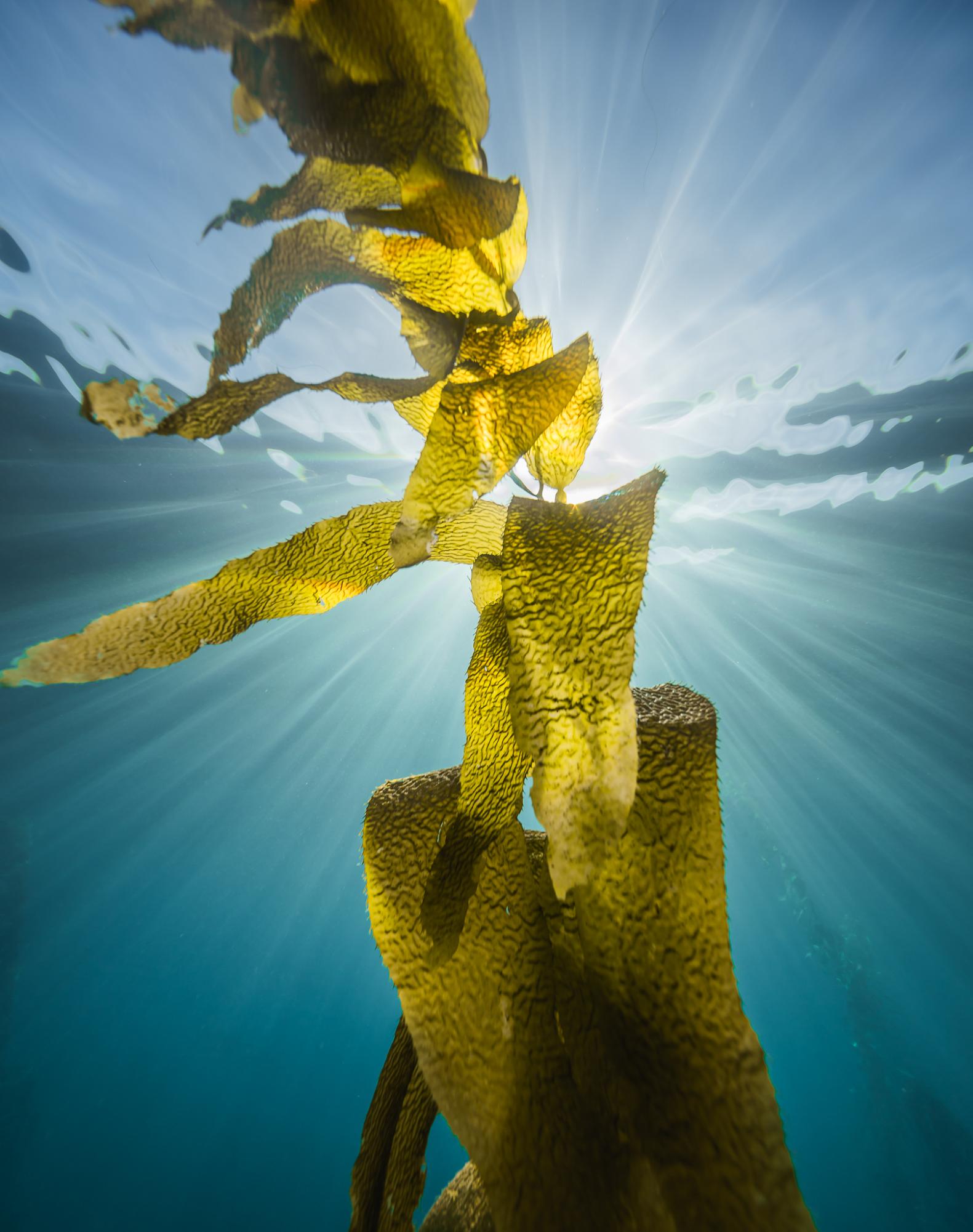
Nunn, 28, now lives on the Central Coast of California, where she is in a prime location to photograph her favorite subject: kelp.
“Sunbeams coming through behind the kelp is my favorite view,” she said.
Less innocuous than kelp is the current culture of distrust in both science and journalism, which Nunn takes into account in her writing.
“People do trust their own emotions, or the awe and love that they feel for things,” she said. “I really just try to write or photograph things in a way that makes people remember the love they have for the place, because that’s the reason I started asking questions about science.”
Nunn explained that she always offers multiple perspectives on the studies she covers, including a scientist external to the project and one with a differing opinion on the findings. She also tries to begin her stories with the “awe and empathy side.”
“I just try to make it filled with adventure and love, because that’s the things that I like reading,” she said. “I think that can bring people a little closer to some science.”
