


























































By Ryan McCormick ’14
Photo by Kate Cherney ’15/ The Lafayette

Rob “Biko” Baker, a nationally recognized hip-hop organizer, journalist, activist, and scholar quickly set the tone for the discussion “Hip-Hop activism in the Obama / Tea Party era,” pronouncing, “in 30 years young blacks will control this country.”
The panel of journalists echoed his sentiments: Elizabeth Mendez Berry, Liz Havstad of The Hip-Hop Caucus, and musical artist Jasiri X. The forum dedicated to discussing today’s social and political issues, ranging from poverty, race, gender, and the current state of the United States obviously tackled extremely controversial problems.
Motivated by the shared desire to narrow the inequality gap, an issue we have seen come to the forefront with the development of the “occupy movement,” the four panelists shared their ideas on how to tackle the norms that have dictated our country. While presenting their opinions in diverse ways, they all shared one similar theme; energize the youth movement, especially minorities.
While rallying around one idea, each panelist approached his or her contributions to the movement differently. For example, Jasiri X, a rare breed of Hip-hop artist focused on social and political issues as opposed to the disheartening fantasies of sex, drugs, and violence prevalent in today’s typical hip hop music. Defying the common stereotypes, JasiriX discussed political issues with great knowledge and insight.
Or consider Baker who had dropped out of UCLA’s graduate school in order to participate in the grassroots movement, a decision that arguably has made him more influential in today’s political world than a masters in history would have.
Then there was the dynamic Mendez Berry who commented, “Our politics are living in the past.”
Focused on the task at hand, the group seemed intent on overthrowing the weighty traditions of politics and ushering in a new phase of government: a system concerned with evolving to meet the needs of the country.
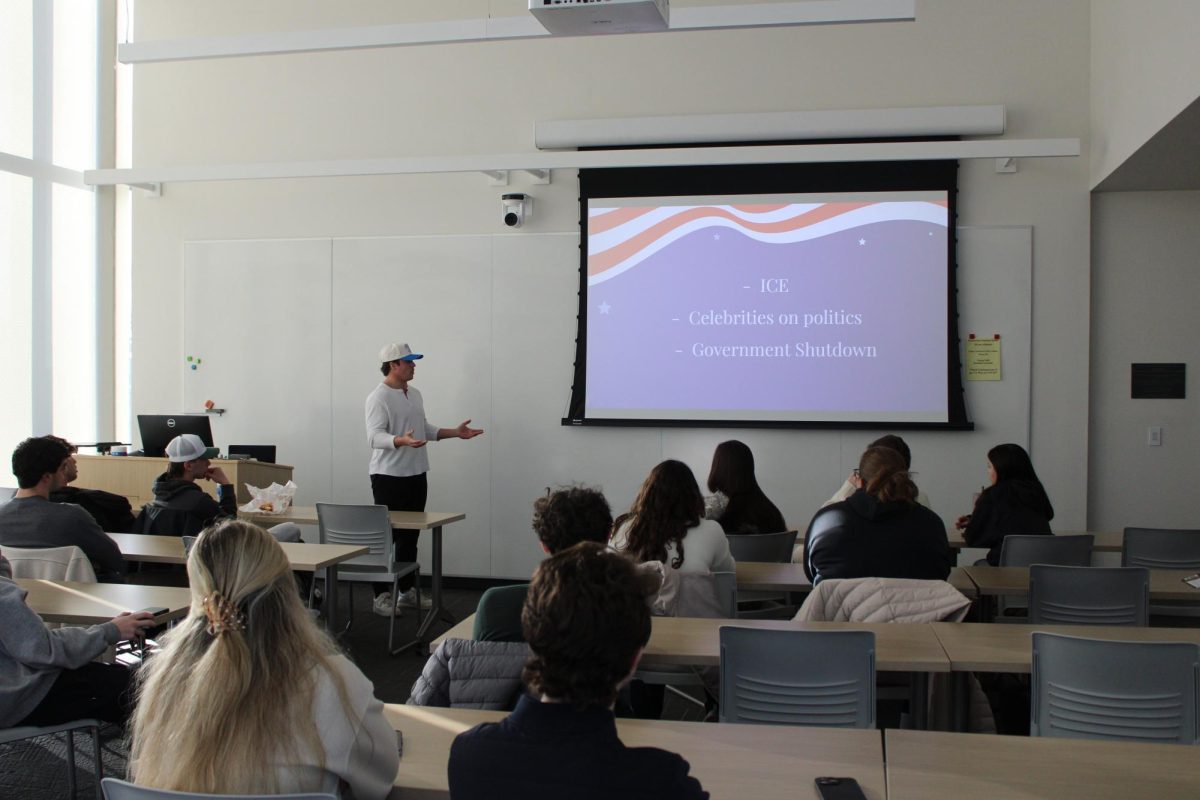
While their comments were met with enthusiasm from the largely minority audience in Kirby Hall of Civil Rights, the panelists generally focused their insight around ideals as opposed to the serious political hurdles that Capitol Hill has come to represent. When asked whether or not they were concerned with compromising the Constitution given their strong advocacy of change and the redistribution of wealth, Baker simply commented, “In the Constitution, African Americans were considered three-fifths of a human.” While the response drew rousing applause from the audience, it failed to address the gravity of the question, centered primarily on the notion that there should be “limited government intervention” and that “happiness” is an opportunity, and not a right, as the panelists seemed to be claiming.
While the discussion was undoubtedly one-sided in terms of political ideology, it did do an excellent job of forcing the Lafayette community to face the problems that are changing the landscape of our country.
As Todd Souders ‘13 added, “It’s great to go a lecture that addresses the issues of today. Sometimes it is easy to forget just how many difficulties we are confronting as a nation.
What the discussion on Hip-hop activism allowed us to do was see the great diversity in public opinion on political issues. Regardless of one’s beliefs, it proved to be very informative. More importantly, it provided a forum for the topics that we need to be discussing, not just at Lafayette, but throughout the country.