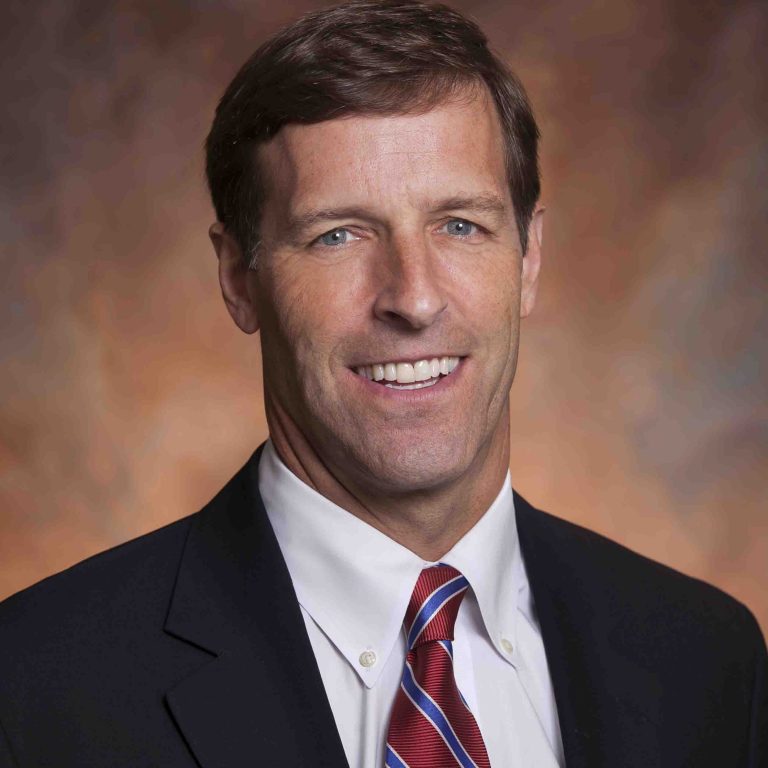























































A Lafayette College Government & Law professor argued that political polarization has made the future of the Supreme Court uncertain in a Constitution Day lecture on Monday.
“The main thing I hope they understand is that in a very complicated situation, we need to know more,” Bruce Murphy said about the attendees of his talk, “Can We Talk About the Roberts Court Constitution?”
“It’s not clear where the court is going yet,” he continued. “The next few years will tell us much more about its trajectory.”
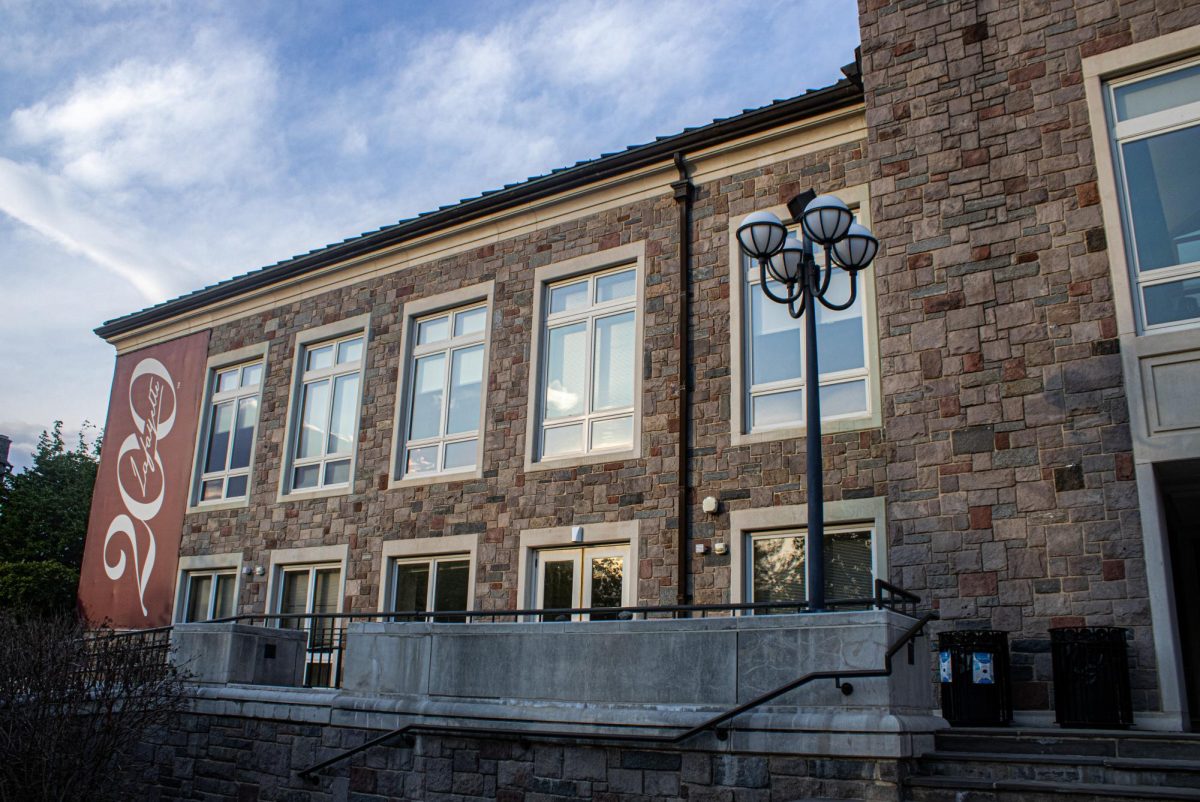
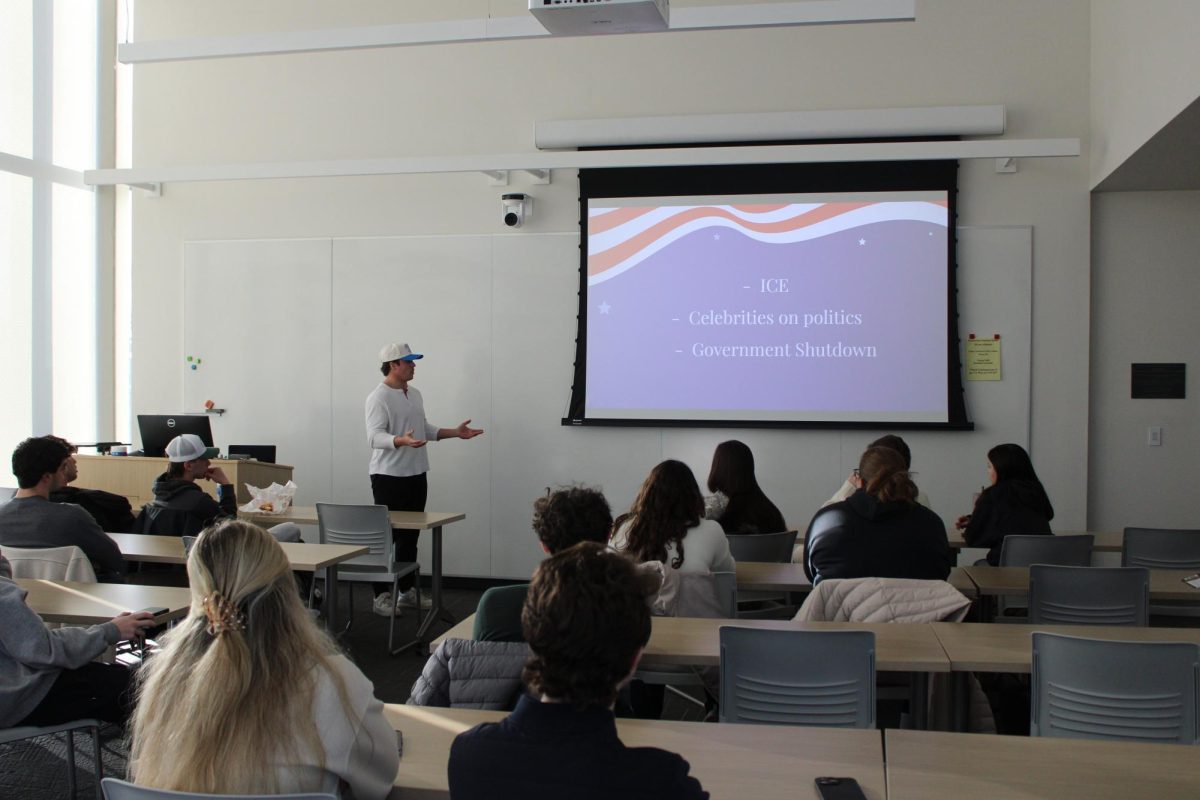
In front of about two dozen students and faculty members in the Kirby Hall of Civil Rights, his lecture explored the evolution of the United States Supreme Court under Chief Justice John Roberts. The event was organized by Seo-Hyun Park, the Government & Law department head.
Murphy, who specializes in constitutional law and the judicial branch, delved into the Supreme Court complexities that formed after the death of Justice Ruth Bader Ginsburg in 2020. He said her death drastically shifted the ideological balance of the court.
Murphy framed the conversation around the court’s increasing polarization in the context of its recent landmark decisions, such as the controversial overturning of “Roe v. Wade.”
He discussed the court’s involvement in what he described as a “shadow docket,” a series of cases decided quickly and often without full briefings or oral arguments. Murphy explained that these decisions, often issued as unsigned opinions or without explanation, have garnered growing concern about the transparency of the Roberts Court.
Murphy said that the increasing use of the shadow docket has implications for how the public perceives the court’s legitimacy.
While Murphy’s analysis represented a snapshot of the court’s current state, he admitted that “things are always in flux.” He said after the lecture that he wanted to highlight the annual importance of Constitution Day in a year marked by political tension and change under President Donald Trump’s administration.
After the lecture, Murphy opened the floor to questions, with topics ranging from the court’s influence on United States tariffs to questions about the benefits of the court’s politicization.
Murphy, during the lecture, stated that there may be more moderate-leaning justices in the future, such as Amy Coney Barrett and Roberts, to hold the line and vote down the middle on issues of an increasingly political nature. Murphy described the circumstances as a court divided “not 6-3, but 4-2-3.”
Some Lafayette students agreed that the Supreme Court has become more political.
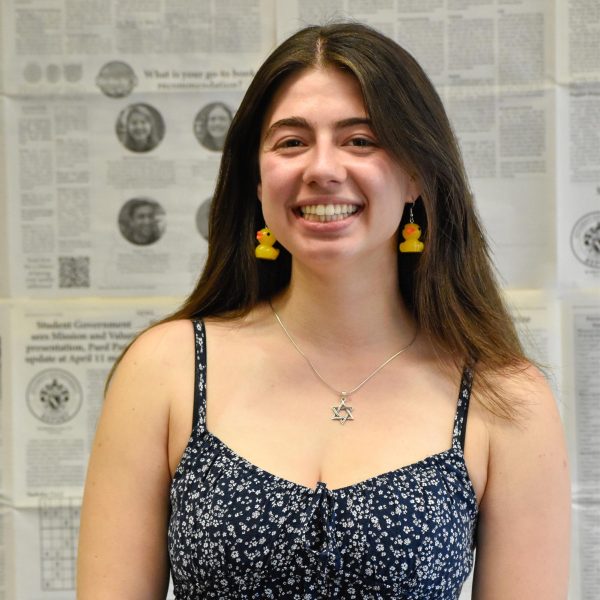
“That’s not something that should be happening,” Kali Gentry ‘29 said of the court. “The whole point is that they’re free from the influence of the president or Congress, right?”
Carlo Perrotti ‘29 said he felt that the Supreme Court’s recent decisions might reflect the views of the public, but he expressed concern that this could be a result of the “vocal minority,” noting how political rhetoric appears to influence public perceptions of the court’s recent actions.
“I think it’s important for me to try to communicate to the college community what I am seeing in the way the court is operating,” Murphy said. “It’s so difficult to understand it.”
A correction was made on Nov. 13, 2025: A previous version of this article incorrectly spelled the names of Carlo Perrotti ’29 and Kali Gentry ’29.