

























































Lafayette College’s Board of Trustees unanimously approved the newest iteration of its carbon neutrality plan last month, though funding for the plan has not been secured.
The initiative, Climate Action Plan 3.0, was developed over the previous academic year and represents the college’s commitment to achieving carbon neutrality by 2035, a target set in its 2019 predecessor, Climate Action Plan 2.0.
While Climate Action Plan 3.0 includes more specific data on indirect emissions from college purchases, or Scope 3 emissions, and introduces potential measures to combat climate change on campus, many of its central goals — including a 60% waste diversion target and transitioning to a more eco-friendly campus-heating strategy — are carried over directly from the previous plan.
“We didn’t meet the scale of funding that we needed,” said Delicia Nahman, the college’s director of sustainability. “As a result, some of the other goals within CAP 2.0 didn’t reach the target at the pace that we were hoping to.”
The new plan — which attributes previous shortcomings to COVID-19, leadership turnover and a lack of financial support — states that implementation will require “new dedicated sources of funding” but does not specify what those are.
“While the plan does not establish a single dedicated funding source for every initiative, the college is committed to pursuing a combination of institutional investments, grant funding, philanthropic support, donor contributions, and government funding opportunities,” Vice President for Finance and Administration Audra Kahr wrote in an email.
“We don’t know how we pay for it,” said Julia Nicodemus, an engineering professor who served on the plan’s steering committee. “That to me is the biggest concern about it.”
As Lafayette prepares for its upcoming capital campaign, a multi-year fundraising effort, both Nicodemus and Nahman cited the campaign as a likely source of sustainability funding; Vice President for Advancement Sean Scanlon did not respond to requests for comment.
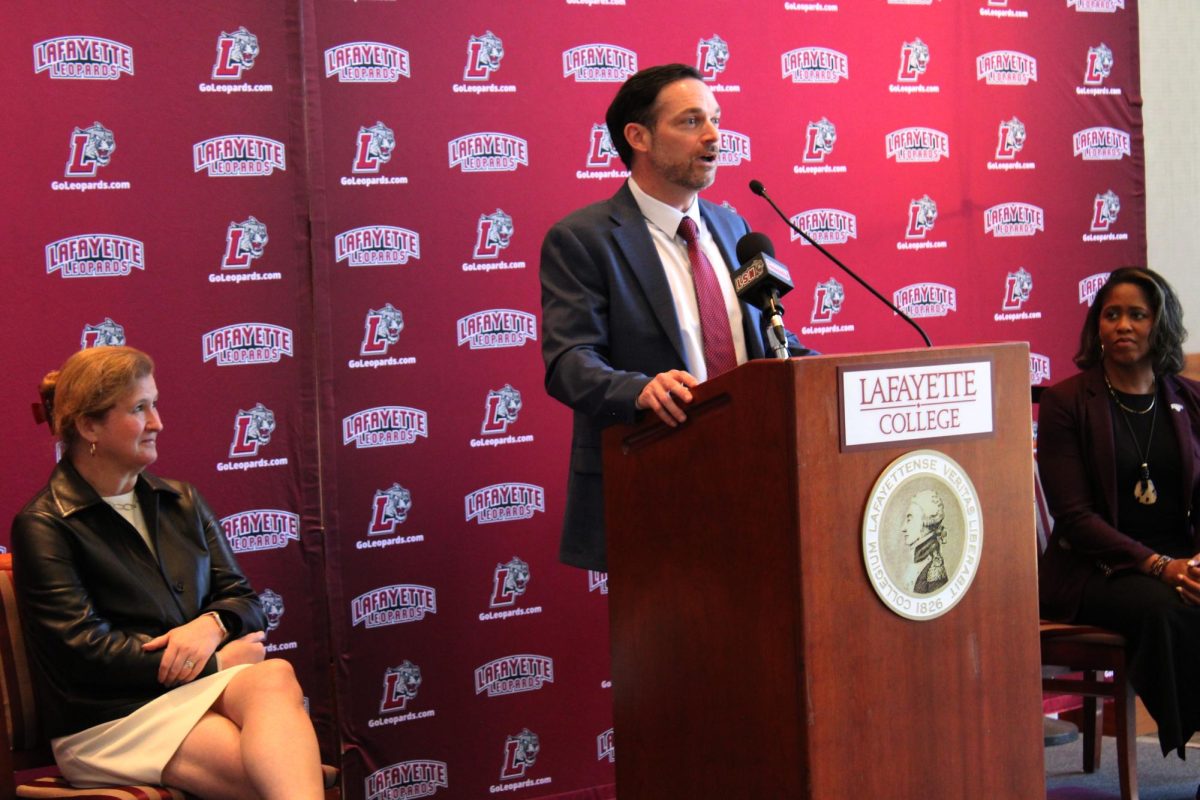
Trustees Chairman Bob Sell ‘84 said funding discussions did not come up during the approval process, and that any conversations about costs would be “premature” at this point.
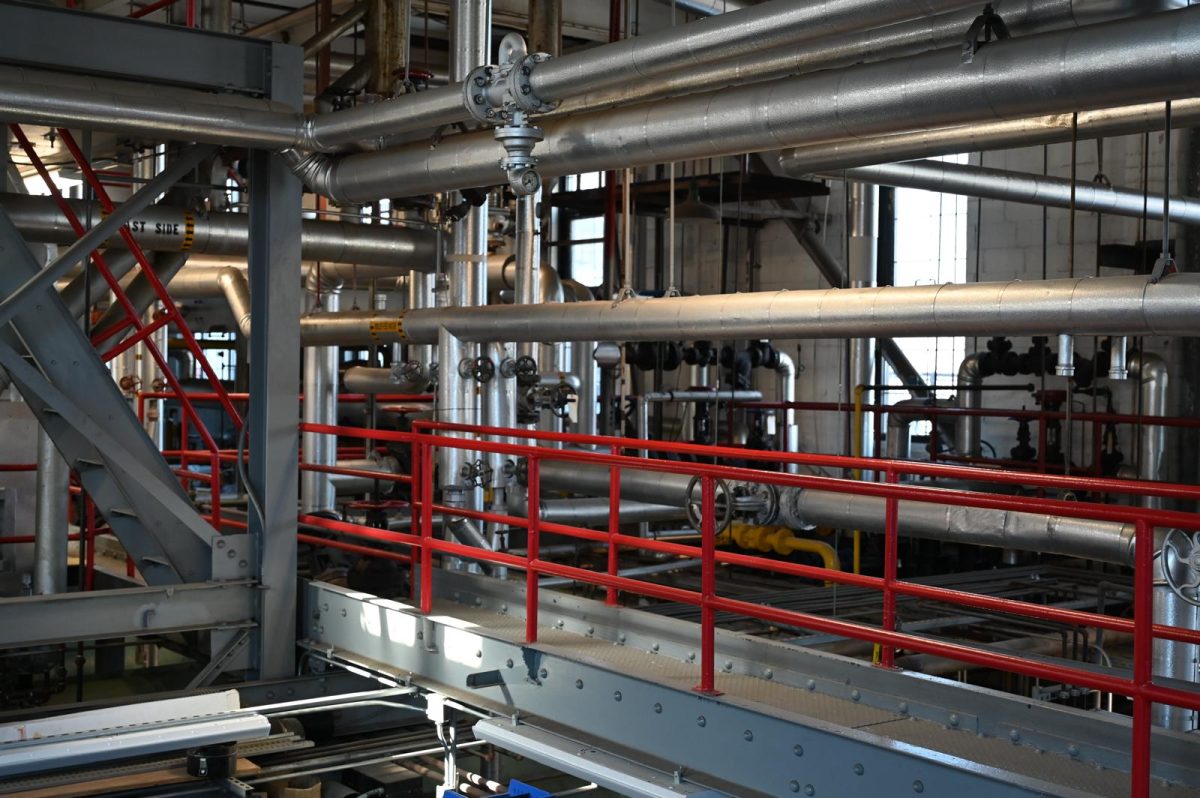
Unfulfilled goals from the previous plan are again brought to the forefront in this iteration, with strategies outlining steps to end dependency on the on-campus steam plant responsible for much of campus heating, which contributes 56% of the college’s direct emissions, and approaches to reduce additional emissions through adaptations to the campus’ electricity, transportation, waste and development of Metzgar Athletic Complex.
The plan identifies four possible pathways to replace the steam plant, including shifting to air-source heat pumps, geothermal energy and two separate carbon capture sources. One option, implementing a geothermal energy source, would see multiple years of construction on the Quad.
Lafayette will conduct an engineering study to determine the strongest option based on cost and campus disruption, among other factors, though the study has not been commissioned yet, according to Nahman.
New to this iteration are also data on projected climate change impacts on campus, focusing on flooding risks along the Bushkill Creek and extreme heat.
“With each iteration of the climate action plan, we are that much smarter,” Nahman said. “We now have better data, we now have new stakeholders and we have new ideas about how to reach the goals with a different pathway in mind.”
Since the adoption of Climate Action Plan 2.0 in 2019, Lafayette has achieved 100% renewable electricity through a partnership with a solar energy facility in Kentucky and expanded composting efforts and waste reduction programs.
The previous plan also established the college’s Green Revolving Fund, a pool of money for sustainability projects aimed at achieving carbon neutrality. The college promised $1.8 million in funding across three installments from 2019 to 2021. However, the final payment was delayed, with the final disbursement coming in 2025; Kahr attributed the gap to financial uncertainty during the COVID pandemic.
Disclaimer: Assistant News Editor Makenna McCall ’27 is an employee in the Office of Sustainability. She did not contribute writing or reporting.