








































By Walter Burkat ‘16
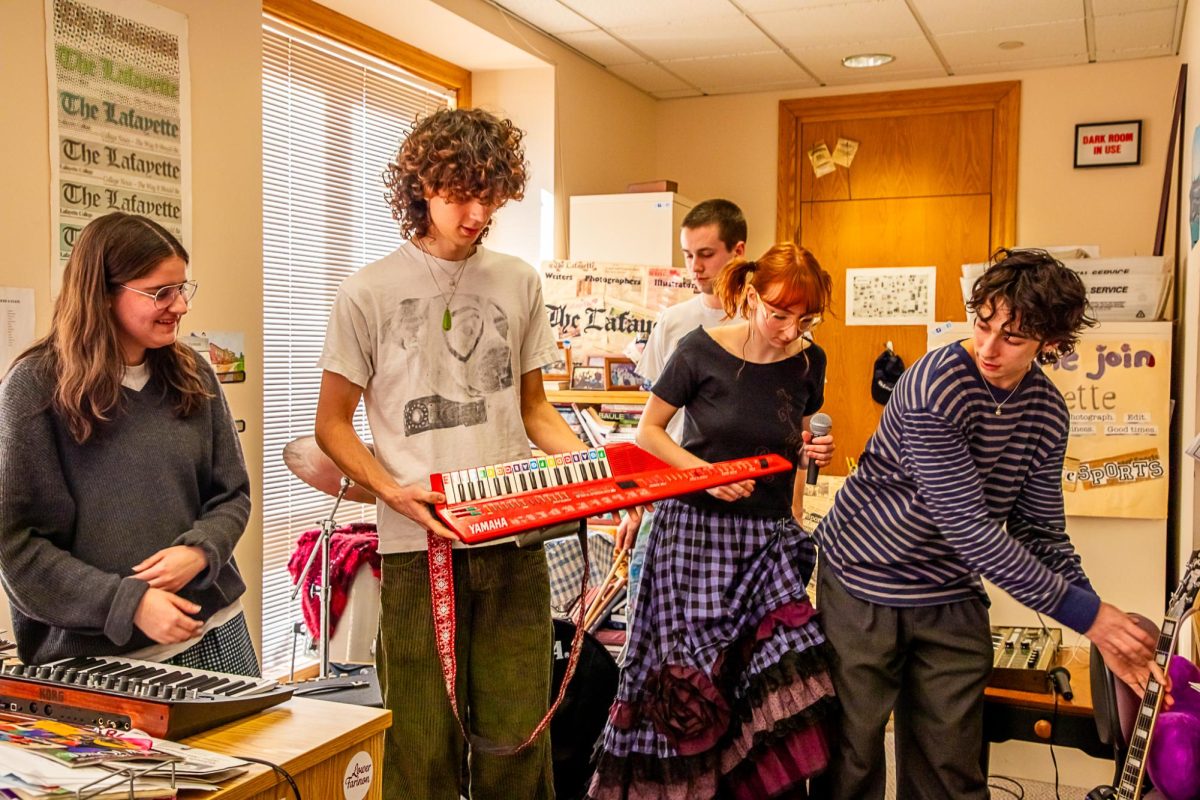
Photo courtesy of Percussion Ensemble

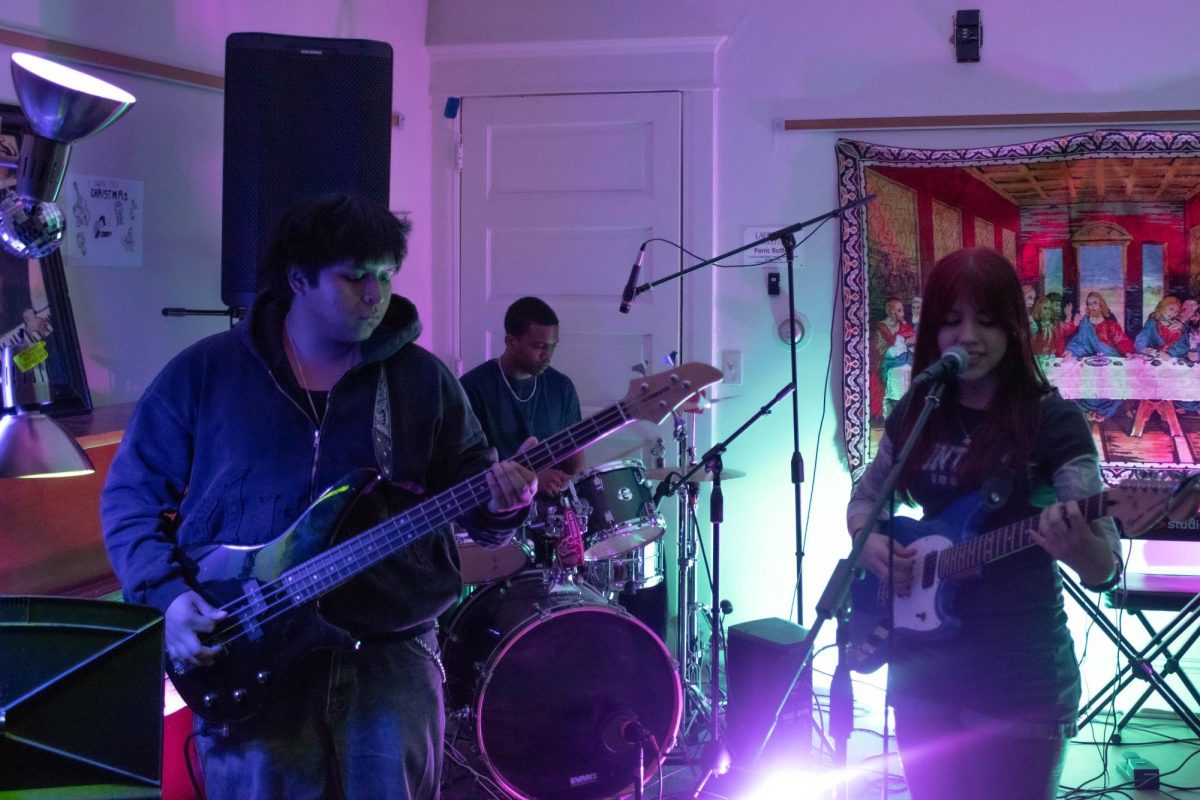
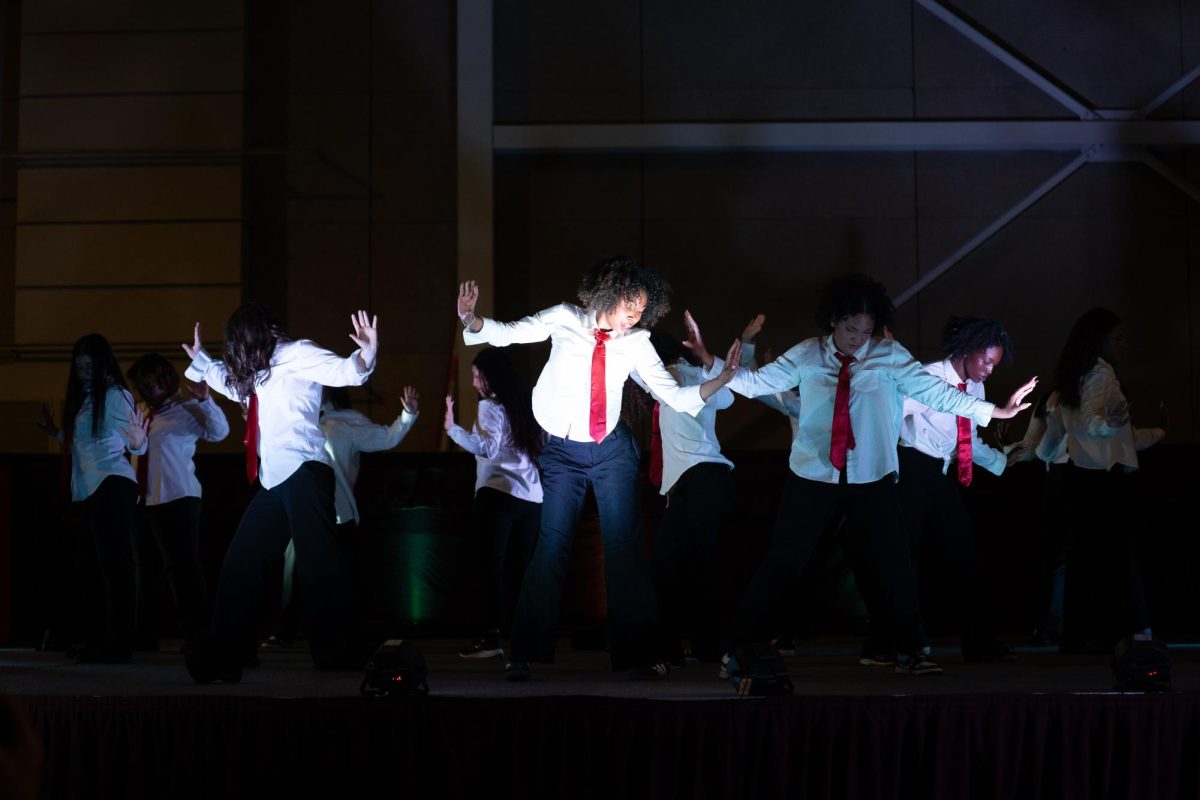
The pulse of nations filled Williams Center for the Arts Monday when the Percussion Ensemble performed music from North Africa, South Africa, Japan and the Caribbean.
The program kicked off with Chak, which laid down a distinct Moroccan beat, filling the house with a North African vibe. Most performers played long woodblocks as two members of the ensemble soloed on the drums. Members intermittently yelled “Chak!” which Director J. Larry Stockton joked sounded “like a profanity.”
Sticking to the Moroccan theme, the ensemble performed Bound forMarakesh, which featured several native instruments. Djembe Djamfollowed, an original by Stockton. Although the piece was extremely complex, performers were able to keep the beat without breaking a sweat.
Paying homage to Japanese percussion, the ensemble then performed Z-Conversion and Osuwa Daiko Variations. Stockton explained that the “Z” in Z-Conversion stood for the Japanese word Zomegi, which translates roughly to “lively.” Composer Minoru Miki got a self-described “taste of both worlds” by dipping into both Western and Eastern traditions.
Osuwa Daiko Variations, the medley of traditional Japanese ceremonial music, demonstrated powerful East Asian influences. The heavy thumps of the larger ceremonial drums blended nicely with the soft pitter-patter of the smaller Japanese drums. The ringing gong also gave the piece a distinct Asian flavor.
Switching gears, the ensemble spoofed Dancing with the Stars and America’s Got Talent with their version of “America’s Got Rhythm.” Ranging from rhythmic clapping to percussive ladders, the members showcased their creativity and percussive skills in the short improvised pieces.
St. Thomas, Stockton’s favorite, followed and was beautifully done. Marimbas and tambourines built up into a danceable beat. Stockton mentioned that composer Sonny Rollins once performed the piece at Lafayette and was able to keep it together while dancing around the theater.
The group finished with an eclectic performance of Butsu Mutandari, a traditional Zimbabwean melody from the 1960s.
Stockton complimented his musicians. “What I admire most is their perseverance and their willingness to take on challenges in their music careers.”