




































































By Julie Depenbrock ’13
For the second time in two weeks, campus officials received a report that a female student had been raped.
Few details were released about the most recently reported incident, which happened last semester but was not reported until November 2.
The victim, like the victim of rape on Homecoming weekend, declined to press charges.
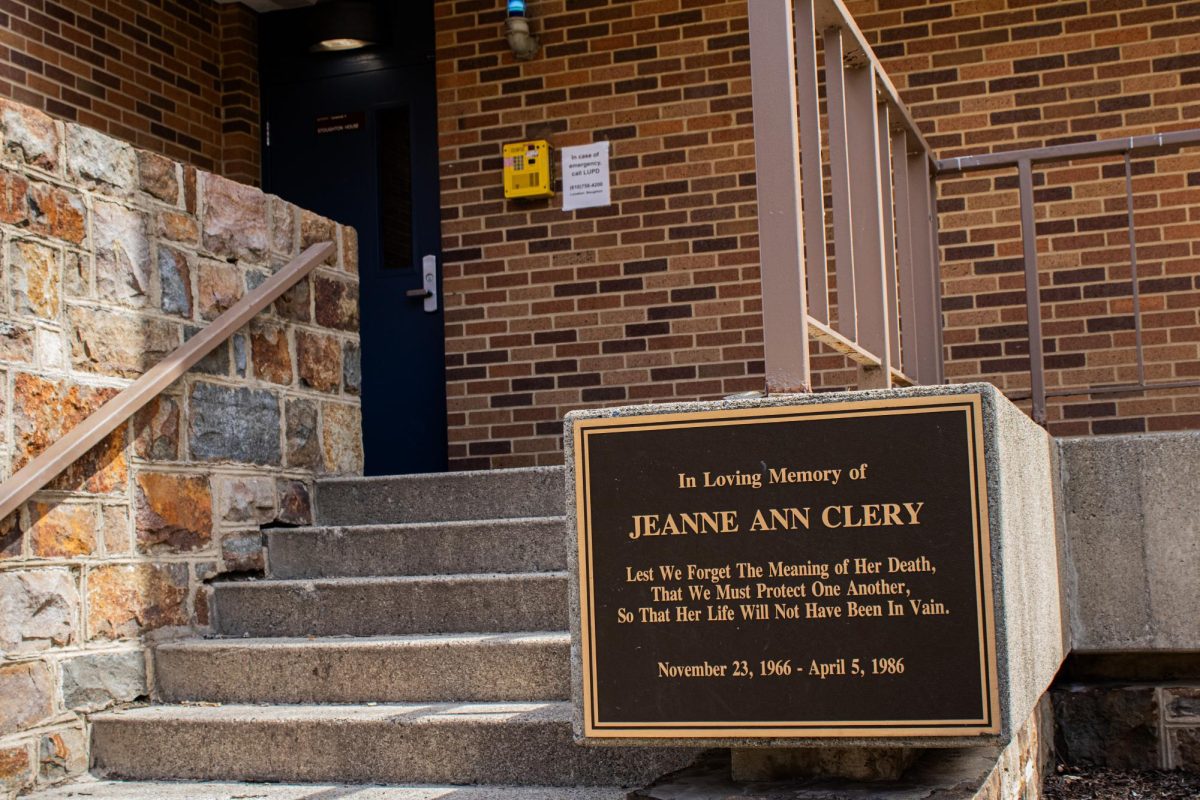
In accordance with the Clery Law, Public Safety issued a timely warning, which requires the community be informed when a crime presents a serious or continuing threat. The law was named after Jeanne Clery, a Lehigh freshman who, in 1986, was raped and murdered in her dorm room.
In a campus-wide email, Lafayette Public Safety wrote that the student’s alleged rape took place at Kirby House on April 11 and that she has “requested an investigation into the incident.”
A male student was questioned in connection with the case and referred to Director of Student Development Greg Meyer.
Though neither of the victims is pressing charges, Lafayette is taking these incidents seriously, Meyer said.
“Confidentiality and the rights of the victim are paramount and if they don’t wish to pursue this, then we can’t do anything about it,” President Daniel H. Weiss said.
According to the Campus Climate Survey released in 2010, sexual assault victims at Lafayette routinely refuse to file charges, or even report the incident to authorities. “Several commented that they were too embarrassed or did not want others to know the assault occurred or felt guilty or ashamed,” researchers said.
“Some lacked confidence that reporting the assault would have any positive outcomes,” the report continued. “Several said they did not report…because the perpetrators were their friends [or] they wanted to ‘put the assault behind them.’”
No sexual assaults were reported last year, according to Public Safety’s Annual Security and Fire Safety Report.
Head of Counseling Karen Forbes is not surprised.
“Many of them just want to get on with their lives,” Forbes said. “They don’t want to continue talking about it.”
So far this year, of the students who visited the counseling center, 8.8 percent responded “yes” to the following question: Someone had sexual contact with you without your consent (e.g., you were afraid to stop what was happening, passed out, drugged, drunk, incapacitated, asleep, threatened or physically forced).
However, not all of these contacts happened at Lafayette.
“Frequently these incidents are between students who know each other and alcohol is often involved,” Weiss said. “What we try to do is provide as much counseling to the victim as we can.”
But students are never forced to seek counseling, and for some, it is not the right path to healing. “Counseling can be helpful, but it’s not the only way people can recover from such an event,” Forbes said.