



















































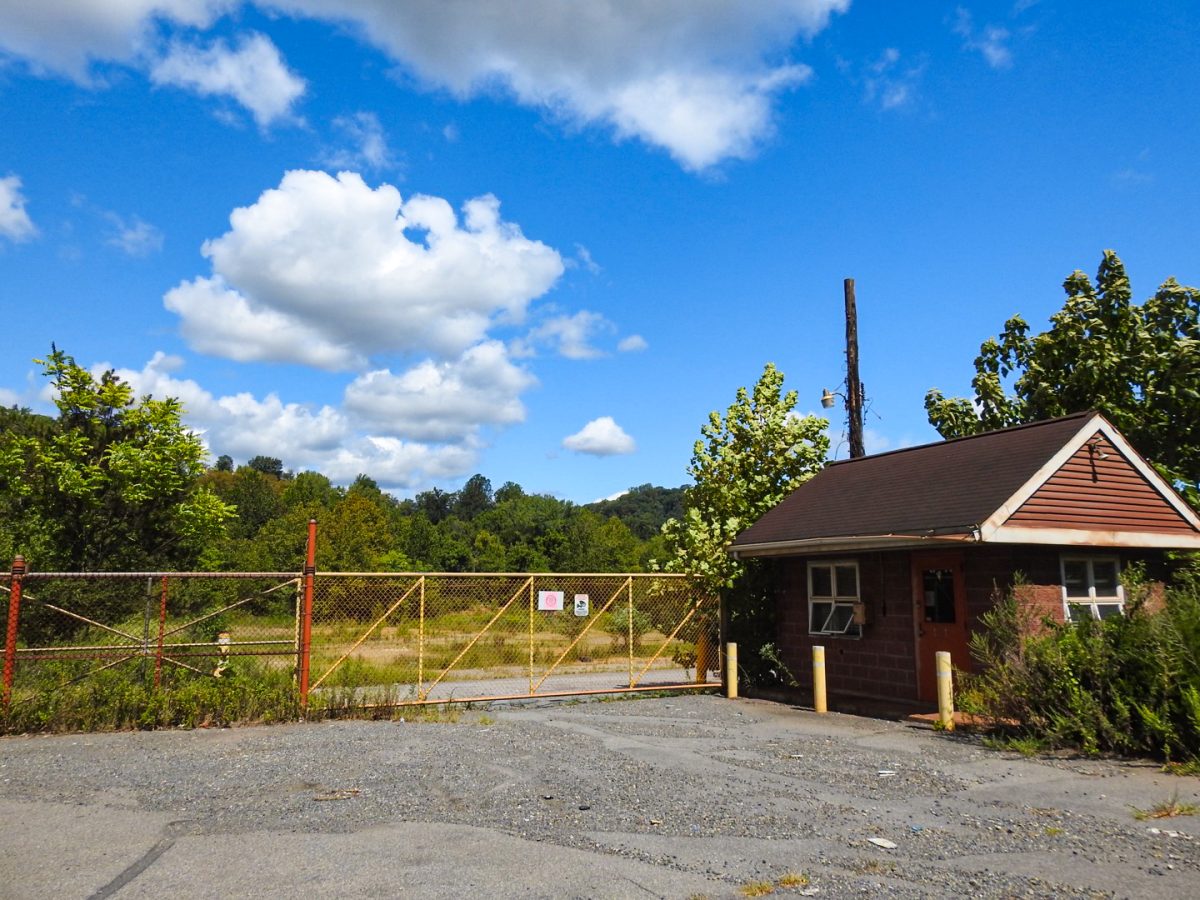
More than a year after it was first proposed, a final decision has yet to be made on the proposed construction of a 1-million-square-foot warehouse in Easton.
What’s new, and what’s next for the warehouse?
Imminent construction of the warehouse — proposed by real estate development company Scannell Properties — was approved by the borough of Wilson last September, but the proposal has continued to face roadblocks in Easton and has been delayed by a pending vote in the Easton Planning Commission.
Around 90% of the warehouse is located in Wilson, with the remaining 10% in Easton, according to the project’s planners.
The Easton Planning Commission has the ultimate authority on whether construction of the project can begin. A similar subgroup of the city — Easton Zoning Board — has distinct jurisdiction for a special exception that allows the project to be constructed within a designated floodplain.
A proposal seeking the recommendation of a special exception for permission to reroute a stream feeding into Bushkill Creek was denied by the Easton Planning Commission Board on Aug. 7.
The Easton Planning Commission will vote on the approval of the applicant’s land use application on Sept. 3. Just weeks later, the Easton Zoning Hearing Board will hold a definitive decision on the special exception when it votes on Sept. 18.
“Currently, a portion of the stream that is on site flows through a pipe underground, so the developers are proposing to do what is called daylighting, which refers to moving the stream above ground,” wrote Christa Kelleher ‘08, a civil engineering professor who expressed warehouse concerns at a recent Easton Planning Commission Meeting, in an email.
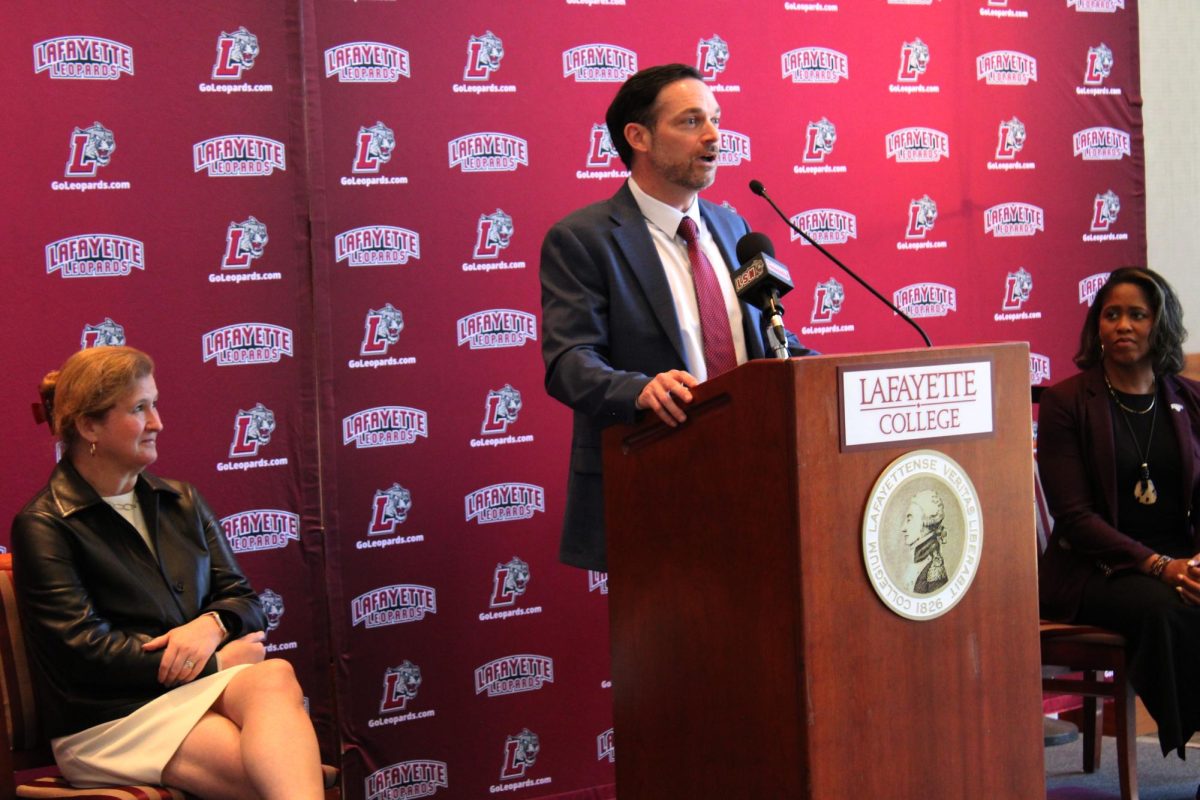
Hubert Etchison, the vice chairman of the commission, voted against the recommendation due to issues such as relocating contaminated materials and elements of the construction.
“I just could not recommend granting a special exception, particularly in a floodplain,” he said.
Depending on the Sept. 18 zoning hearing board vote, the Easton Planning Commission is slated to vote on the overall project on Oct. 3. The project was up for a vote on May 8 and July 2, before the votes were delayed for issues such as marathon public comments and failing to meet quorum.
Opposition engagement expands at Lafayette and beyond
“The downside in the spring was that we felt that they kept delaying and they kept delaying and they kept delaying,” said Benjamin Cohen, an engineering professor and member of the coalition Stop the Wood Warehouse.
“The upside was that it’s just given us so much more time to get so many more people involved in understanding what the issue is,” he continued.
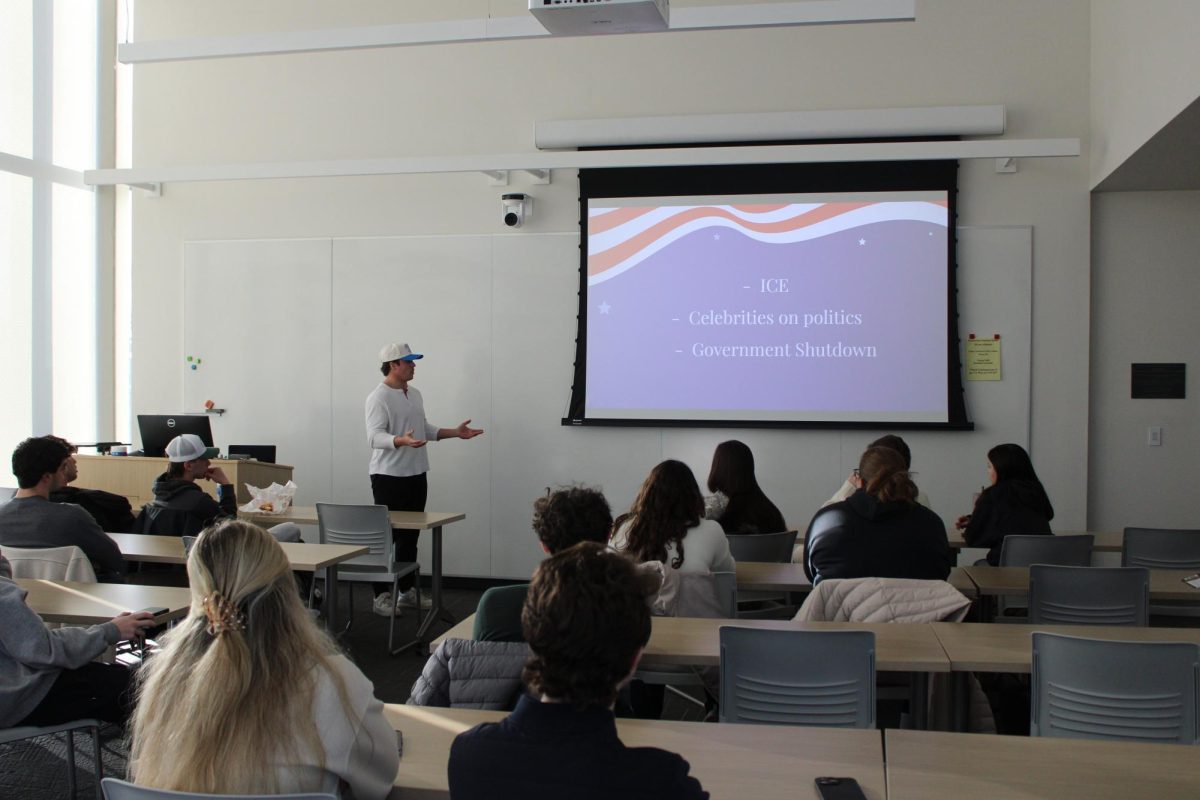
Some Lafayette students have also mobilized against the warehouse project, and professors have included the warehouse in the content of their courses. The college’s environmental studies capstone largely centers around case studies involving the warehouse.
“We see partnering with the Wood Avenue Warehouse coalition as an opportunity for students to engage directly with community partners across environmental sciences and studies while building and strengthening community ties,” wrote Kyle Keeler, an environmental studies professor, in an email.
“I saw a map in class yesterday in my capstone, and I knew the general area, but I didn’t realize how close it is to Bushkill, and that is really going to negatively impact the creek, the wildlife, the habitat, the people, the air,” said Eszter Hiscott ‘26, a student in the environmental studies capstone class and critic of the warehouse.
A media representative for Scannell Properties declined to comment.
Though Easton City Council does not get to vote on the warehouse, the city’s mayor, Sal Panto Jr., has penned letters against it. Panto cited the highway and road intersections near the site — U.S. 22 and 13th St., and Bushkill and 13th St. in particular — as potentially creating traffic safety problems.
“There’s tractor trailers getting off 13th St. trying to make a left-hand turn, which they can’t make,” Panto explained. “They’ll be going into the neighborhood to turn around, and that’ll decrease the quality of life in the neighborhood.”
The city’s school district, in an April letter, echoed this concern shortly before the district unanimously passed a resolution opposing the warehouse.
Benjamin Bernhart, the transportation director for the Easton Area School District, wrote in the letter of opposition that there are already challenges to large school buses turning on streets near the warehouse, and that “now we are talking about a 53 ft. tractor trailer.”
Ghen Zando-Dennis, an Easton school board director, said that 25 bus routes may drive around the warehouse property if approved. She warned that increased pollutants and diesel energy could be harmful to children as they wait for buses. Scannell Properties or the Borough of Wilson did not communicate with the school district about the warehouse, according to Zando-Dennis.
“One of the lessons to be taken from this is that it is a marathon, not a sprint,” said Jennifer Talarico, a psychology professor and member of the coalition.
