
























































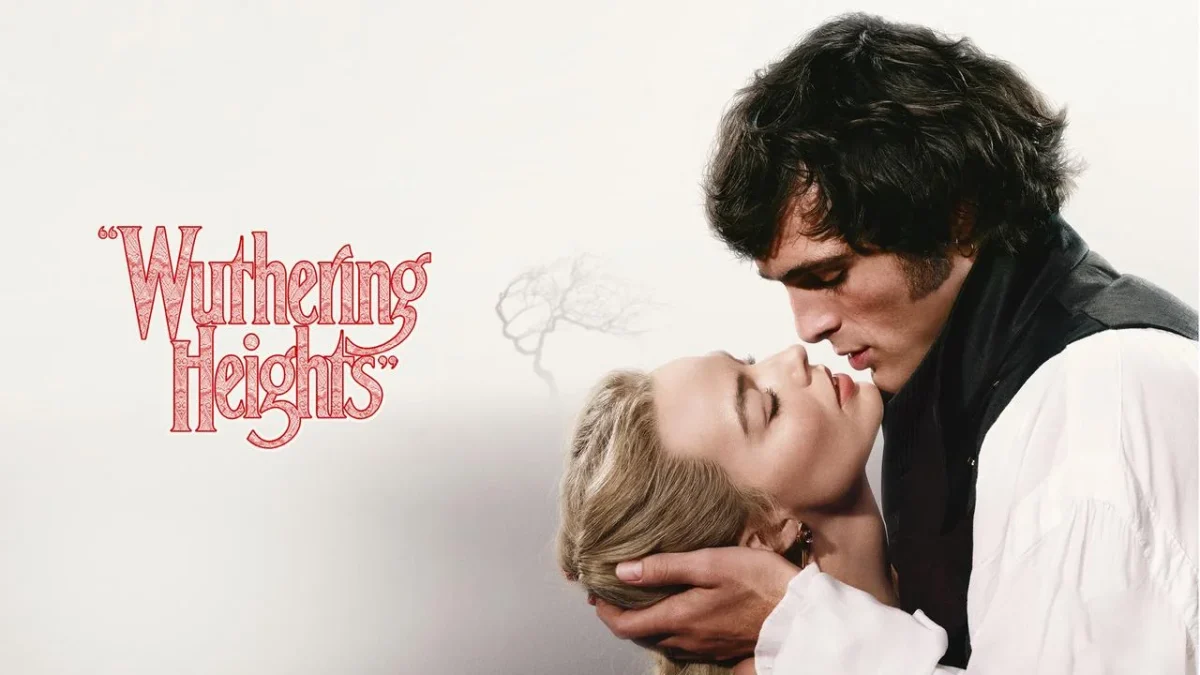
Emerald Fennell’s newest film, “Wuthering Heights” (2026), received incredibly polarized reviews. Before I continue, I want to acknowledge that I went into this film blind. Not only had I never read Emily Brontë’s “Wuthering Heights” (1847), but I knew absolutely zero about the plot.
Focusing specifically on the film, I liked it. I wasn’t blown away by anything: it wasn’t life-changing, but the story and characters were very intense and emotional, and it was enjoyable.
Fennell, most known for her film “Saltburn” (2023), is a lover of dramatic aesthetics, and “Wuthering Heights” is a welcome addition to her portfolio. The costumes are incredibly beautiful and extravagant, with bright colors, textures and patterns. The set design is equally as embellished — huge doorways and high ceilings with beautiful chandeliers. Aesthetically, this film was incredibly pleasing on the eye, but was it necessary?
My original impression of the film was that it was a strong, slightly toxic romance movie. It built tension and pulled at the heartstrings — your average gothic romance. After further research, I feel differently. Audiences are peeved by this adaptation because it robs the viewer of quintessential themes of the novel.
For starters, the character Heathcliff, played by Jacob Elordi, is described in the book as having darker skin, hence why he is treated poorly in Victorian England. The doomed nature of Heathcliff and Cathy’s relationship in the book lies in the fact that she is a white woman who must go off and marry a rich man, and he is an “other” in the eyes of society, so they can never truly be together. The themes of elitism, classism and racism that make “Wuthering Heights” the text it is are completely disregarded and erased by Fennell. If I were a fan of the book, I’d be pissed too!
This got me thinking about creative twists on classic texts. When I first watched this, knowing that people disliked it, I thought it was only die-hard Brontë fans being too protective of their stories. My thoughts have since changed. While ingenuity and imagination are vital in the world of film and storytelling, it gets to a point where maybe you should just write a new story. It seems that Fennell took a deeply complex, layered romance, dumbed it down, threw glitter and rhinestones on it, and walked away like she did something new.
I think this film would’ve received far less backlash if it were marketed as a retelling or heavily inspired by “Wuthering Heights.” It feels as if Fennell just wanted the hype behind the immense title that is “Wuthering Heights” and had no regard for what the text stands for or what it means to people. I gave “Wuthering Heights” a 2.5 out of 5 stars, and I would only recommend it to anyone who hasn’t read the original.
