


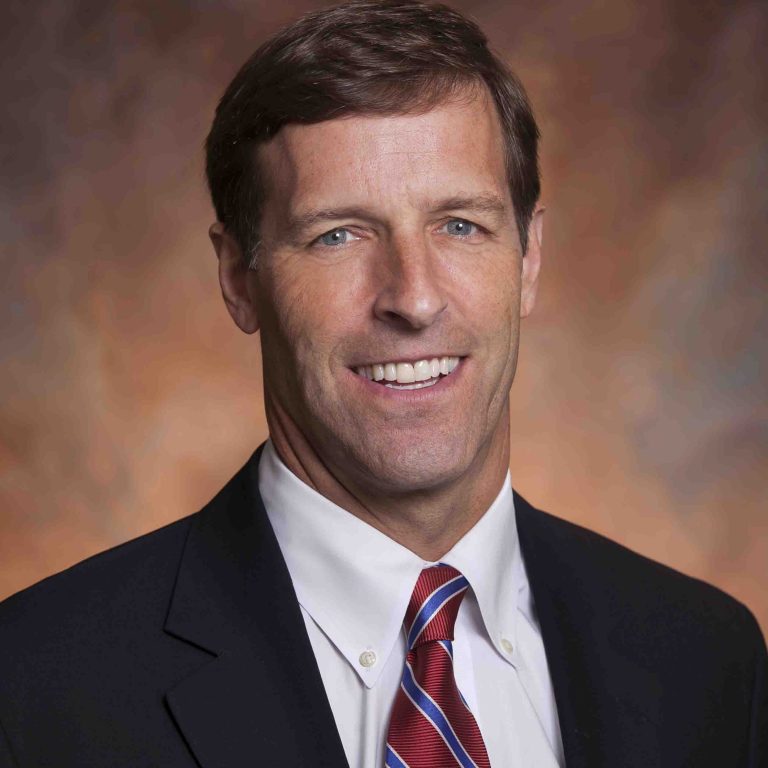
































Marvin Boyer, a lifelong Eastonian, career civil rights advocate and dedicated member of the Lehigh Valley community, died on March 13. He was 76.
“He did so much work for the community that everybody in it benefited from it, whether they knew him or not,” City Councilman Frank Pintabone said.
Days after Boyer’s death, Easton Mayor Sal Panto Jr. formally declared March 13 “Marvin Boyer Day” in the city, a symbolic gesture to honor his legacy.
“I want Easton to be diverse but friendly, and we are, and thanks to people like Marvin Boyer,” Panto said. “He battled for his people, the minorities in this city, but he also did it in a way that he talked through the issues.”
Boyer followed in the footsteps of his mother, Clarine Boyer, who was also an activist, helping found the Easton Area Neighborhood Center, a local nonprofit organization that provides social services.
Isla Long, the current board chair of the nonprofit, said she had known Boyer since she was 5 years old and had “never seen him deviate from his values.”
“The biggest value I found with Marvin is he was a connector,” Long said, noting his deep roots in the community. “If you had an idea or a concern, he was able to get you in front of the people that could actually address the issue.”
Long also pointed to city-wide increases in government diversity as part of Boyer’s efforts at bringing more voices to the table.
“Marvin was quick to raise his hand and say, ‘Wait a minute, there’s too many just old white men in this room,’” Long said. “There’s a lot more representation at various levels of government.”
Boyer also played a crucial role in the early stages of the Lehigh Valley Justice Institute, serving as the criminal justice organization’s first president.
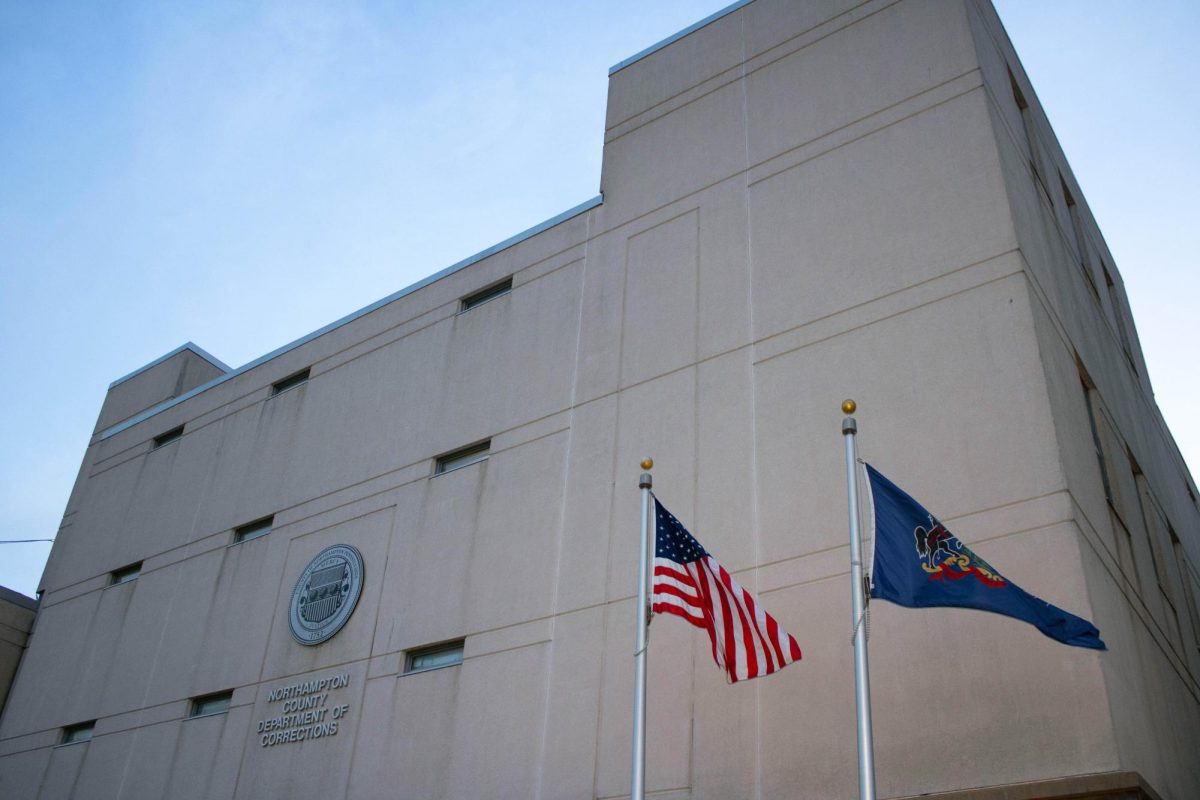
“What really stands out to me is how he navigated through the Northampton County justice system, helping young men and young women that were wrongly incarcerated,” said Josh Robinson, the current president of Easton’s NAACP chapter.
A political action chair of the NAACP chapter, Boyer helped organize protests and political action amid nationwide discussions of racial injustice following the death of George Floyd in 2020. According to Panto, Boyer’s leadership helped the city stay peaceful.
“He was very calm and cool-headed,” Panto said.
Boyer partnered with the Lehigh Valley Engaged Humanities Consortium, a local grant initiative that lasted five years beginning in 2021, to host a variety of events highlighting Black history in Easton.
Andrea Smith, a Lafayette College anthropology professor and co-director of the consortium, highlighted a celebration of Black history that Boyer helped organize at the Sigal Museum. She noted that the event “attracted hundreds of participants of all ages to the museum, filling it, and turning the museum into a jubilant Black space.”
“That event and its follow-up on the Black woman’s experience, and meeting with Marvin with and outside classes, were highpoints for me of the 5-year project,” she wrote in an email. “He was a class act: smart, dignified, and courageous.

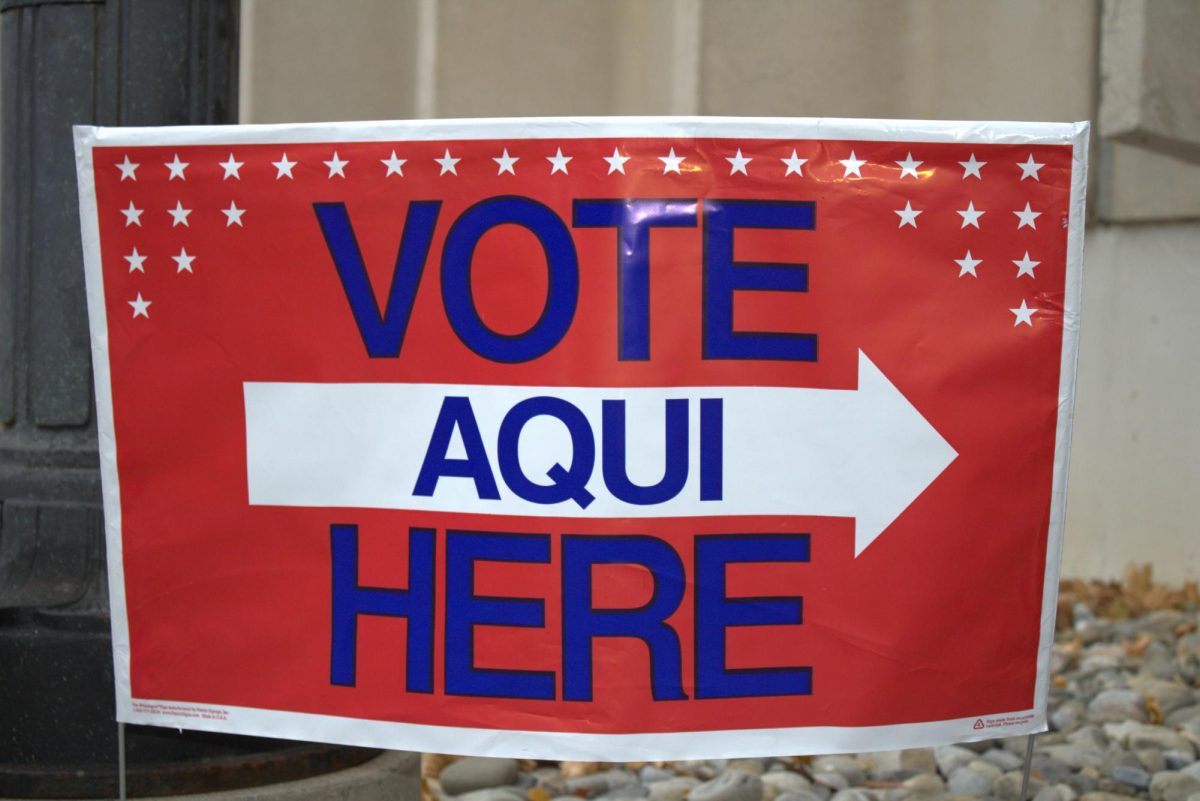
“Marvin’s work with the libraries was a huge part of his legacy at Lafayette,” wrote Charlotte Nunes, the dean of libraries, in an email in reference to his work with the consortium. She added that he was involved in Lafayette Votes and a voter mobilization event coordinated with a Government & Law class.
Boyer’s impact continued reaching up to College Hill. At Lafayette, Boyer served on a community advisory council that focused on housing affordability and public safety.
“Marvin was the first to accept, expressing his excitement about contributing to the ‘rich mosaic that is the greater Easton community,’” wrote Chelsea Morrese, the executive director of the Landis Center, in an email. “His wisdom and insight were invaluable, not only to these efforts, but to the broader community he served so deeply.”