











































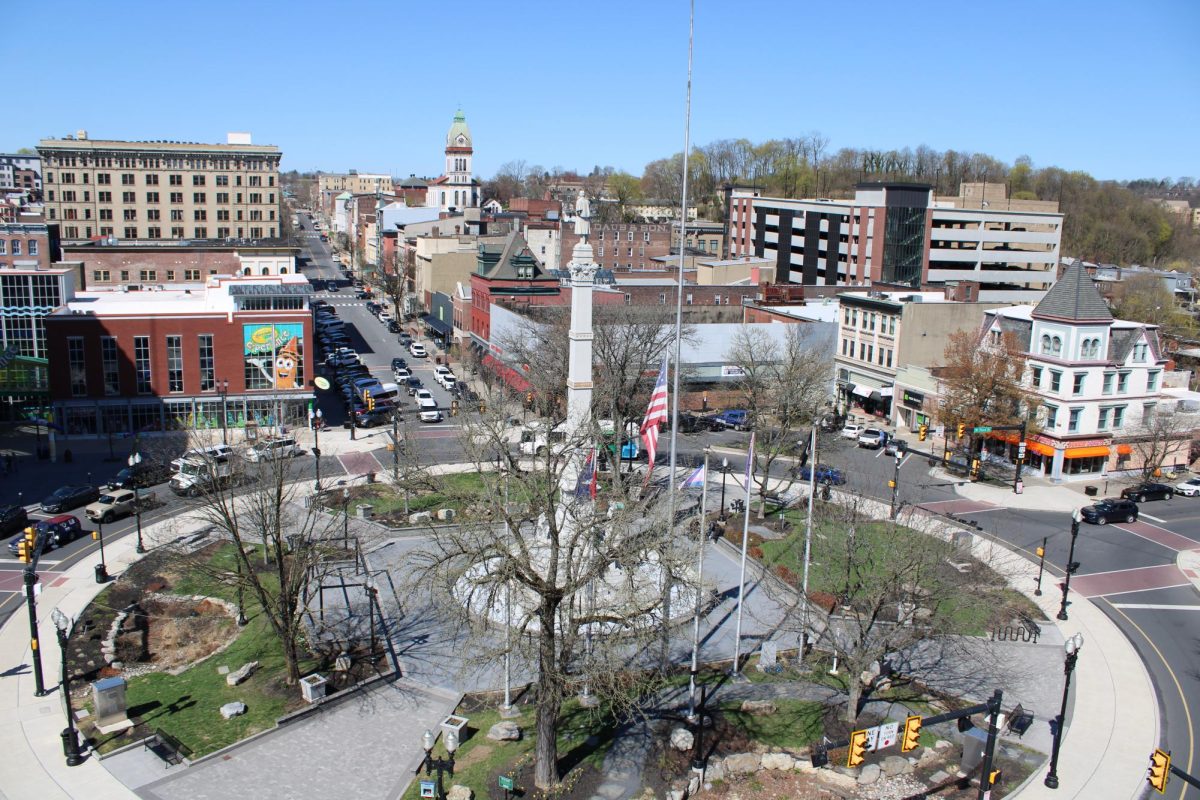
More than $1.3 million in state funding was awarded April 15 to four organizations serving youth in the Easton area.
The grants, approved through the School Safety and Security Committee, part of the Pennsylvania Commission on Crime and Delinquency, are part of a broader allocation of more than $68 million statewide to support school safety and youth programming.
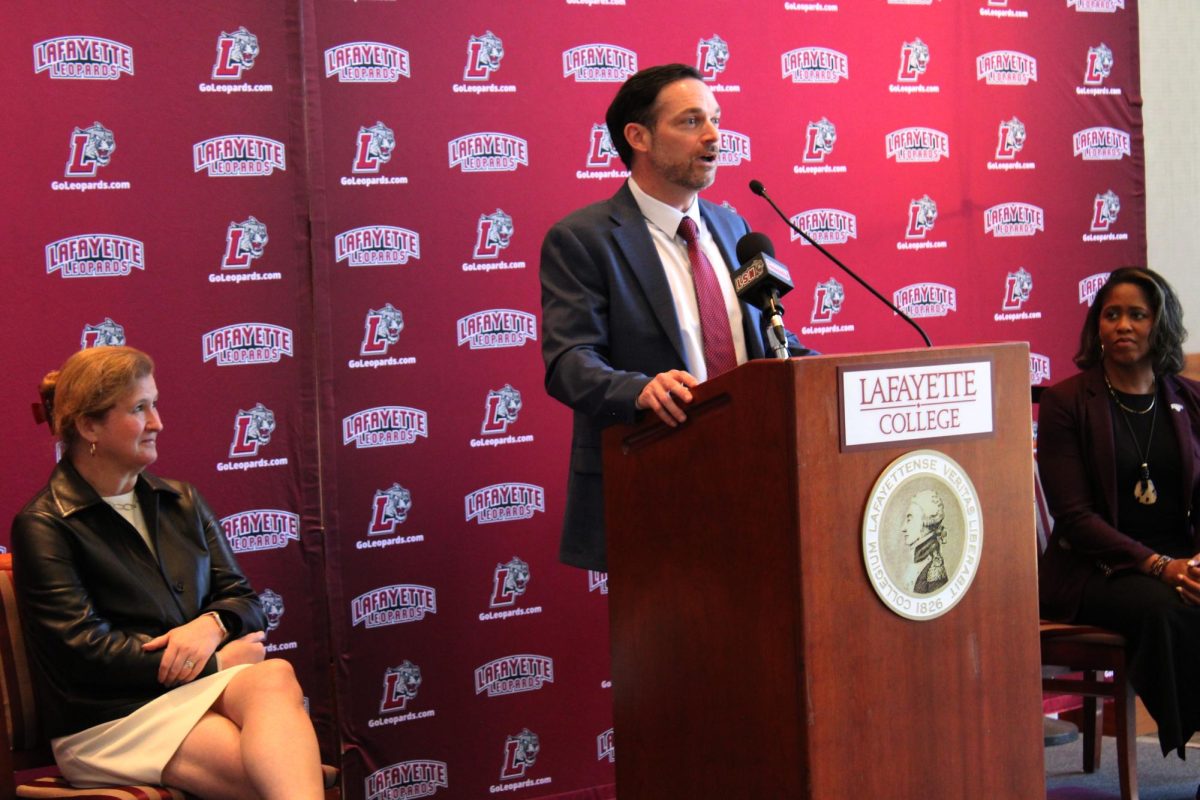
The Greater Easton Development Partnership will receive $500,000 to continue its Safe Routes to School program, which executive director Jared Mast ’04 said would allow the organization to continue employing “Easton Ambassadors,” city-wide street cleaners, during Paxinosa Elementary School commute hours.
The initiative places trained Easton Ambassadors along routes near Paxinosa Elementary School to keep areas “clean and safe,” Mast said. He added that Safe Routes to School aims to support “attendance and anti-bullying and anti-violence in the walking area territory around Paxinosa.”
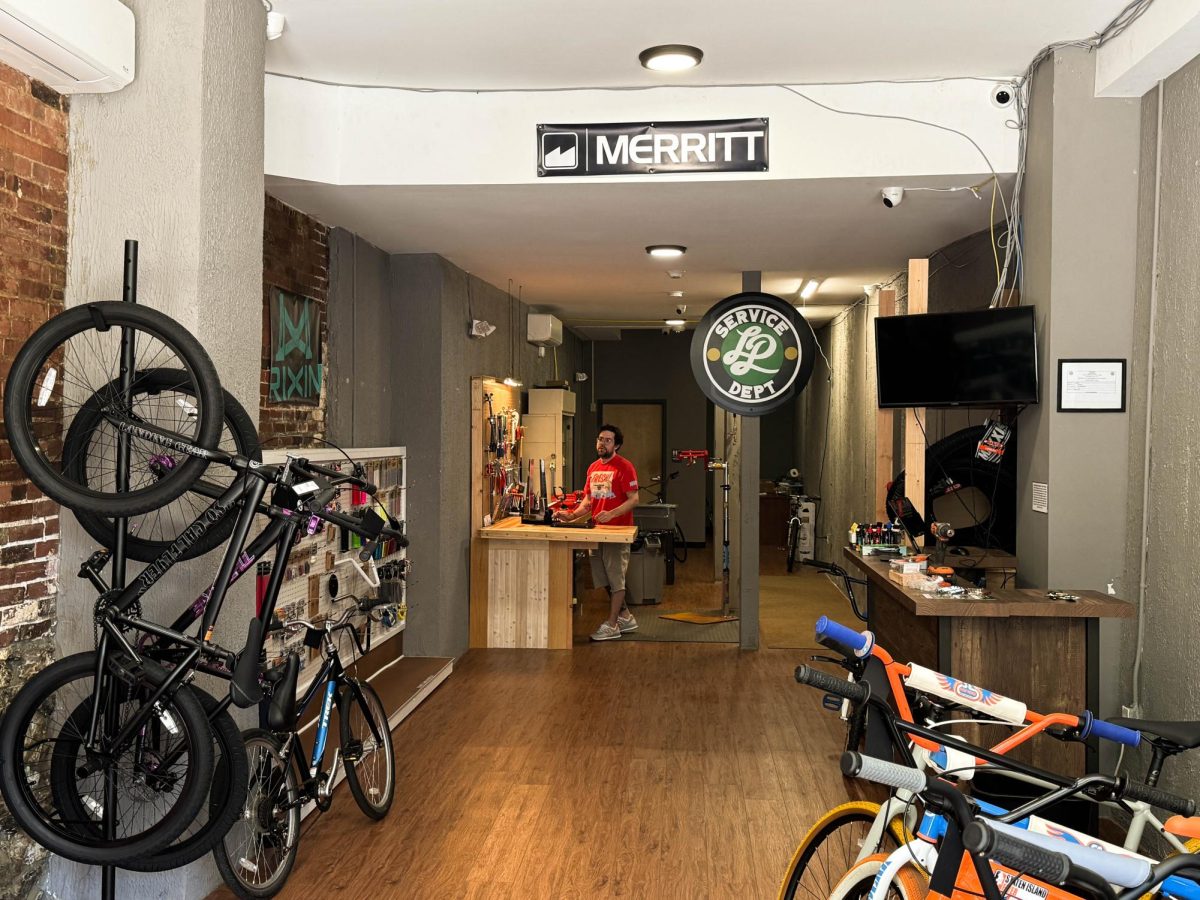
Community Bike Works received a similarly-sized grant of $494,800 to expand its Easton Bike Club, a mentoring and violence-prevention program for Easton Area High School students.
“The first version of the grant was a collaboration with Community Bike Works and their Earn a Bike program with high school age students,” said Mast, adding that the organizations applied for grant funding separately this year in hopes of earning more funding than in previous years.
Two additional organizations, the Easton Area Community Center and Wilson Area Linking Individual Needs to Community Services Family Center, received $232,820 and $79,000, respectively.
Easton Area Community Center will use the funding to expand its athletic programs, while the Wilson center will launch the Skills Training and Recognition Program, a new after-school prevention initiative for middle school students.
The Wilson center will operate in six-week sessions, during which students will learn a new skill and impact the community.
“They see how something that they have created has made a positive impact on the community,” said Wilson family center Executive Director Trina Johnson-Brady. One example she used was students learning to crochet beanies for newborns, then taking a field trip to a local neonatal unit.
“This is a proven model that helps offset many risk factors that lead to youth problem behaviors,” she said.
The grants were awarded during a period when many nonprofit organizations faced funding cuts from the federal government. Spring Department of Government Efficiency initiatives cut millions of dollars in nonprofit funding for Pennsylvania, while an August executive order tried to limit grant funding for organizations supporting diversity, equity and inclusion.
“We’ve been lucky, I’d say, not to have been affected greatly by cuts that have hurt us in more significant ways,” Mast said.
Johnson-Brady acknowledged that her organization lost grant money in 2025.
“We know that everyone’s kind of in the same boat, and we just appreciate every vote of confidence that we’ve been given by the local community and local elected officials,” she said.
