

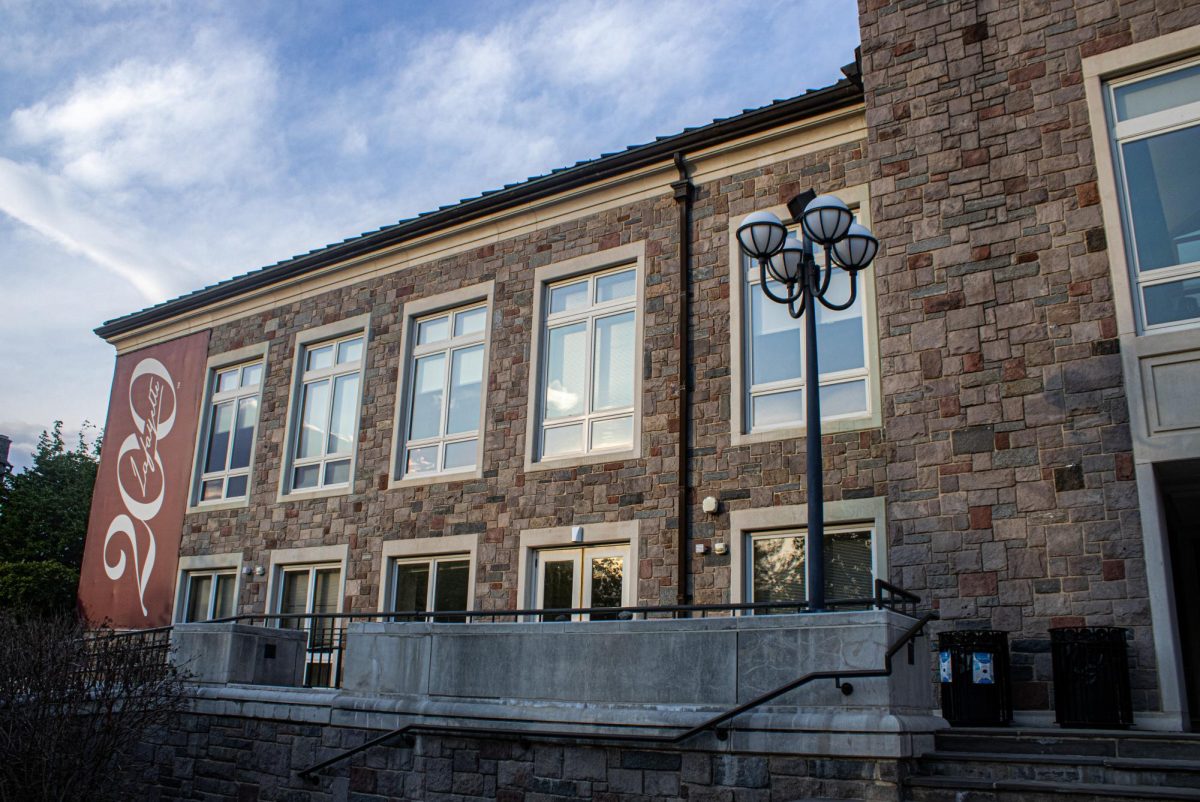




































On August 29, 2016, I walked into Lafayette College’s 248 N. Third St. as a student registered for DOC 150, the first course offered in the new LVAIC documentary storymaking minor. Taught by professor Andy Smith, the course convened an interdisciplinary cohort of 24 students from Lafayette, Lehigh University and Muhlenberg College. It was the beginning of a unique, place-based program with an ambitious vision shared by its founders — to educate, equip and empower storytellers in the Lehigh Valley, and to deepen the relationships between students and the communities they neighbored.
Once a week, Muhlenberg provided a van to transport students to Lafayette to learn documentary theory, practice hands-on creative techniques and apply ethical frameworks needed to tell stories in communities outside of our institutions. The three-hour evening course extended for another half hour on the trip back, as conversations spilled out of the classroom.
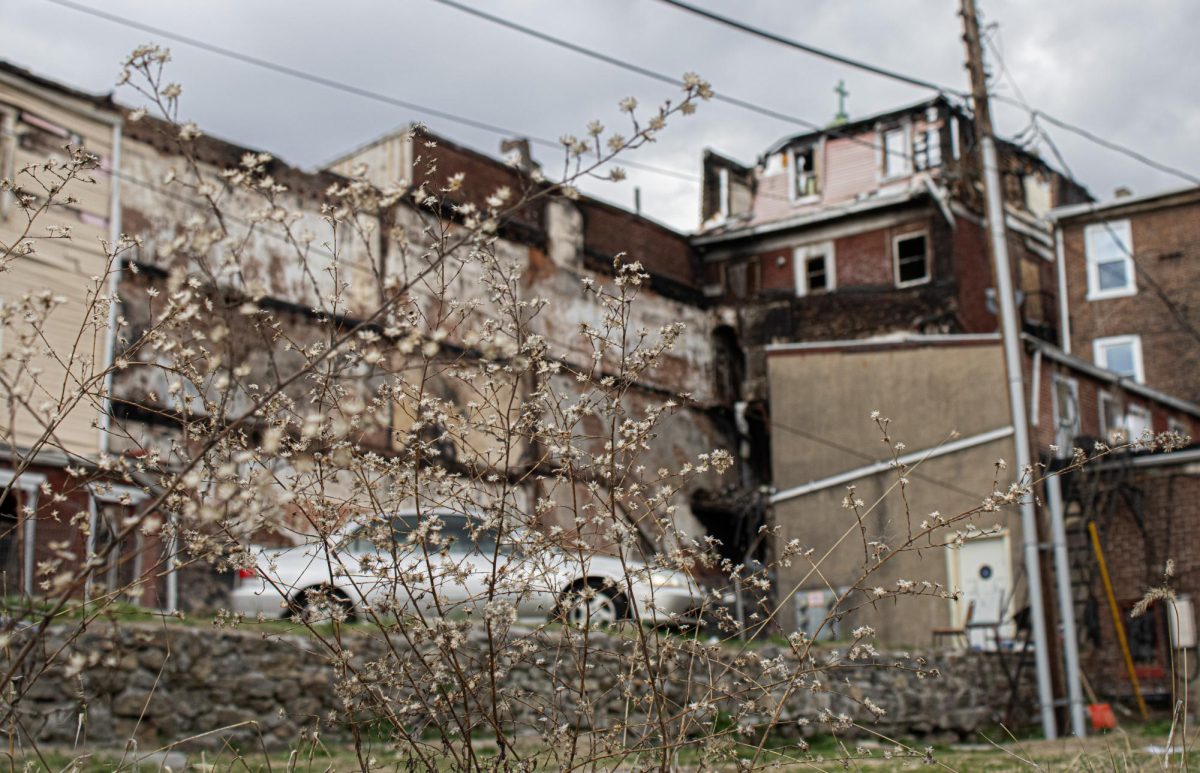
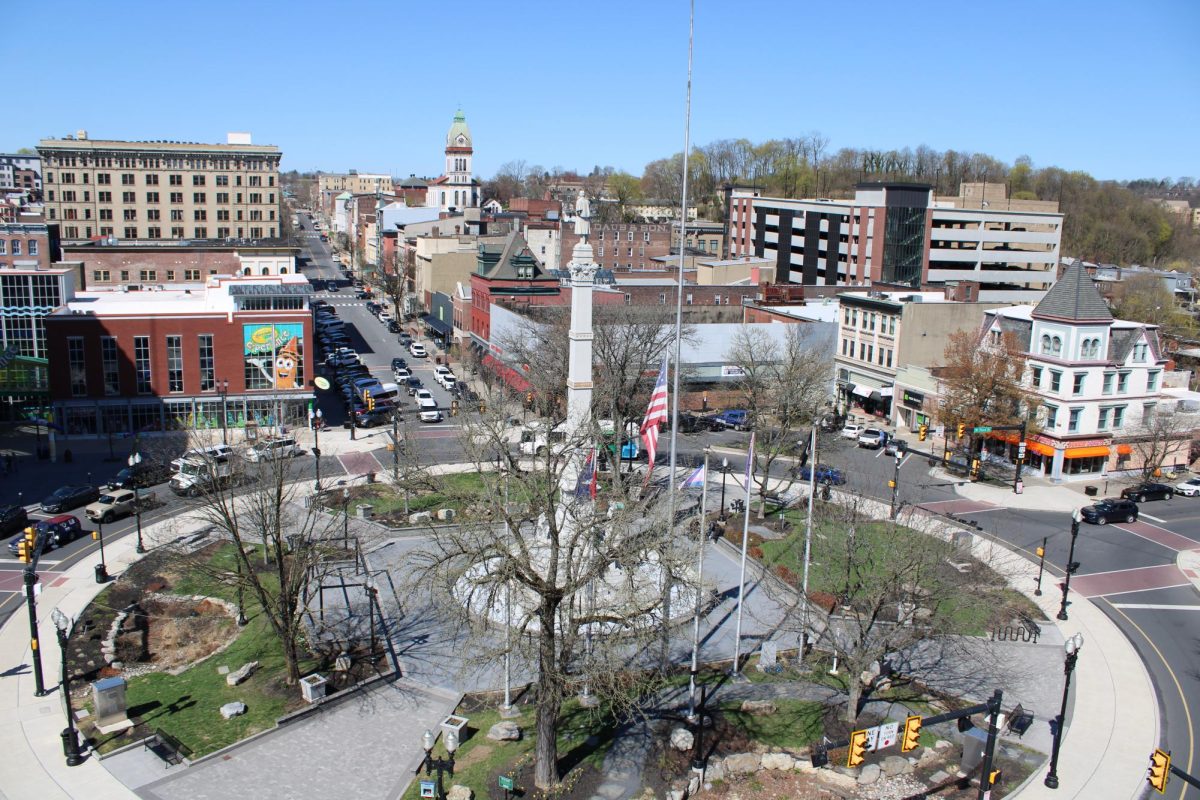
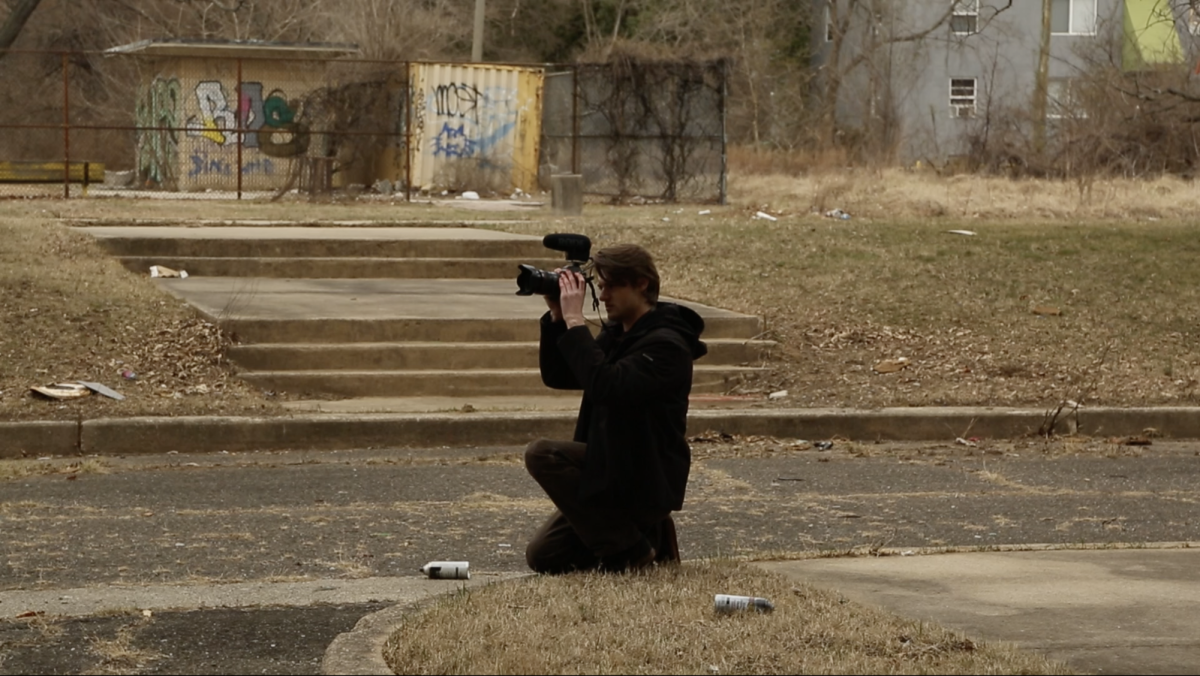
After an introductory progression of creative exercises, I joined a team of students to make a short documentary about gentrification in downtown Allentown. Together, we crafted a film at a critical moment in Allentown’s history, as a careless revitalization process in the Neighborhood Improvement Zone yielded disastrous housing consequences. Later, this documentary would be shown in local forums to ignite debate among politicians, and would introduce me to my co-director on my feature documentary debut.
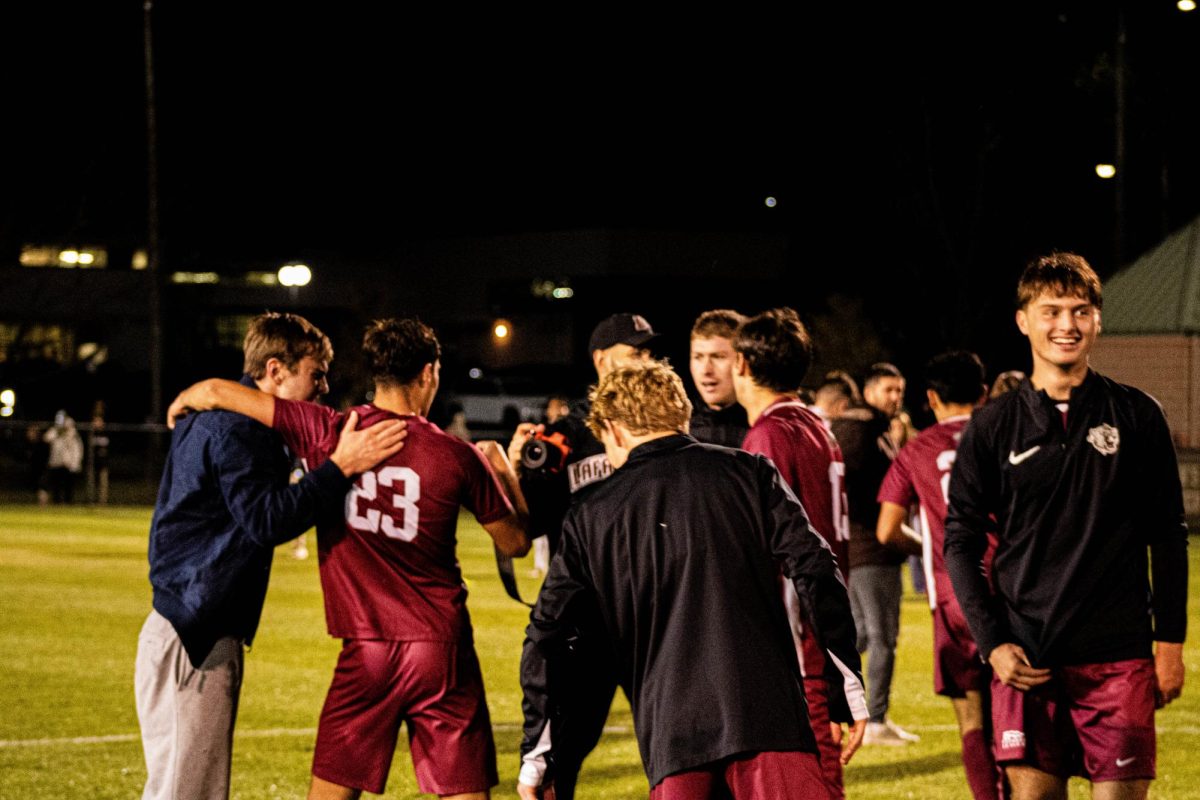
Documentary storymaking was the catalyst for my career, and the reason I stayed in the region for a decade after graduating. In that time, I’ve had the incredible privilege of being a teaching assistant in five documentary storymaking courses and a lead instructor for six. I’ve witnessed dedicated, curious students pursue consequential stories in the Lehigh Valley. Community stories about environmental justice, immigrant rights, housing, food insecurity, liberation movements and other topics that remain meaningful to Pennsylvanians. Campus stories celebrating LGBTQIA+ students, Muslim students, student-athletes and international students — to name a few of the communities students identified with and lovingly crafted films alongside. In my four years as a lead instructor, the minor welcomed 15 visiting filmmakers to campus to share their films and visit classrooms. All of this impactful work wouldn’t have been possible if the program had been cancelled “years ago.”
What I’ve seen in each of my documentary storymaking courses is in sharp contradiction to the proposition that the program had “declining interest.” Instead, what I saw was extraordinary institutional neglect and an equally extraordinary resilience from the educators and students who persisted. When Muhlenberg stopped providing transportation, students would carpool to neighboring campuses. When Lehigh wasn’t able to offer classes, faculty ensured they were cross-promoting courses. When Muhlenberg eventually left the minor as part of its “right-sizing” campaign, I watched my mentors continue to advocate for the program despite the heartbreak of the institution’s narrow, data-driven decision.
Now, as Lafayette’s administrators also use quantitative metrics and ignore qualitative data to justify the closure of the minor, it feels important to push back with personal testimony — the heartbeat of documentary stories. This minor is precious and continues to be a life-changing program. It creates direct avenues for deeper community relationships, facilitates real-world experiences for young storytellers and empowers students to participate in democracy in a moment where this enshrined promise is rapidly eroding in the United States.
I join over 270 students in calling for the minor’s immediate reinstatement and a commitment to adequately resourcing this transformative program.
Drew Swedberg is an adjunct professor of Film & Media Studies and graduated from Muhlenberg College in 2017 with a minor in documentary storymaking.