

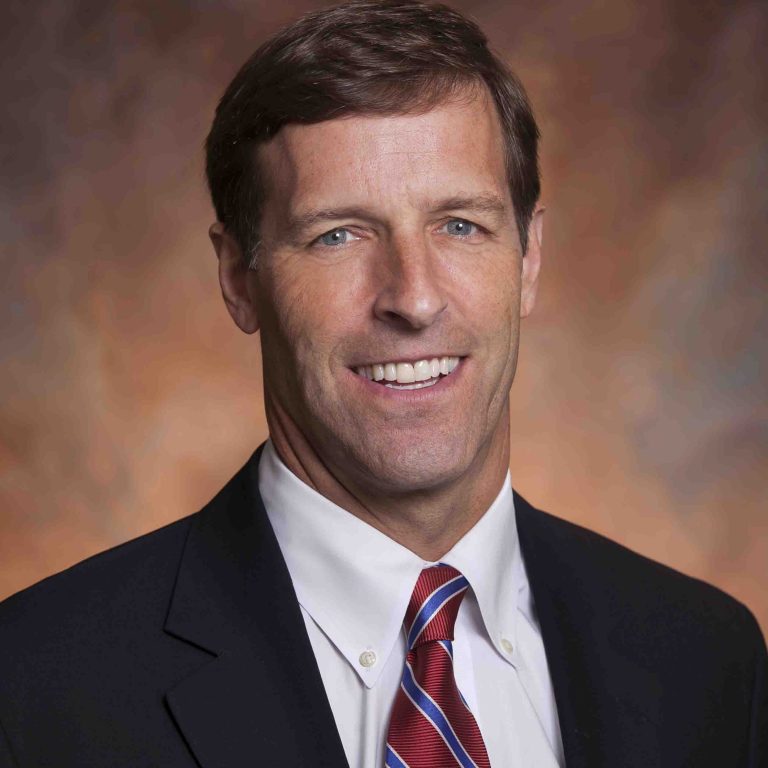









































There are not many things that Tim Jarkow ‘27 is allowed to share about his recent initiation into Lafayette College’s chapter of fraternity Delta Tau Delta, but he is not exaggerating when he says he’s the happiest he’s ever been since.
“It was always something I dreamed of, in a way, but it didn’t really seem possible for me,” said Jarkow, who is, to current knowledge, the first openly transgender member of Greek life in the college’s history.
Despite a previous bad experience with the fraternity rush process, he said he found a group “very able to unconditionally accept me for who I am.”
In and beyond Greek life, Lafayette College wasn’t always a very welcoming place for LGBTQ+ students. A fact not shied away from and acknowledged during first-year orientation, it was once listed as one of the most homophobic colleges in the country by the Princeton Review in 1992.
As expected, not all 200 years of queer history at Lafayette have been studied or recorded. The first instance of the word “homosexual” in The Lafayette appears in 1938, when a doctor spoke on campus about sexually transmitted diseases and made “a plea for an understanding view” of who he claimed was 3% of all adults. But, former students — the oldest of which graduated in 1959 — interviewed for Lafayette’s Queer Archives Project to chronicle queer experiences throughout the college’s history, described a closeted, “invisible” community and an oppressive campus environment.
But how do queer and trans students feel on campus now and in recent years? It is impossible to create a comprehensive account of every perspective of LGBTQ+ students at Lafayette, but some were generous enough to share their personal experiences.
Many report feeling largely supported by the college, with some room for greater support for queer students of color. At the same time, students shared that, in recent years, there has been a more open environment for expressing hatred in the wake of the reelection of President Donald Trump.
Student groups have mixed status
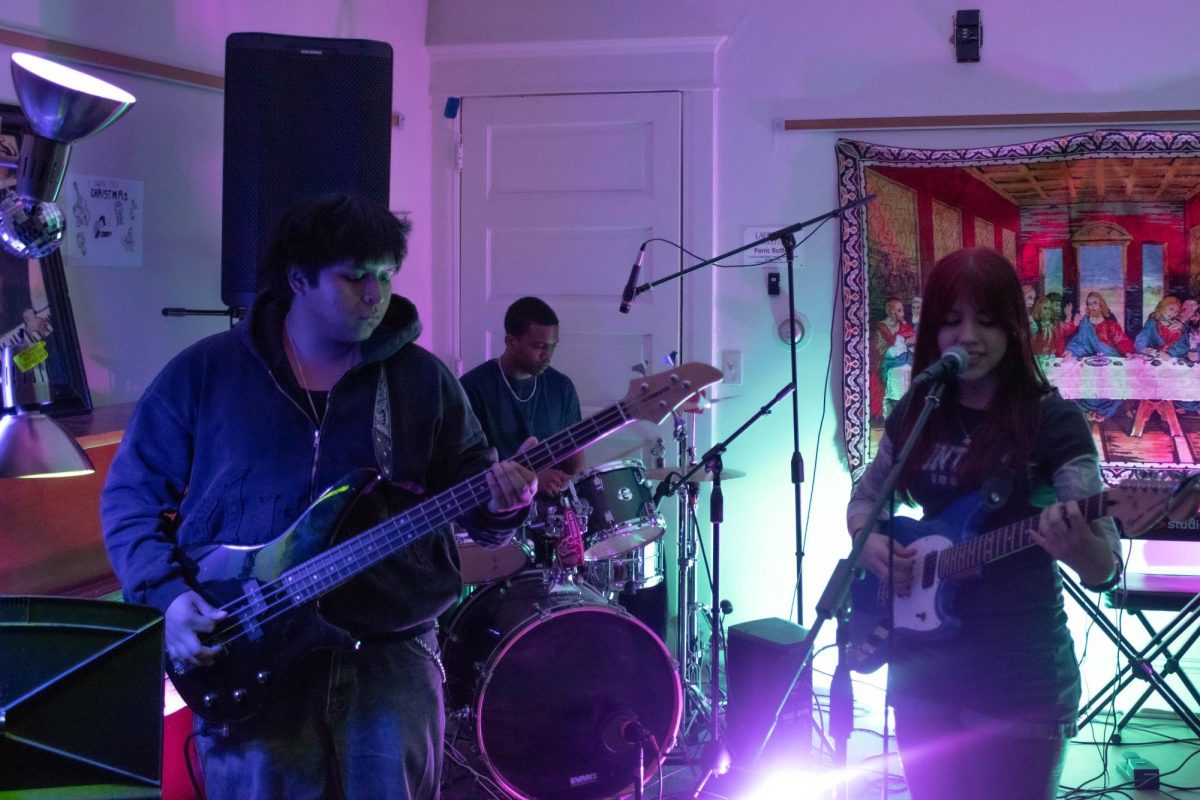
For the 2025-26 school year, the only two official queer-focused student organizations on campus were OUT Lafayette, a generally-focused student group, and Lavender Lane, gender-inclusive housing that took over an old sorority house in 2022.
With almost 20 residents, Lavender Lane has also been thriving as a community space, its leaders say.
“You can exist, you can hang out,” co-president Kate Stadter ‘26 said. “It felt very much like a family and like a home.”
With the graduation of the founding members of Lavender Lane in 2025, there is more room for a change in culture. Liu ‘25, a member of the inaugural class of Lavender Lane, called it “a child learning how to walk.”
“It’s not elegant, but it’s there, and you were walking,” they said, citing structural house issues, racism experienced and internal conflict within the group in its first few years.
One major change Stadter and co-president Hazel Marlin ‘27 would like to see is getting the house permanently dedicated to Lavender Lane, to ensure its existence regardless of student interest.
However, its presidents are feeling the pressure with fewer official LGBTQ+ groups on campus.
Lavender Lane “can’t be everything for everybody,” Stadter said. “Having OUT and other queer groups on campus that can also have overlap but also be their own thing is important just for the ecosystem of the queer community on campus.”
Marlin is also the incoming president of OUT, which they said will be restored to a former name from the early 2000s, QueST, for “Questioning Established Sexual Taboos.” OUT is currently lacking interest and membership, Marlin and other students said, and is looking to improve its presence on campus.
Other student groups include oSTEM, for LGBTQ+ students in science fields, and FSL Ally, for members and allies of Greek life. The future of both is uncertain, its leaders said, though they are interested in seeing them continue. Athlete Ally has also existed since 2018 under athletics, and continues to see mixed interest in its programming from Division I teams at the college, its outgoing president said.
Queer students of color seek more support
Meanwhile, Queer and Trans People of Color, formally known as Queer People of Color, or QPOC, fizzled out in recent years after budgeting issues and being absorbed by OUT. Several students commented on the need for a specific space for queer people of color; Marlin expressed interest in getting the group back on campus.
Without QPOC, the queer community on campus “does feel a little bit closed off at times” for students of color, said Olivia González ‘28, a member of OUT.
“We thought we needed to exist because there were spaces for certain identities, but not this kind of intersection,” said former QPOC secretary Richard Ffrench ‘21. The group was first created in 2018.
Former members of the club reported feeling less supported by the college and other students.
“We weren’t very well-positioned from the beginning because we didn’t have true administrative support,” Ffrench said. “I think we did the best we could with what we had.”
While he said that it was extremely difficult to get the club off the ground, he has fond memories of the community it created and how it filled a need for queer people of color who felt unwelcome in other spaces.
“I can safely say that we created a positive impact where it mattered,” Ffrench said.
Shifting culture on campus
Students say that while they are generally comfortable being out as LGBTQ+ on campus, its culture has changed in just their few years here, especially with the return of the Trump administration — which is trying to investigate Smith College for its admittance of trans students — to the Capitol.
“I think campus is a lot different than it was when I was a freshman,” said Missy Duncan ‘26, the outgoing president of Athlete Ally. “There’s this more openness of hatred, not being supportive.”
“I think that some people have gotten a little more proud about saying whatever they want about queer people, and specifically trans people,” Jarkow said.
Nearly every student interviewed by The Lafayette said they experienced homophobia or transphobia, either on campus or off.
Marlin, who identifies as trans feminine, said that someone yelled something derogatory towards them when they were dressed more femininely for Halloween. oSTEM president Jack Dahl ‘26 once experienced “some pretty nasty sh-t” said to him in a bar on College Hill, and hasn’t gone into town much for socializing since then. Implementing gender neutral bathrooms sometimes proved difficult for Liu, who identifies as agender. Jarkow said that transphobia came from many areas that he didn’t expect.
Still, support exists.
“It is a privilege above anything to have these people to fall back upon when the world becomes hostile, when the world becomes increasingly hateful,” Liu said.
Though some have not felt the need to lean on LGBTQ+ student groups or the college Student Life programs for support, students largely said they had positive experiences with the counseling center, Bailey Health Center, the residence life office and the Office of Intercultural Development.
The position of coordinator for gender and sexuality programs with Intercultural Development has seen many faces in the decade or so since its creation in 2012.
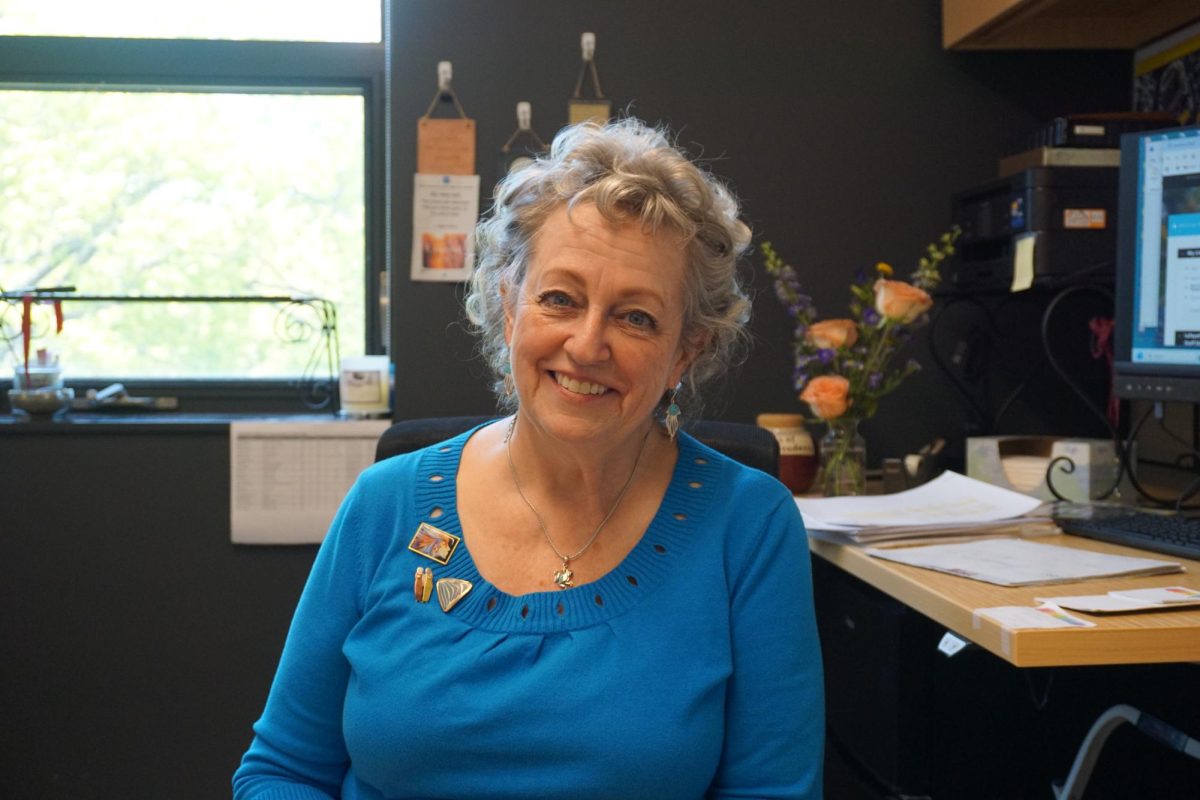
When Gabby Hochfeld arrived at Lafayette for the position, she said she “found out very quickly that there needs to be more community.” She is working on creating a mentorship program to connect queer students with faculty and staff.
However, Hochfeld is concerned about the fate of visibly queer programs on campus.
“I think we also need to be more future thinking, like, what is this worst-case scenario, and how do we make sure we’re safe?” she said.
Reckoning with a homophobic past
Has Lafayette changed since it was labeled the most homophobic campus in America? Using the Queer Archives is one way to evaluate this; despite struggles, interviewees highlight extremely supportive faculty, student-driven programming and administrative support past the turn of the 21st century.
For Ffrench, the answer is no, because of how difficult it was to create QPOC. But he hopes that’s changed in the few years since he graduated.
Many current students said yes, qualifying that there is always more to do. Some highlighted the creation of Lavender Lane as a big recent milestone and hoped the college would continue to actively bolster queer programming.
While it’s a “very good step,” Stadter said, that “doesn’t mean we’re done.”
For Jarkow, he hopes that Greek life will continue to become a more inclusive space and that more queer students will see it as an option to join.
“There were moments where, during rush, or a little before rush, where I was feeling like, ‘Oh, I’m gonna have to be the trailblazer for this,’ because if I don’t do this, I don’t know if anybody else will,” he said.
