



















































All full members of the Patriot League athletic conference, including Lafayette College, opted out of the NCAA’s new revenue-sharing plan, according to representatives for the institutions. The 10 schools are part of the small minority of NCAA Division I programs — just 54 of 364 — that declined to participate.
The Patriot League, a conference that brands itself as one of “scholar-athletes,” joined all eight Ivy League schools, the country’s military academies and a handful of larger state schools in opting out. The self-exclusion of the schools, which was previously unreported, followed a major June legal settlement that allows Division I schools to distribute up to $20.5 million annually to student-athletes.
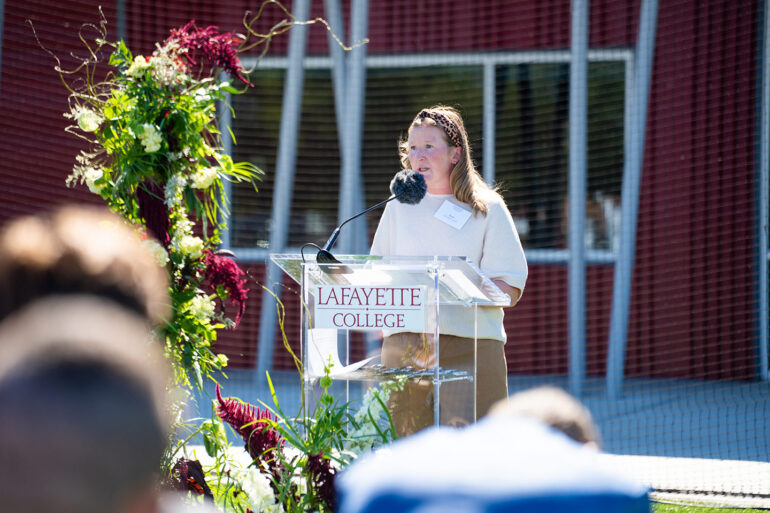
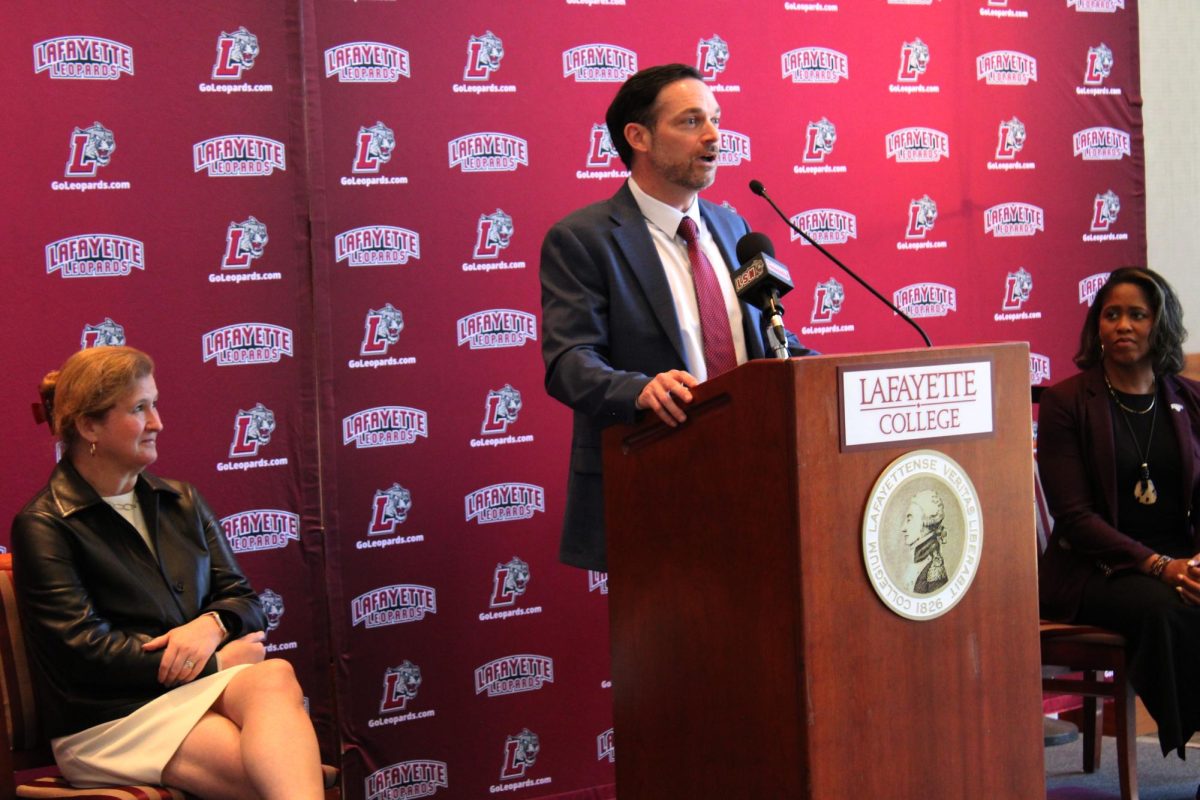
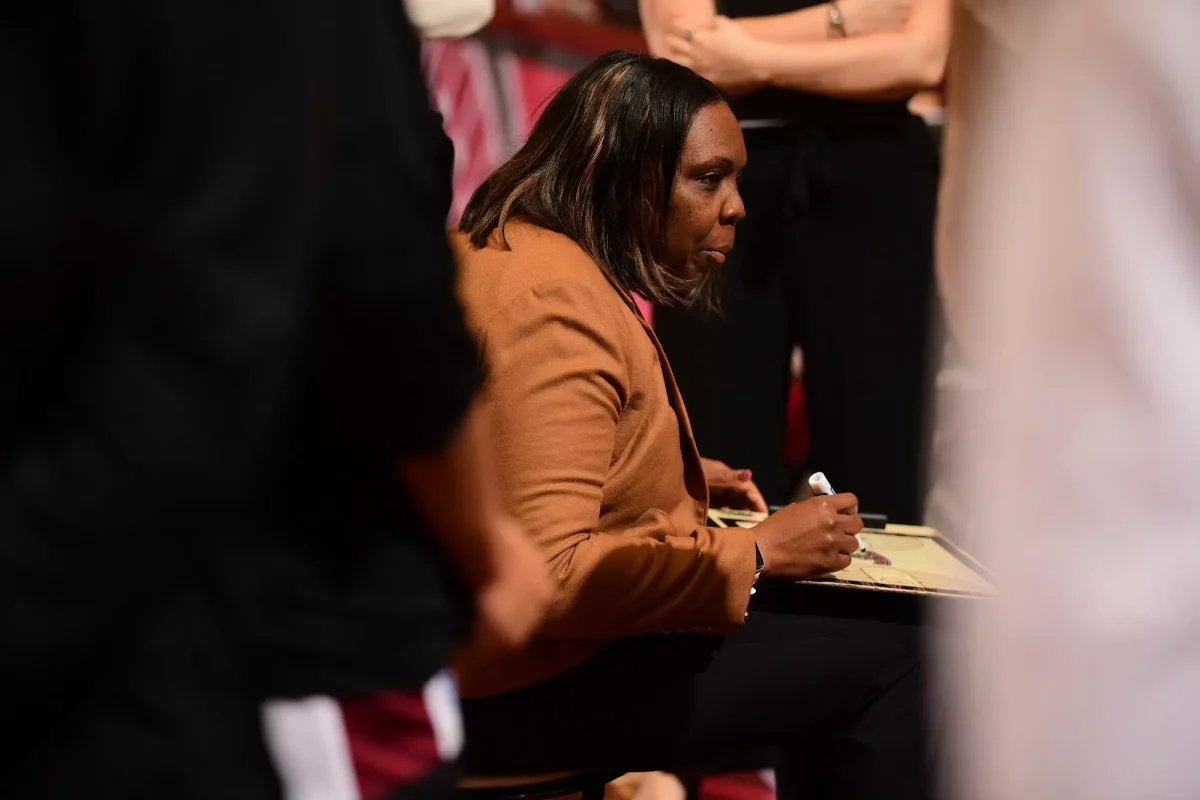
Lafayette College, one of the league’s founding members, opted out of the plan to “maintain the student-athlete experience,” according to Sherryta Freeman, the director of athletics.
“Their experiences as students still is the most important part of their student-athlete experience,” Freeman said. “I believe in the Patriot League, we will never stray away from that, even as the Division I landscape changes.”
Freeman did not rule out opting into the settlement in the future if doing so would not disrupt the “academic excellence and overall experience” of student-athletes. The deadline to opt into the settlement for the 2026-27 academic year is in March, according to the NCAA.
“We want to be more educated on how this is going to play out,” Freeman said.
Every full member of the Patriot League individually came to the decision to opt out, according to the representatives. Patriot League Commissioner Jennifer Heppel did not respond to requests for comment.
Some associate members of the Patriot League, including Richmond University and Georgetown University, chose to opt into the settlement.
Despite opting out of the revenue-sharing plan, Lafayette and other Patriot League schools will still be subject to some short-term NCAA revenue reductions to support another large component of the settlement: $2.8 billion in backpay for athletes who might have missed out on name, image and likeness deals from 2016 to 2024. The backpay is currently on hold, pending a Title IX-based legal challenge from eight female athletes.
To address these cutbacks, Lafayette made “some modifications” to its budget, according to Freeman.
“We feel very confident that we can navigate those reductions,” Freeman said. “We also had to think about how we increase our revenue, so we were trying to do that as well and also increase our philanthropic support.”
An NCAA spokesperson did not respond to specific questions about revenue reductions.
The athletic budgets of Patriot League institutions are dwarfed by larger conferences, and by opting out of the revenue-sharing plan, the schools may face recruitment disadvantages, something Freeman said would not be a new obstacle for Lafayette.
“We know we don’t have the same operating budget that schools in the Big Ten or the ACC have,” Freeman said. “Our recruiting landscape will still remain that there are going to be schools that have more to offer from a budgetary standpoint than what we do at Lafayette, and we’ll just continue to manage it as we have been.”
Although opt-in schools will be able to offer more money to student-athletes, those schools will have to operate under stricter roster limits for each sport, which could potentially open the recruiting pool for opt-out schools, according to Lafayette football head coach John Troxell.
“I think there’s going to be more players available for us to recruit because they’re not allowed to take as many at the highest levels,” Troxell said.
Dan Sullivan ‘27 contributed reporting.
Editor’s note: This article has been updated to include the finalized number of opt-out Division I institutions.