














































Student Government rolled out a new pilot program last week to provide student organizations with a direct line of communication to Student Government representatives. So far, 13 of the over 100 total student organizations on campus have signed up.
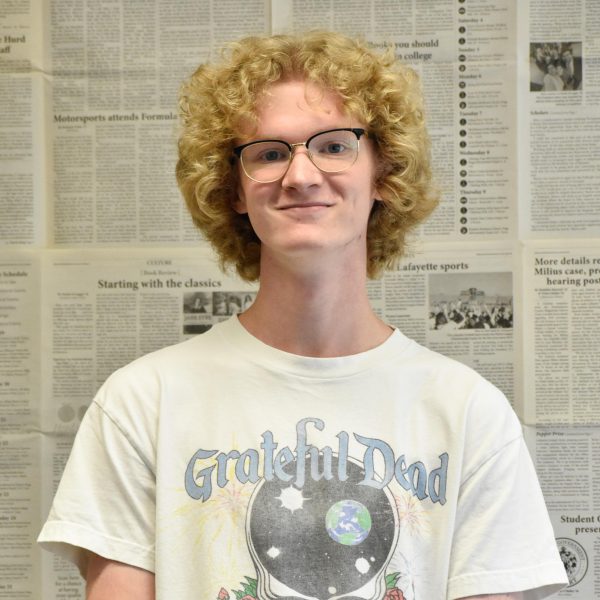
“We don’t really get to see what you guys are up to on a long-term basis and understand how money is being spent,” said Student Government Inclusivity Officer Luna Garces ‘27, who spearheaded the program.
Garces and Student Organizations Committee Chair Milan Iezzi ‘28 said that the program pairs club delegates with Student Government members to create a two-way channel of communication between the organizations.
Club delegates are expected to attend two Student Government general body meetings and one committee meeting per month, while their Student Government counterpart attends one club meeting per month, according to Garces.
“We want to make sure that the rollout is professional,” Iezzi said. “Not only are we making it fair and equitable for the clubs, we want to ensure the best quality of the system.”
Garces and Iezzi worked collaboratively to organize the program and ultimately got its approval in a Student Government meeting over the summer.
Garces noted that she took inspiration from her involvement in the Panhellenic Council, where each sorority has a delegate attend council meetings to form a two-way relationship.
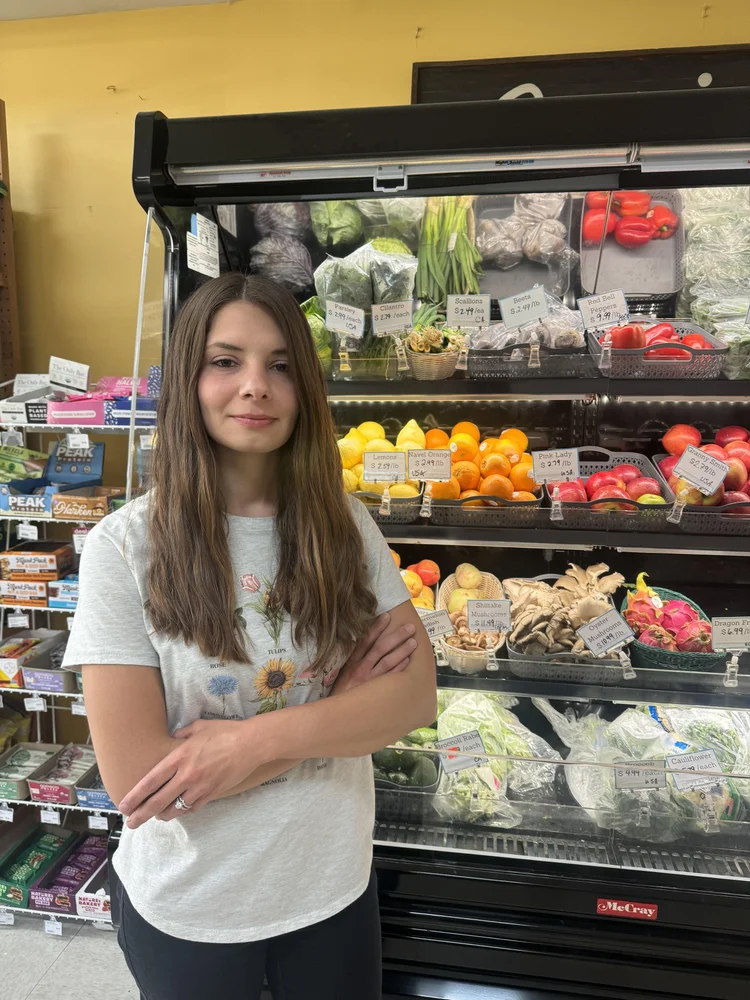
Lafayette Food and Farm Cooperative — a student organization that connects students to sustainable agriculture through volunteer work at the campus farm — is one of the 13 clubs that have joined. Harrison Zoller ‘27, the club’s president, said he saw the program as a way to build a greater connection for LaFarm.
“A lot of people I speak with have never been up there,” said Zoller of the farm. “I saw this as an opportunity to build that bridge, not only with Student Government, but with the rest of the student body.”
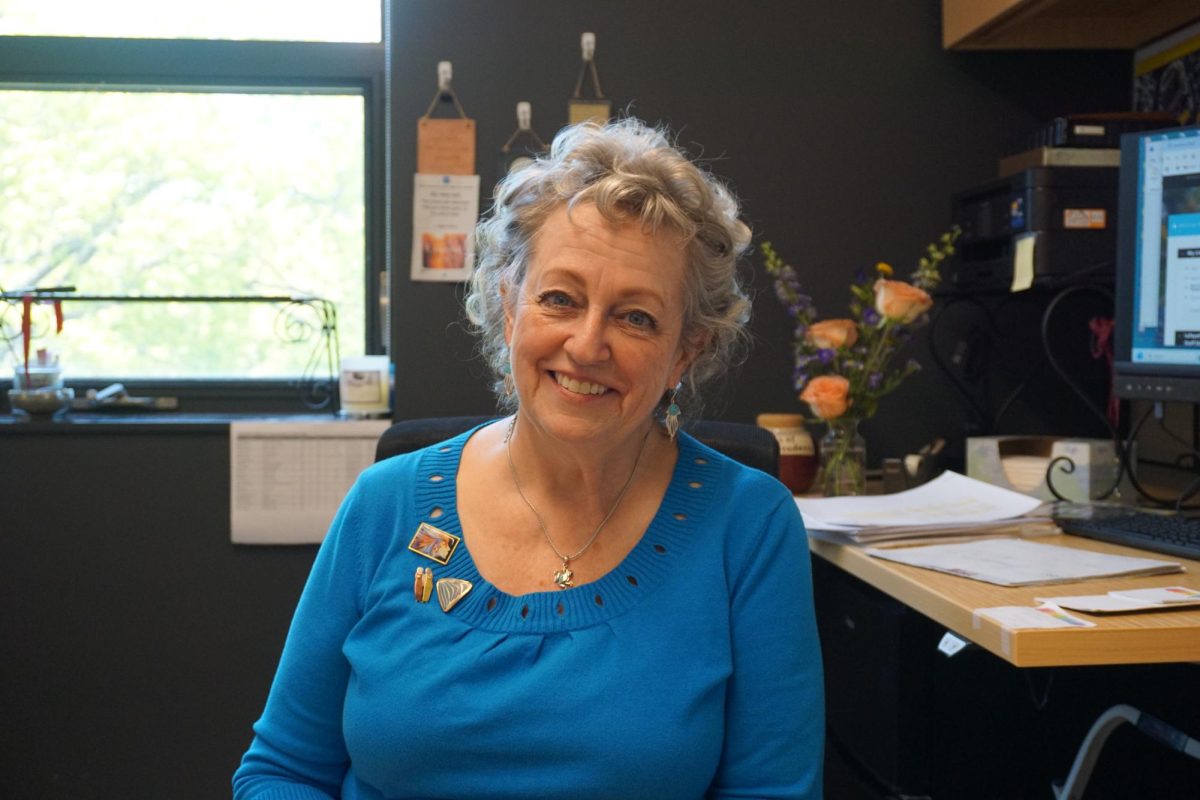
Kaileyn Batista ‘28 also joined the program as a delegate to represent clubs NIA and Bohío Association, affinity groups for students of color. She said the decision to join stemmed from wanting both communities to have a stronger voice and greater access to necessary resources.
“Budgeting is a huge problem in both of our clubs,” Batista said. “We have a lot of hard times getting funding, and that’s very frustrating.”
“I think it’ll be beneficial on both sides to see where we’re coming from and also for Student Government to see why we need the money and actually engage in our events,” Batista continued.
Still, a significant number of clubs have not joined. Pacey Ely ‘26, the president of Engineering Without Borders, said that the student organization chose not to participate in the first round of the program due to practicality.
“EWB already has a pretty well-established reputation and base at Lafayette,” Ely said. “A lot of our membership comes from engineering, so if we’re going to advertise, it will mainly be to the engineering department.”
He also noted that the organization has roughly 30 to 40 members at each meeting, putting them on the larger side of student organizations.
“I think it is a good idea, especially for smaller clubs when they don’t have that foundation,” he added.
As the semester continues, both Garces and Iezzi said they are open to development and strengthening the program.
“With the understanding that our population is diverse, this will be subject to and will change according to the needs of the student body,” Iezzi said.