














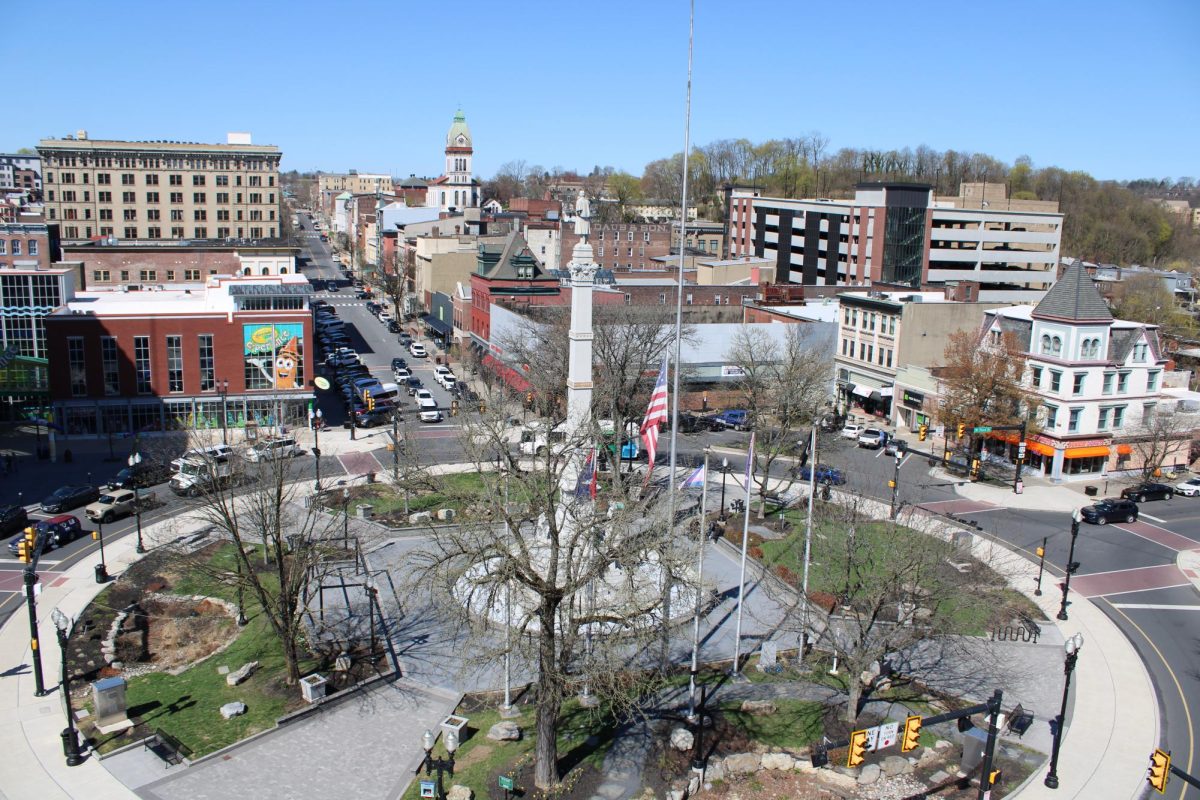











































Environmental experts and residents voiced concerns at Monday night’s Easton Zoning Board hearing, continuing discussions on a special exception needed by developers for their proposed 1-million-square-foot warehouse in Easton.
The special exception calls on the board to permit the relocation of a Bushkill Creek feeder stream running through the planned warehouse site, the final hurdle in the project’s approval for developer Scannell Properties and a permit that the city’s planning commission recommended against in August.
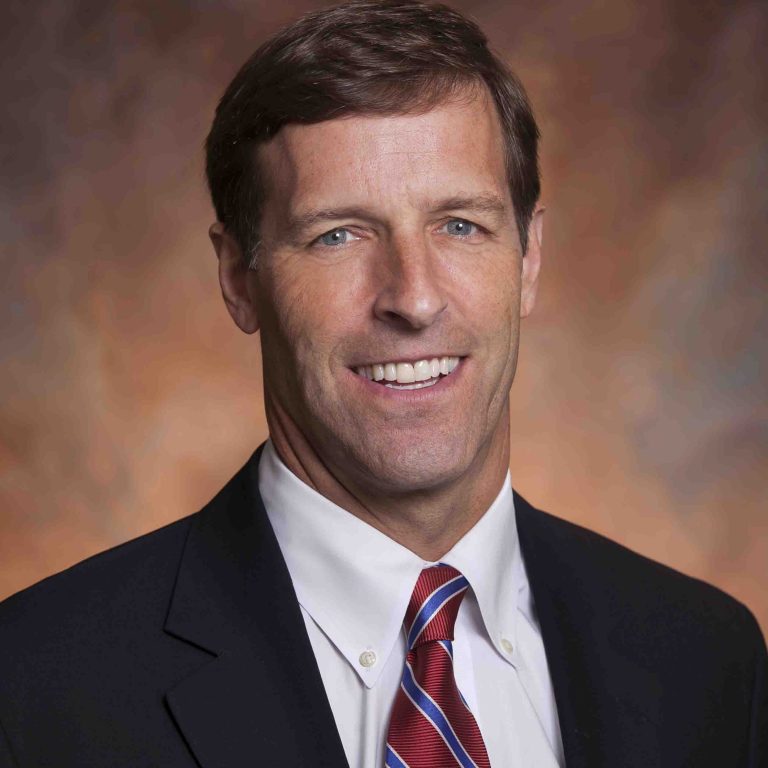
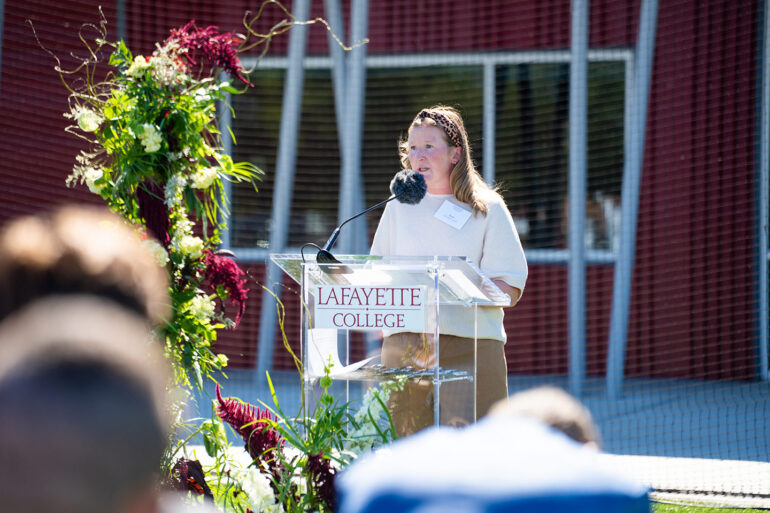
David Brandes, a Lafayette College civil and environmental engineering professor, spoke for over an hour at the meeting, which was the fifth city public debate on the project this fall.
Brandes alleged errors in the studies that Scannell Properties relied on to argue for the permit. He said one study, used to estimate the impact of moving the feeder stream, was inaccurate because it did not account for different conditions that the watershed could face, such as a high potential for runoff.
“Stream stats, in many cases, certainly the way it is used here, are not an appropriate or valid tool,” Brandes said of the methods used in Bogia’s reports.
“I don’t think winging it is a part of engineering,” Brandes added.

A model of this specific watershed would need to be conducted to get a proper estimate of potential impacts, according to Brandes.
Attorney Marc Kaplin, who represented Scannell, challenged Brandes’s findings. In questioning the latter, Kaplin argued Scannell had acquired the necessary permits for the movement of the stream from the Department of Environmental Protection and the Army Corps of Engineers, as presented in a previous meeting.
City Solicitor Robert Nitchkey said that acquiring such national permits did not supersede the need for the developer to acquire special exceptions from the City of Easton, and the city’s decision would take precedence.
“We have a difference of opinion between one expert and another,” Nitchkey said. “That’s what it’s going to come down to.”
In public comments, multiple Easton area residents testified regarding concerns of additional flooding in the region that the warehouse’s development might cause.
Kaplin did not allow for questions to be answered by Bogia Engineering’s Donald Haas until the public comments had finished, addressing questions that had been raised in one statement.
Zoning Board Member Pam Panto — the wife of Easton Mayor Sal Panto Jr. — criticized this decision, arguing that withholding all responses until the last 15 minutes of the four-hour meeting did not allow time for further questions or comments, especially because Brandes had already left the meeting.
The discussion regarding this special exception will continue at a meeting on an unspecified future date. Final deliberations and voting on the project, which had recently been slated to take place on Dec. 3, will be rescheduled, with Nitchkey alluding to the fact that they may not take place until 2026.