



















































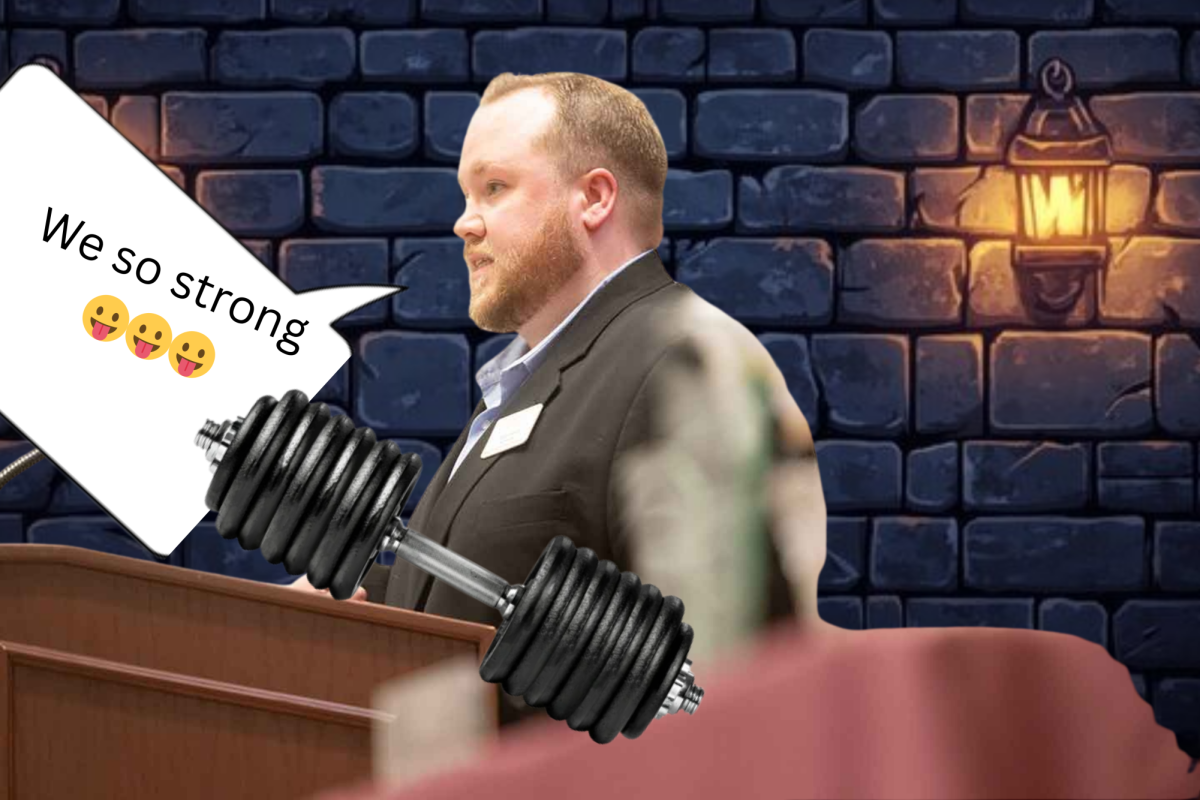




In an era of acetaminophen health scares and microchip mass hallucinations, a Lafayette College alum is making it his mission to restore the public’s faith in science, one presentation at a time.
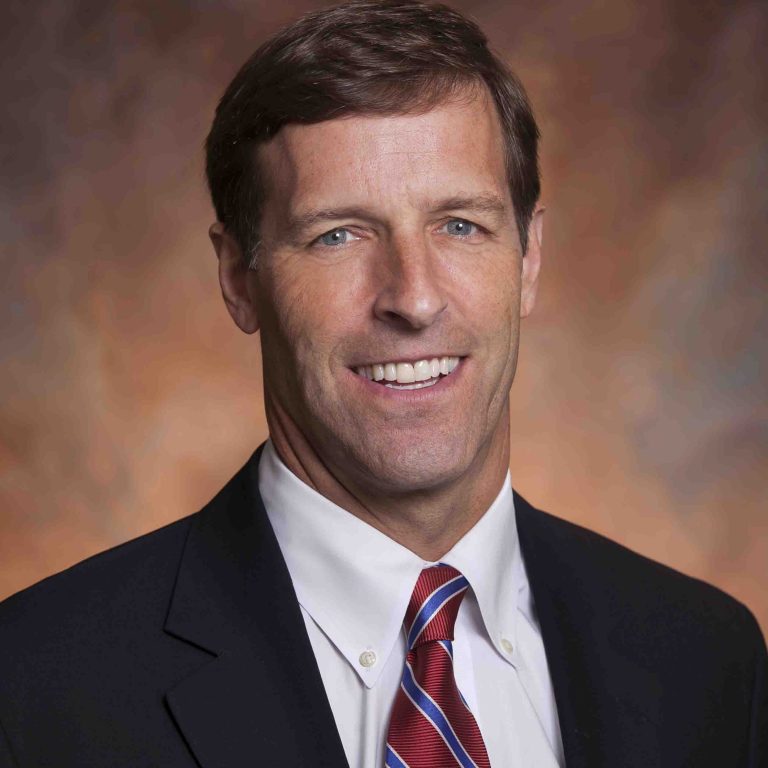
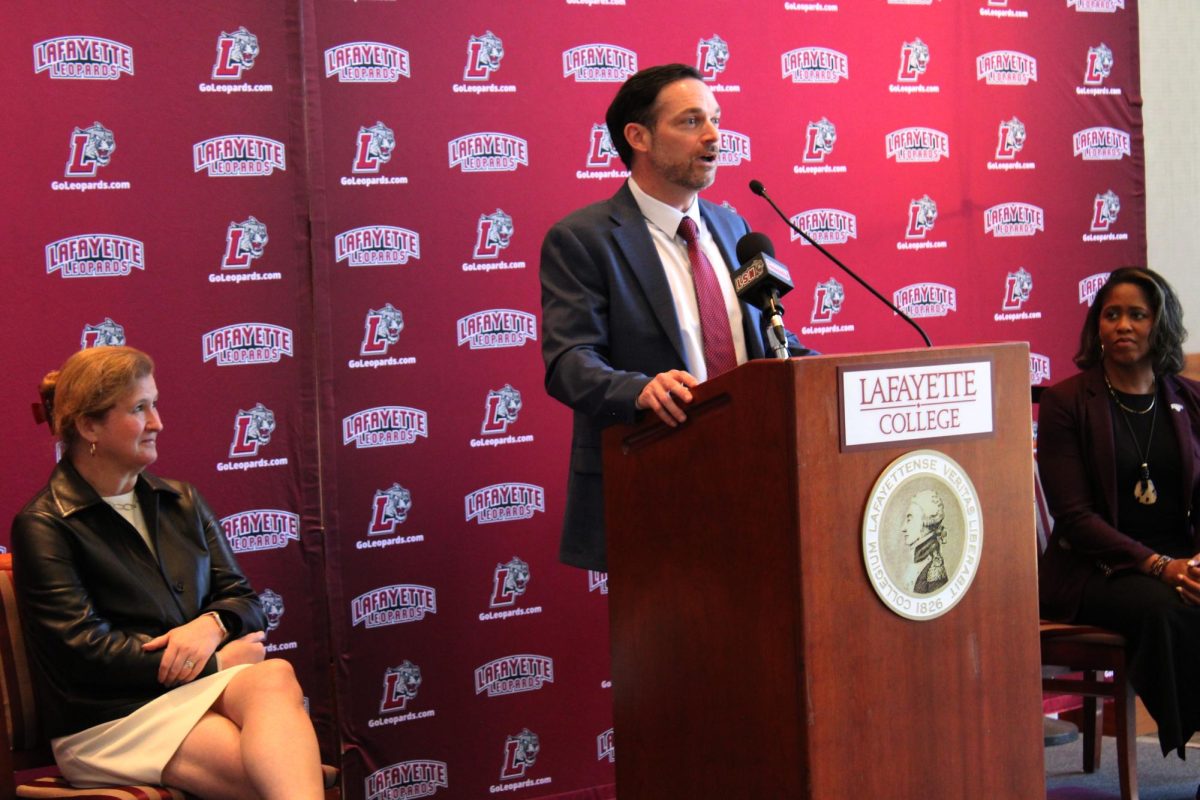
In his Tuesday talk, “Telling the Truth: The Existential Threat to Science and Medicine,” Glenn Rall ‘85 drew on his current position as chief academic advisor at Fox Chase Cancer Center and years of experience to demonstrate the current pitfalls of scientific communication and explain how the misinformation age began.
“What we’re facing is that 42% of Americans believe that science, the thing that we’ve dedicated our careers to, has either had a negative or a neutral impact on society,” Rall explained.
He believes that the proliferation of mass distrust in the scientific community isn’t the fault of any one person or group, but the collective scientific community’s inability to effectively communicate information in an accessible manner.
“I believe in the immense power of science,” Rall said. “I believe in the public’s right to understand the scientific process, and I think that we as scientists are often terrible communicators about this.”
“We don’t set out to prove things,” biology professor Nancy Waters echoed. “We are cautious in how we speak about it, and the public interprets caution as, ‘They don’t really know,’ and, ‘They’re hedging their bets,’ when that’s not the case at all.”
Using the COVID-19 pandemic and other health scares as a point of reference, Rall argued that when credible, digestible information isn’t properly disseminated, it leads to increasing ideological divides in the culture. He also mentioned aversion to the Johnson & Johnson vaccine, which was avoided by many because 15 of 8,000,000 people in clinical trials developed blood clots.
“You know what else causes blood clots?” Rall asked. “COVID. In fact, in severe cases of COVID, 20 to 30% of individuals develop blood clots.”
Attendees Nicole Martinez ‘28 and Jason Appiah ‘27 shared their experiences after the talk.
“I feel like it just makes people skeptical and just very afraid,” Appiah said of the public dialogue involving blurred lines in health communication.
“You have people who are preaching these vaccines, like, these are the end-all be-all, they’re gonna cure humanity,” said Martinez, a Texas native. “On the same street, you will have people who are like, ‘These vaccines are literally gonna cause instant autism, and if you give it to your children, they are going to die.’”
Rall insisted that while the mistrust in the scientific community is understandable, the vast majority of contributors to the scientific data pool are well-intentioned and well-principled. He referred to the fact that fewer than 0.1% of published research contains any intentional misconduct, and that it just so happens that any time someone screws up, it is highly publicized.
“When that happens, the public is like, ‘Yep, I knew it, scientists are no more ethical than anyone else,’ because it’s so high profile and attention-grabbing,” he said.
Rall said he hasn’t lost hope in a brighter, more educated tomorrow and believes the way out of this crisis of competing agendas is for individuals to speak up on these issues when it’s right.
“Call bullshit when you hear it,” Rall said.
“You have an impact,” he continued. “You have the capacity, in small ways, to change that environment around your orbit. And if enough people do that, I am naively positive enough to think that will make a difference.”