






















































Civil rights activist Rev. Jesse Jackson, a protégé of Martin Luther King Jr. and leader of the civil rights movement, died on Tuesday at the age of 84.
A Baptist minister and two-time presidential candidate, Jackson lived with progressive supranuclear palsy, a neurological disorder, for over a decade, according to a USA Today report. His family did not specify the cause of his death.
Jackson spoke at Lafayette College in March of 1984 during his first presidential campaign. He presented to an audience of 2,700 at the college’s gymnasium, a crowd larger than the entire student body at that time.
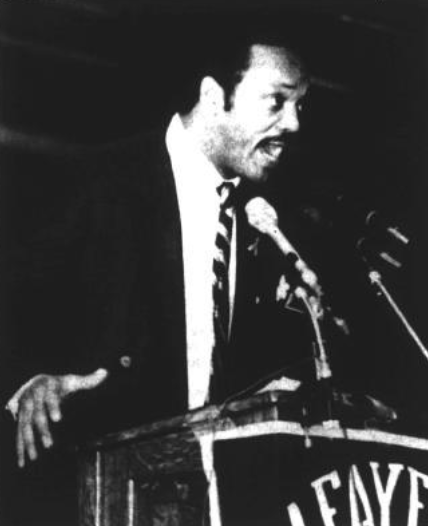
The activist presented to what was then a “conservative campus, like a Reagan-era kind of establishment,” according to Paul Brodeur ‘86, who was in attendance. The renowned public speaker still managed to make a positive impression, however.
“He was interrupted at least 21 times by applause and cheering from the audience,” The Lafayette wrote at the time.
“It was just such a great thing to have such a prominent person with such an inspiring message come and talk,” Brodeur said.
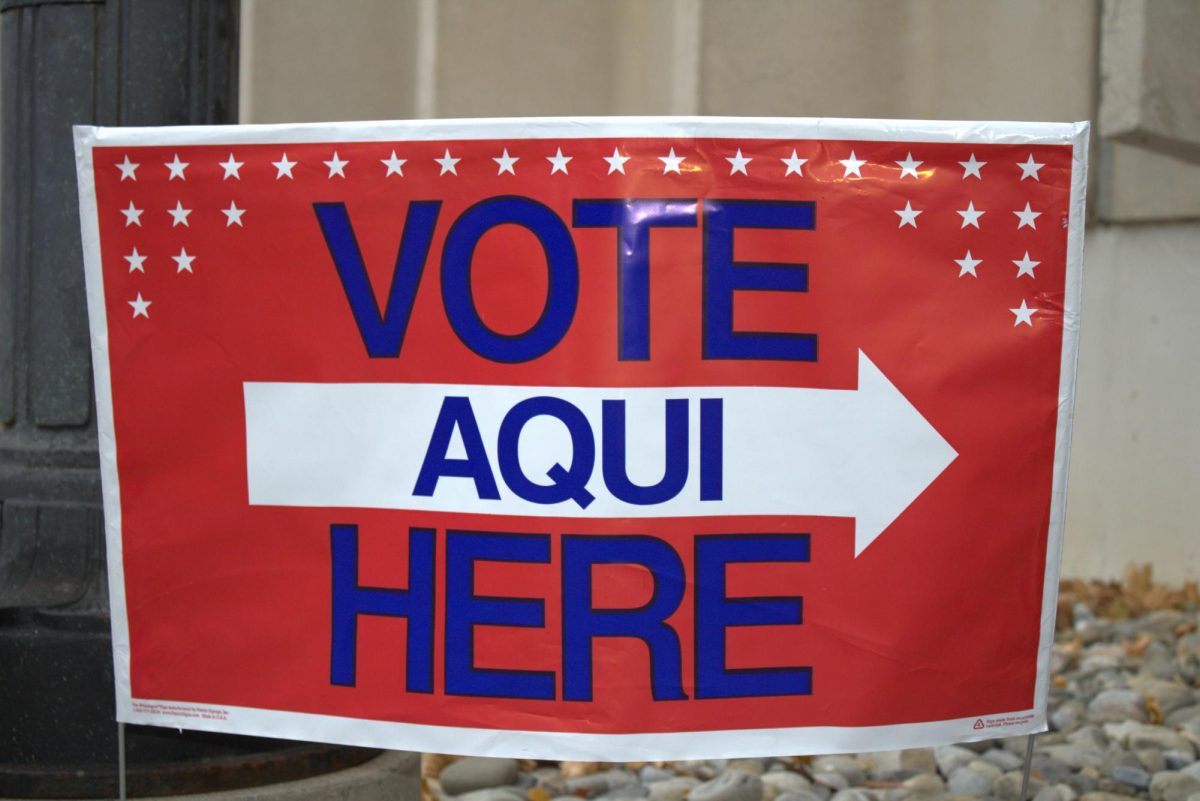
Jackson criticized American society under President Ronald Reagan, specifically highlighting his concerns with poverty and defense spending. He ended his speech by encouraging students to register to vote, which led to an estimated 200 to 300 students lining up to register.
“‘The Freedom Train is coming, and you have to be registered to ride’ — that was his pitch to get folks to register to vote and exercise the franchise,” Brodeur said. “Kids were pouring down out of the rafters to go to sign up.”
Lafayette College’s Association of Black Collegians tried to bring Jackson to the campus for years prior, including one attempt to have him speak at a Black political and economic development conference in 1978, according to a November 1978 edition of The Lafayette.
An Oct. 26, 1984, article in The Lafayette cited Jackson’s efforts in registering new voters with renewed student and national interest in voting. Across the country, Jackson was credited with registering over 2 million new voters, primarily among Black, Hispanic and lower-income white populations.
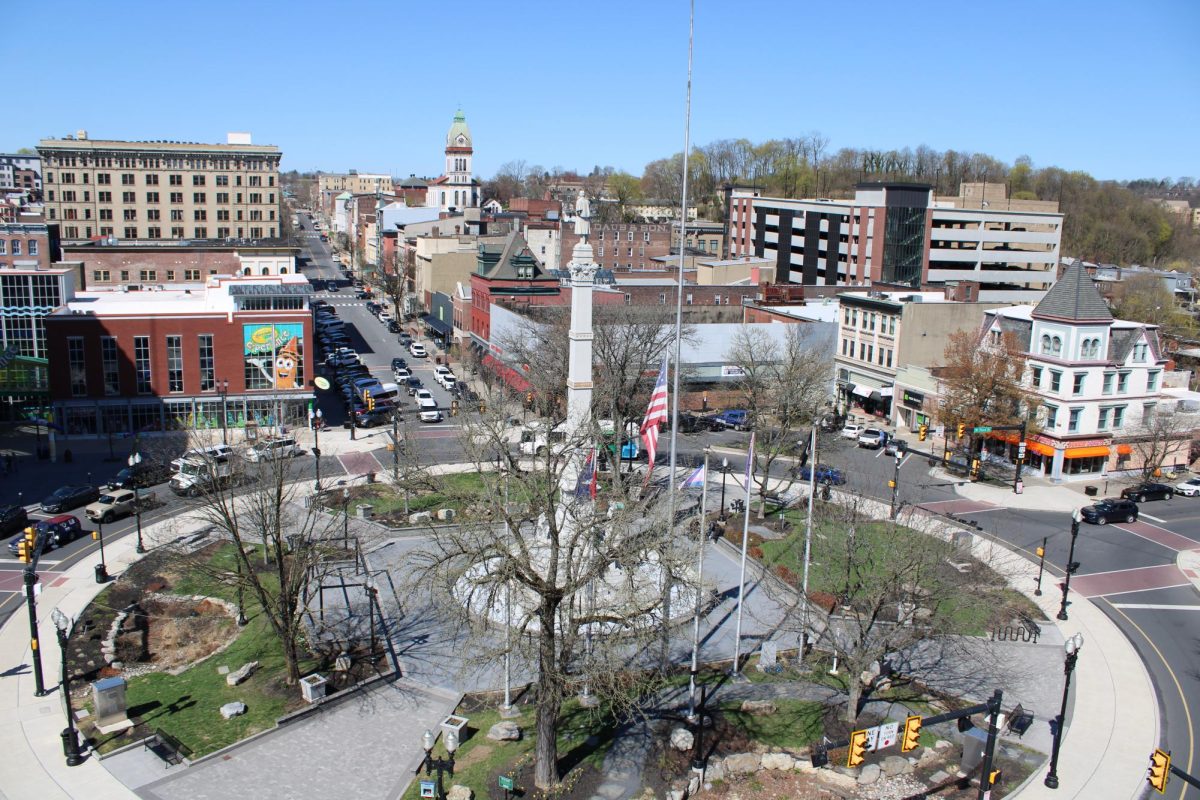
The event ended with Mayor Sal Panto Jr., then in his first year as mayor, presenting Jackson with a key to the city.
Jackson’s accomplishments included founding Operation PUSH in 1971, an organization aimed at securing jobs, fair loans and contracts for Black workers. He later founded Rainbow/PUSH Coalition, merging two organizations he previously founded and expanding his activism to highlight women, LGBTQ+ communities and immigrants.
Later in life, he was elected as one of Washington, D.C.’s, first shadow senators, a position for unpaid elected officials who cannot vote in Congress for constituencies without a representative. His son, Jesse Jackson Jr., served as a representative for Illinois from 1995 until his arrest for campaign fraud in 2012. Jackson Jr. is currently running to reclaim his old seat in the 2026 Democratic primary.
Jackson’s legacy also reverberated into Lafayette College’s course curricula, with an Africana Studies class, Black Social and Political Thought, featuring his philosophies until it was last offered 2015.