
























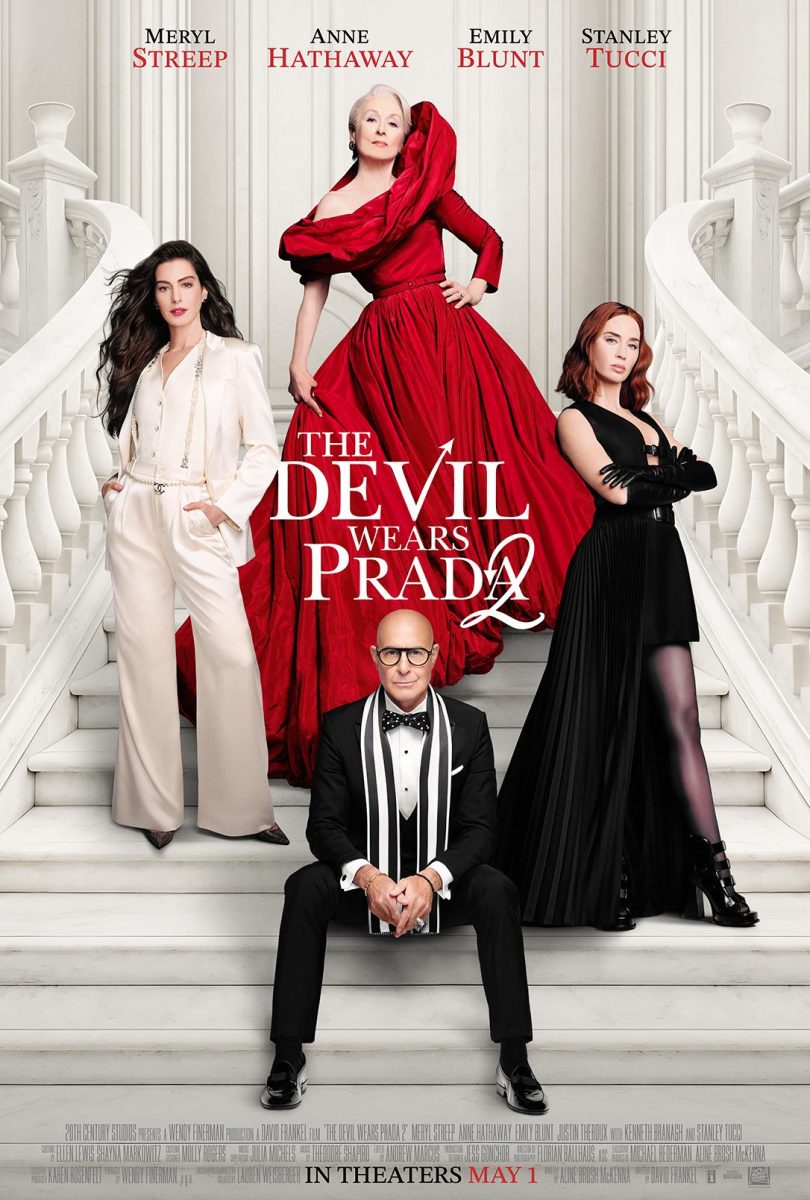



































The sequel has become so pervasive in Hollywood today that people have taken to forums to bash studios for not having original ideas. This trend is undoubtedly quite common, with Disney being a main culprit of the remake agenda. We need more live-action remakes of already amazing animated movies, right?
While this is obviously an issue that plagues the movie industry, it’s nothing new. It was the same concept in the 1940s when Universal Studios was pumping out monster movie sequels like rabbits in July.
However, I’ve found that the sequel industry often suffers from a separate failure that offends audiences without them necessarily recognizing why. I call it the “Unintentional Parody.” This disorder is mostly reserved for the unplanned sequel — films made after the success of the first one in hopes of pilfering more money — but isn’t exclusive. Here are a few cases that highlight variations of this disorder.
Firstly, I’m taking us back to the 1980s to examine the glorious films of Indiana Jones. “Raiders of the Lost Ark” (1981) is my favorite movie of all time, and you’ll hear nothing derogatory about it from me. However, the rest of the “original trilogy” does fall into the Unintentional Parody category.
As many fans know, George Lucas pitched Indiana Jones as the American James Bond. Despite this, in “Raiders,” he has distinct character traits that differentiate him from Bond to the point that you wouldn’t even know this fact. Then you watch “Indiana Jones and the Temple of Doom” (1984), which sets the tone with a slightly racist, very Bond-esque opening that feels nothing like the first movie. He is no longer the same character, and the only reason you recognize him is that he’s still played perfectly by Harrison Ford.
Meanwhile, in “Indiana Jones and the Last Crusade” (1989), Jones becomes more comedic, even slapstick at times. He’s written more similarly to the first film, but there’s still a distinct difference between the two. In this case, I think it works. “The Last Crusade” has a lighter tone, and the father-son dynamic is an excellent addition to the series, even though the parody is still identifiable.
While the lean into the character derivation is pretty unique to the Indiana Jones movies, comedic misrepresentation is fairly common. The “Pirates of the Caribbean” pentalogy starts strong and ends dramatically weak due to this.
In the first of these movies, Jack Sparrow is presented as a drunken, strange, albeit incredibly ingenious pirate who schemes his way out of almost any situation. Yet, as the series continues, he becomes more drunk, more strange and less ingenious. With little agency, he relies mostly on sheer luck to get his way through the story. Though this is less of an issue in the first few, the tone shifts away from seriousness and becomes more campy.
Where the Unintentional Parody becomes a larger issue is in the “Knives Out” series. Specifically, “Glass Onion: A Knives Out Mystery” (2022) takes the beloved Benoit Blanc and butchers him. In the first one, he’s a silent, contemplative, admittedly dramatic detective, but at best, he’s a supporting character. Instead, “Glass Onion” decides to make him the protagonist and exaggerate the worst parts of his personality. He’s louder, funnier — maybe — and somehow his accent is more annoying. Luckily, they follow in Indiana Jones’s footsteps and save him in the third movie, but the Unintentional Parody leaves a stain not easily washed.
It’s hard to ignore one movie in a series when it’s obviously connected, so if you’ve made a movie without a planned sequel, why make a sequel at all?