

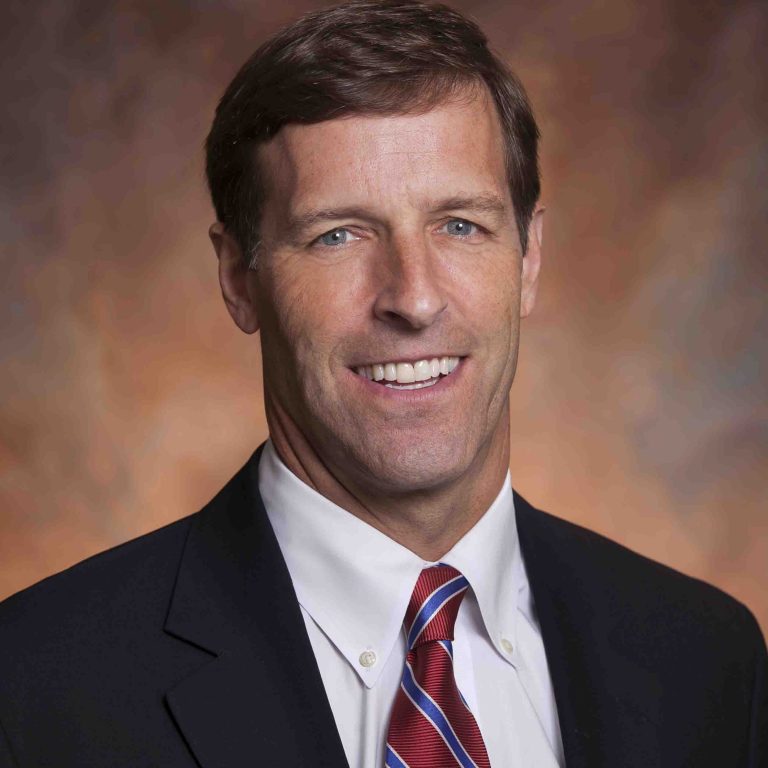
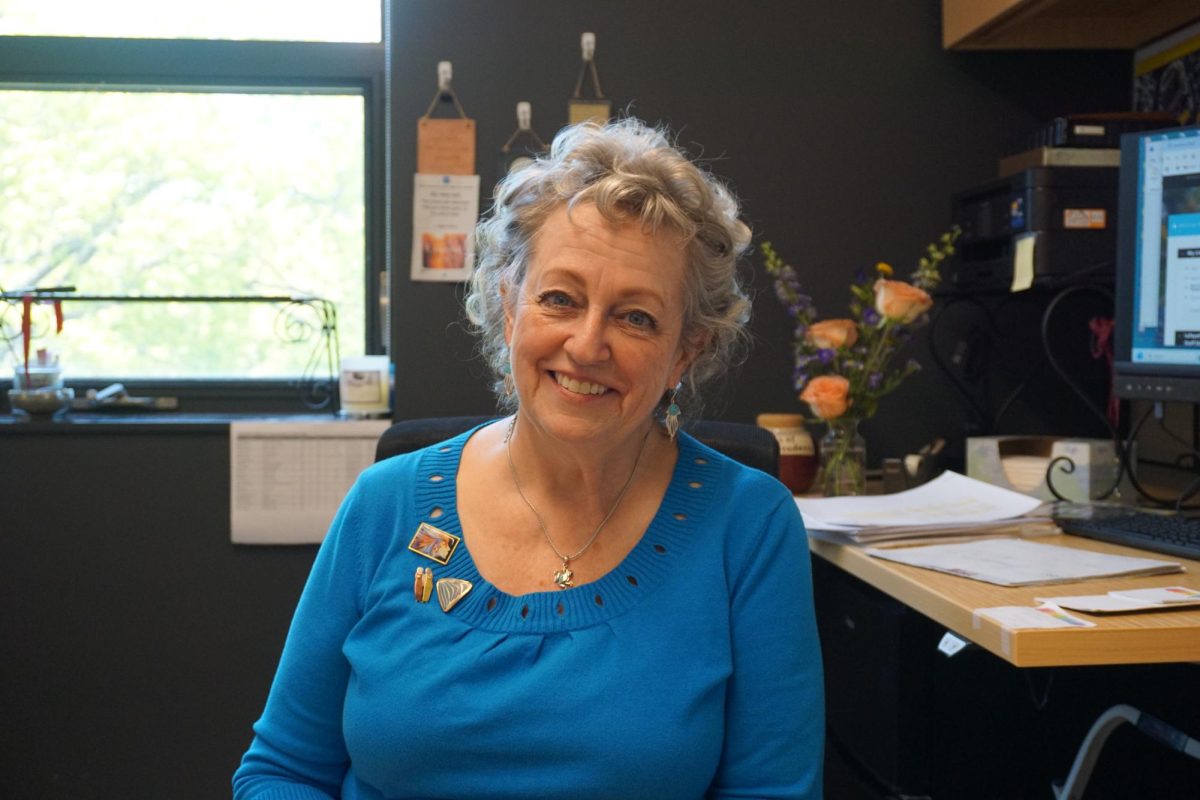
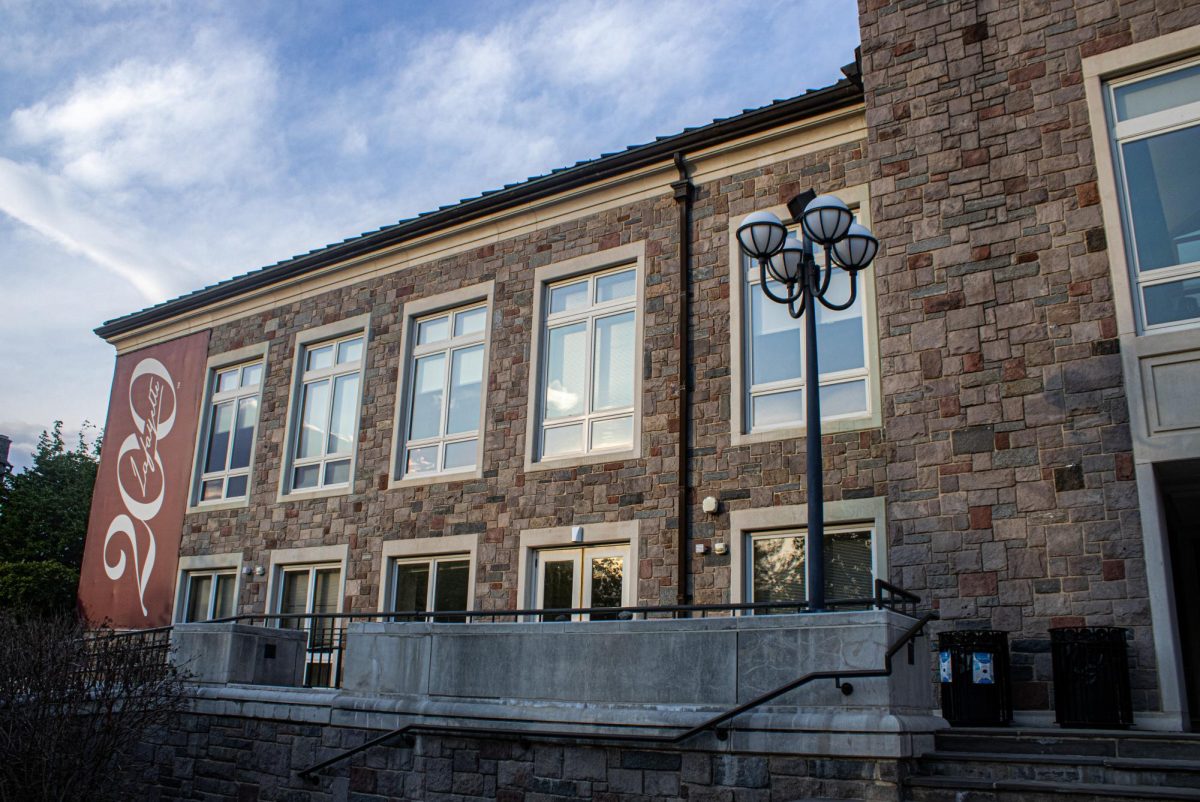

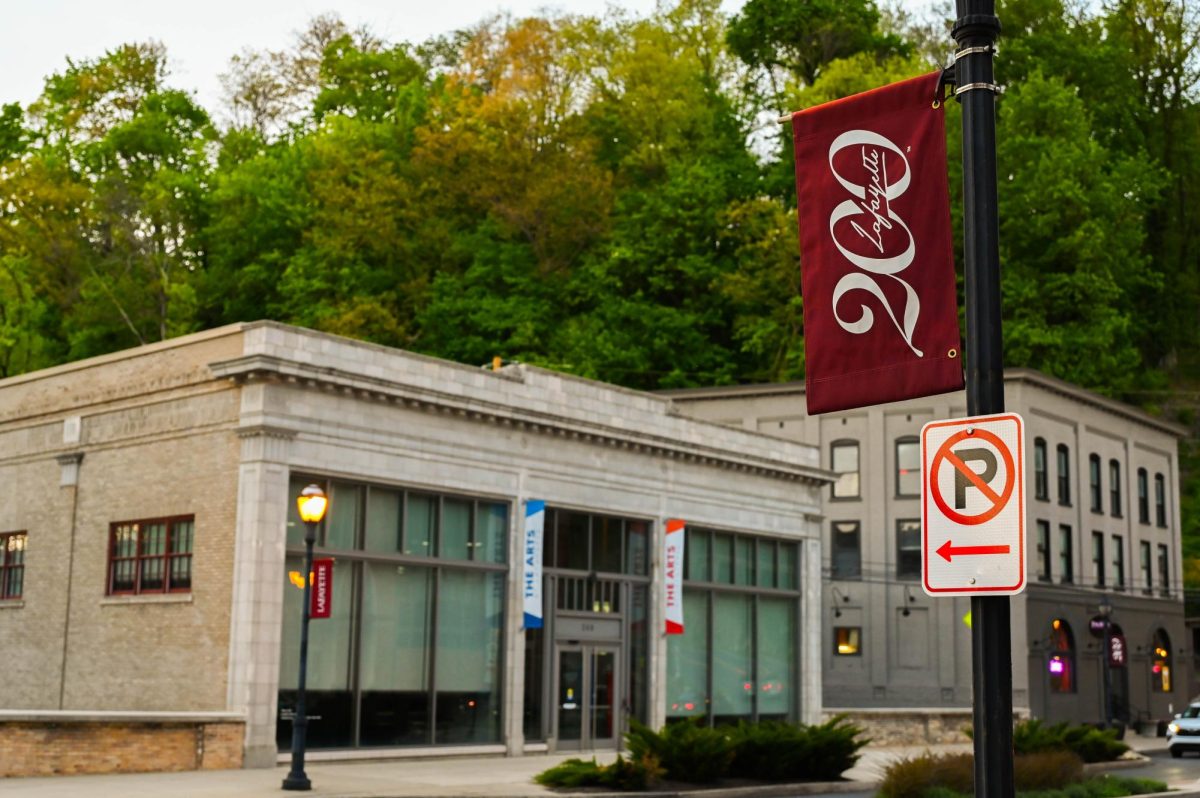
























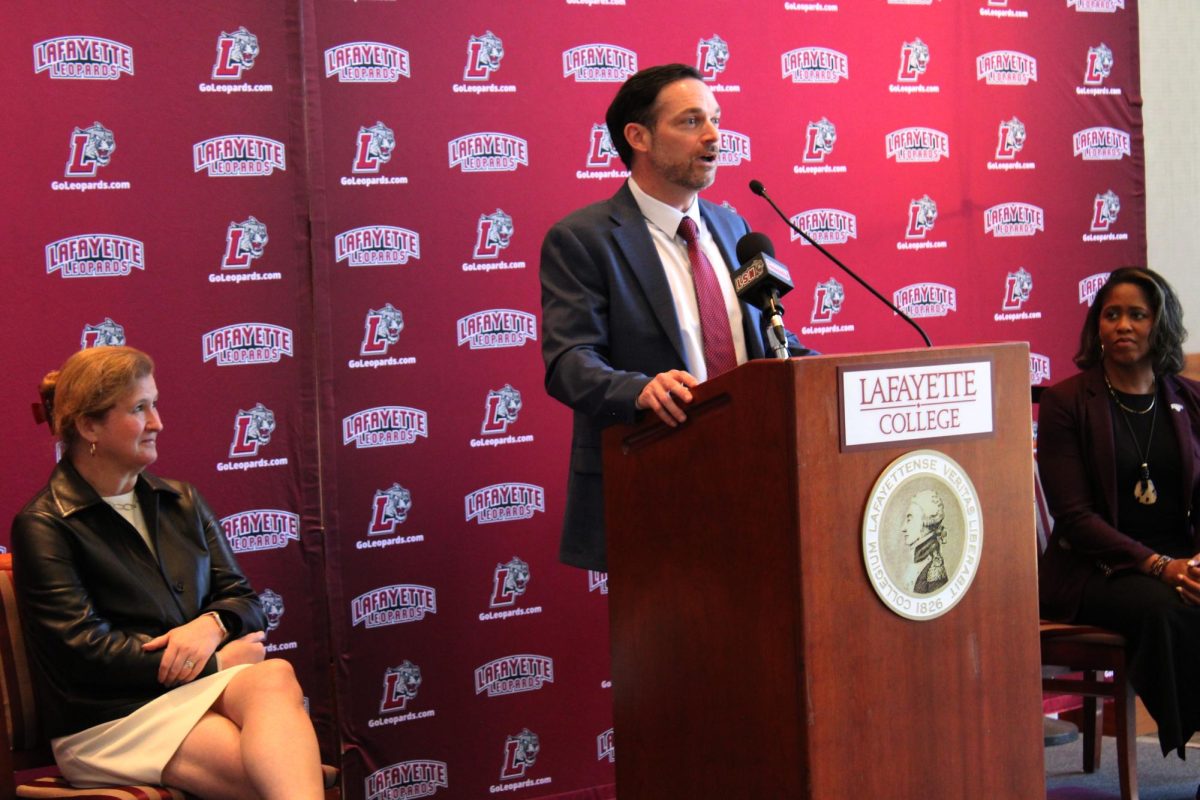








Richard Koplin ‘64 is offering a $1,000 reward for anyone who can present a “bona fide image” of David McDonogh ‘44 — 1844, that is.
The ophthalmologist and co-producer of “The Language of Sight,” which premiered on Friday with a crowded showing for the college’s Williams Center for the Arts, said that finding an image of the first Black alum of the college was strangely difficult.
“I see him as either Denzel Washington or fat and bald, and he didn’t want any pictures,” said Kim Sykes, the director of the show. “He was there with Fredrick Douglass, and nobody was more photographed than him.”
“It’s like he didn’t exist then,” Koplin added.
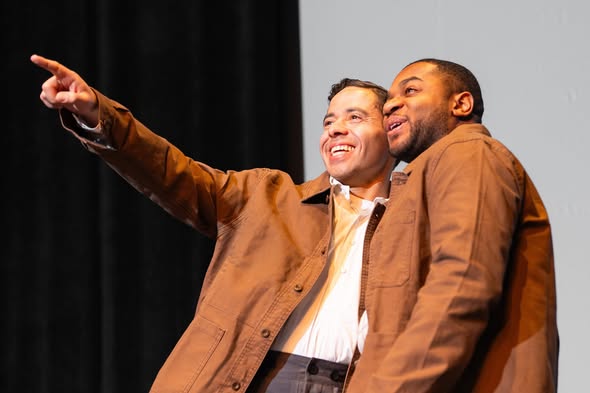
“The Language of Sight” follows David McDonogh as he defies John McDonogh, his slave owner, embarking on a journey that would lead him to become the first Black ophthalmologist in the United States. Koplin has been researching the alum for over 20 years after discovering similarities between the two of them.
“I was entranced by the fact that this enslaved person could become a full-fledged physician in the 1830s and 40s,” Koplin said. “That made me research it, and when I got to the end of the story, it turned out that he was trained by the very man who founded the hospital I’m the chief of eye surgery at.”
John McDonogh sent David and Washington McDonogh, two unrelated enslaved men, to Lafayette College on the condition that they serve as missionaries in Liberia after their graduation.
“He was a strange man,” Koplin said about John McDonogh. “He has an experiment to have his slaves work an extra day every week to earn their freedom, but they couldn’t stay in the United States.”
Washington McDonogh went to Liberia — David McDonogh refused.
Despite viewing David McDonogh with respect, John McDonogh still felt that Black and white people were incapable of co-existing. During the play, this was examined in an imagined argument between the slave owner, David McDonogh and Marquis de Lafayette, who was an abolitionist.
“There would be chaos,” said John McDonogh’s character, played by actor Neal Lerner, during the show.
Former college archivist Diane Shaw, the primary researcher behind the project, said that she read 200 letters relating to David McDonogh.
It was a unique situation that allowed David and Washington to achieve college educations in the 1840s.
“Lafayette College was positioning itself as a college where you could send African-American students to Liberia,” Shaw said. “Lafayette needed money.”
In an informational panel before the show’s premiere, Sykes spoke about a realization that she had after watching “Hamilton,” produced by recent Jones Visiting Lecture guest Lin-Manuel Miranda: “Americans are hungry for our stories.”
“I want to light fires in people’s minds,” she said.
“Lafayette College has been tremendous,” said Russel Koplin, a co-producer of the show and Richard Koplin’s daughter. “This is the start of something tremendous.”
Some of the actors have diverse backgrounds. J.D. Mollison, the lead who plays David McDonogh, had minor roles in “Law and Order,” “Madam Secretary” and “Shameless.”
“I thought it was cool to talk about the history of Lafayette in general because I didn’t know any of that about our history,” Julia Sealing ‘27 said. “Seeing where we started and how far we’ve come since then, I thought was really cool.”
Those who missed the show can also pay a visit to David and Washington McDonogh at the “Tales of our Brothers” exhibit in Pardee Hall.
To submit any found photos of David McDonogh, email Ty Furman at [email protected].