
































































As college students nationwide dream of spring break vacations, the second Trump administration continues to apply pressure on higher education institutions across the country. Lafayette College has held firm, however. Administrators have preserved key positions and divisions across campus.
The Trump administration’s efforts to roll back diversity, equity and inclusion efforts nationwide have yielded mixed results. A federal judge in New Hampshire officially nullified the Department of Education’s February 2025 “Dear Colleague” letter last Wednesday. A day later, however, a federal appeals court allowed a federal directive to terminate “equity-related” research funding to go forward.
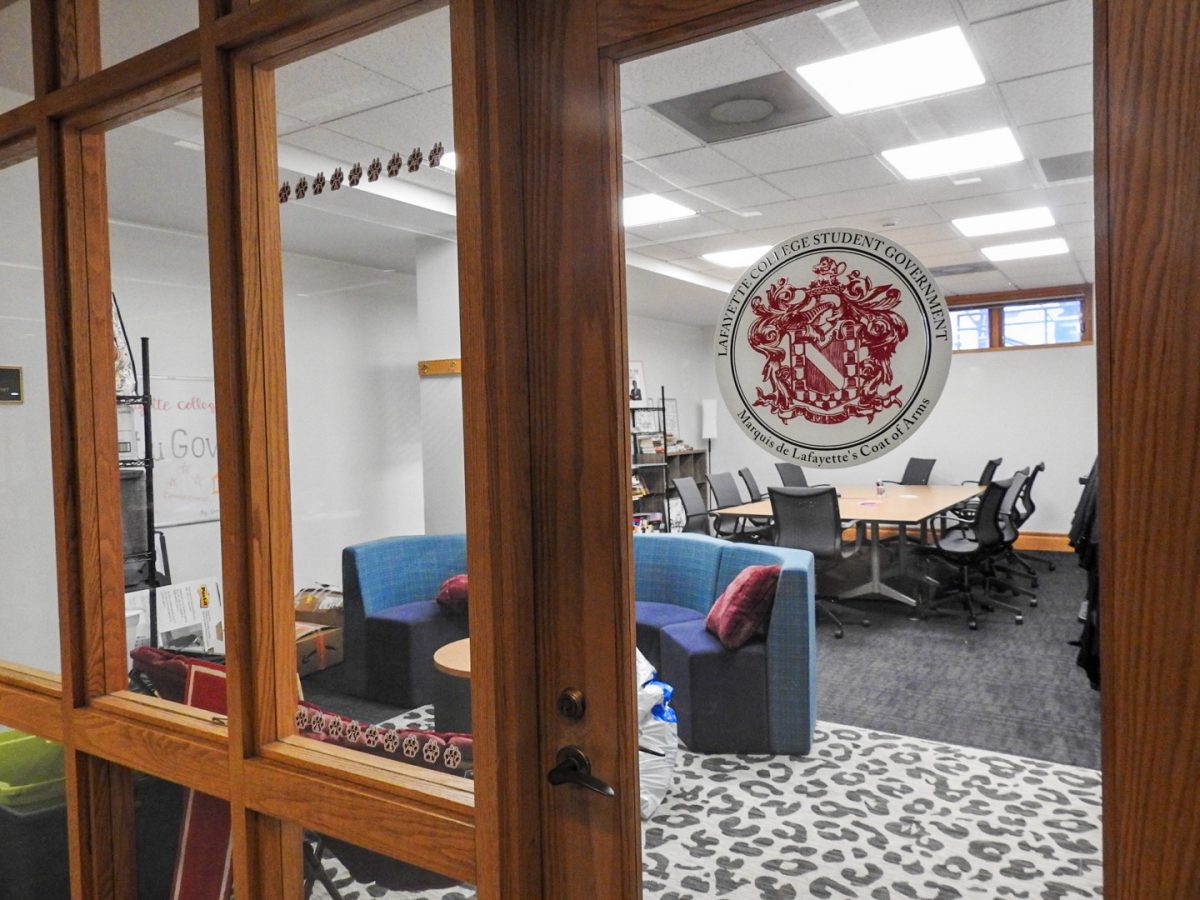
The college’s Vice President for Inclusion Ernest Jeffries, the Division of Inclusion he oversees and Student Government’s inclusivity officer and DEI committee positions have remained intact. In the past year, several of Lafayette’s peer institutions removed, reshuffled and rescheduled DEI-themed language, programs, positions and events.
“I do not feel in any way impeded in my work,” art professor Nestor Gil said. “I don’t feel any more exposed as a Latin American POC than I ever have here.”
Africana studies professor Rogers Orock also praised the college’s response, writing that he was “comforted” by college leadership being “consistent and firm in its commitment to diversity and to academic programs that are elsewhere under attack.”
“Our response has been to help reassure our community members in need of support that they are supported during these times,” Jeffries wrote in an email.
Religious studies professor Robin Rinehart said the college’s status as a private school may provide some protection from government oversight.
“We don’t feel any pressure in terms of what we can do within our curriculum and the classes that we can teach,” Rinehart said.
Lafayette, alongside 11 other schools, was subject to a federal investigation in November 2023, following a complaint alleging an incident of antisemitism on campus. The Department of Education prescribed a review of college policy and procedure on discrimination; the investigation has since been resolved.
Despite the resolution, the college was issued a federal antisemitism warning last March among 60 other higher education institutions. The warning referenced noncompliance with nondiscrimination policies and cited protections for Jewish students.
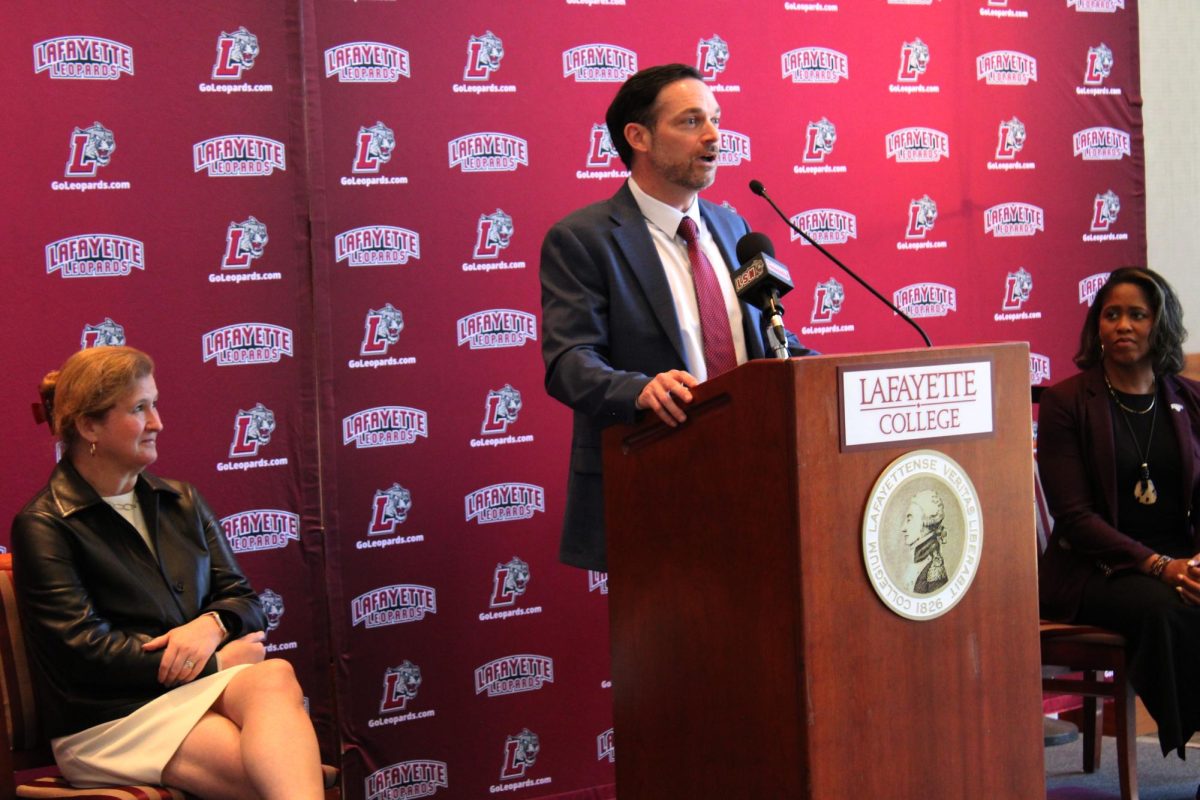
Meanwhile, college President Nicole Hurd has largely laid low since signing on to an April open letter rebuking federal intervention in higher education. All but two of Lafayette’s peer institutions, Claremont McKenna College and Washington and Lee University, also signed the letter.
“The college will always comply with law, the college also will always reflect its values,” Hurd said. “And I think we have done a very thoughtful job of making sure that we’re doing both of those things.”
The battlefield surrounding academic freedom has expanded significantly in the months since Hurd’s signature. Professors nationwide were suspended or fired for comments following the death of Turning Point USA founder Charlie Kirk’s assassination in September. Lafayette College’s American Association of University Professors chapter was revived last May following a Muhlenberg University professor’s controversial dismissal for alleged antisemitism in 2024.
Though anti-higher education efforts have largely faded from mainstream discourse, Immigration and Customs Enforcement has amped up its presence on college campuses in recent months. Columbia University senior Ellie Aghayeva was arrested in her college apartment last week after agents misrepresented themselves to bypass the university’s public safety officers.
An Augsburg University student was targeted by ICE agents in December, and students in Alabama, Utah, New York and Massachusetts were also detained off-campus in the past year.
A college webpage answering questions about immigration notes that those who see outside law enforcement on campus should not release information to them and should contact Public Safety.
Additionally, Lafayette appears to have remained financially healthy amidst an increasingly tenuous time for small liberal arts colleges. Over 60 private non-profit institutions have merged or closed since 2022, including 16 in the U.S. Middle Atlantic region. The Trump administration has extracted over $375 million in settlements from four universities to negiotate the restoration of federal funding to the insitutions.
Several professors and members of senior leadership declined or did not respond to requests for comment. Vice President for Student Life Sarah Moschenross wrote in an email that her division’s policies remain unchanged, affirming a “commitment to inclusive practice and inclusive initiatives.”
“We hear quite a few words about support,” Rinehart said. “I don’t know for sure what would happen if we were in a situation where we needed some targeted actions and support of people, but I hope that the administration and faculty will come together if that were the case.”